April 21, 2026

affiliate marketing

Affiliate programs to sell offer a lucrative opportunity for individuals and businesses to monetize their online presence. This guide dives deep into the world of affiliate marketing, covering everything from understanding different program structures to effectively promoting products and building a successful affiliate business.

From choosing the right programs to mastering promotional strategies, this detailed Artikel provides a roadmap for anyone looking to leverage affiliate marketing. Understanding the legal and ethical considerations is also crucial for long-term success.

Introduction to Affiliate Programs

Affiliate marketing is a performance-based marketing strategy where individuals or businesses (affiliates) promote other companies’ products or services. Affiliates earn a commission for every sale or lead generated through their unique referral links. This model fosters a collaborative ecosystem, empowering affiliates to leverage their reach and expertise to drive revenue for businesses.This system effectively connects businesses seeking to expand their market reach with individuals or groups possessing a dedicated audience.

The process hinges on the affiliate effectively directing their audience to the target product or service. This model rewards the affiliate’s efforts with a tangible return for their work.

Fundamental Mechanisms of Earning

Affiliate programs typically involve the creation of unique affiliate links that track referrals. When a customer clicks on these links and subsequently makes a purchase, the affiliate earns a commission. The commission structure varies depending on the program, often based on a percentage of the sale or a fixed amount.

Types of Affiliate Programs

Affiliate programs cater to diverse business models. Product-based programs focus on selling physical or digital goods, whereas service-based programs promote consulting, coaching, or other professional services. Financial services, such as investment platforms or insurance providers, also use affiliate marketing to attract new customers.

Key Components of a Typical Affiliate Program

Component Description Example
Program Structure The mechanics of the program, outlining the steps involved in joining, promoting, and earning commissions. A step-by-step process detailing the application, approval, and commission payment procedure.
Commission Structure The formula for calculating earnings, specifying how much the affiliate earns for each sale or action. A 10% commission on every product sale.
Requirements The conditions for joining and participating in the program. A minimum website traffic requirement or a certain level of social media engagement.

Choosing the Right Affiliate Program

Selecting the right affiliate program is crucial for maximizing your earning potential and aligning your efforts with successful campaigns. A poorly chosen program can waste your time and resources, while a well-chosen one can drive significant revenue. This section details the steps to identify suitable affiliate programs, the factors to consider, and a structured approach for evaluating different options.Choosing the right affiliate program is akin to selecting the perfect partner for your business.

You need a program that aligns with your target audience, your brand, and your marketing strategies. The wrong program can be detrimental to your sales efforts. Thorough research and careful evaluation are essential.

Identifying Suitable Affiliate Programs

Finding the right affiliate programs requires a strategic approach tailored to your specific product or niche. Start by identifying products or services that resonate with your target audience and align with your marketing efforts. Next, research potential affiliate programs that offer those products or services. This may involve exploring affiliate directories, online forums, or social media groups.

Factors to Consider When Selecting an Affiliate Program

Several key factors influence the success of an affiliate program. Commission rates, target audience, and program reputation are vital considerations.

  • Commission Rates: This is a primary factor. Analyze the commission structure to understand the payout potential and calculate potential earnings. Are commissions based on sales, leads, or clicks? The structure impacts the overall profitability of the partnership.
  • Target Audience: Ensure the program’s target audience aligns with yours. A program attracting a demographic not relevant to your audience will likely lead to low conversions.
  • Program Reputation: Research the program’s reputation. Check reviews and testimonials from other affiliates to assess the program’s reliability and support system. Look for evidence of consistent performance and a history of successful campaigns.
  • Program Benefits: Beyond the basic commission structure, examine the program’s support, resources, and promotional materials. Consider whether the program offers training, marketing tools, or exclusive deals.

Comparing Different Affiliate Program Providers

Comparing various affiliate program providers allows for informed decision-making. Each program will have its own set of features and benefits, influencing its suitability for your needs.

Evaluating Affiliate Programs: A Structured Approach

A systematic approach to evaluating affiliate programs ensures you make informed choices. This involves a detailed evaluation based on predefined criteria.

  1. Commission Structure: Analyze the commission structure, considering the payment schedule, payout thresholds, and any special bonuses or incentives. A high commission rate with a favorable payout structure is highly desirable.
  2. Target Audience: Assess the program’s target audience, checking if it overlaps with your target market and aligns with your marketing goals.
  3. Program Reputation: Research the program’s reputation, looking for positive feedback and testimonials from existing affiliates. A strong reputation signifies reliability and support.
  4. Program Benefits: Evaluate the program’s resources and support, examining whether it offers marketing materials, training, or promotional assistance. Comprehensive resources are beneficial.

Criteria for Evaluating Affiliate Programs

A structured set of criteria helps you compare and evaluate different affiliate programs objectively. Consider these factors when choosing:

  • Commission Structure: High commission rates and transparent payment schedules are key. A clear commission structure will maximize your income potential and make calculating earnings straightforward.
  • Target Audience Alignment: Ensure the program’s target audience matches your customer base to improve conversions and generate higher sales.
  • Program Reputation and Support: A program with a proven track record of success and reliable customer support will provide greater peace of mind and assist in handling potential issues.
  • Marketing Resources and Tools: Assess the quality of marketing materials, tools, and training resources provided to help your campaigns succeed.

Comparison Table of Affiliate Programs

This table provides a concise comparison of three different affiliate programs, highlighting key features.

Program A Program B Program C
Commission Structure: Tiered commission structure with increasing rates based on sales volume. Payouts bi-weekly. Commission Structure: Flat commission rate for all sales. Payouts monthly. Commission Structure: Commission based on leads generated, with a bonus for achieving certain targets. Payouts weekly.
Target Audience: Focuses on a niche audience interested in sustainable living. Target Audience: Broad range of consumers interested in home improvement. Target Audience: Individuals interested in digital marketing tools.
Program Benefits: Comprehensive marketing materials, training webinars, and dedicated support team. Program Benefits: Basic marketing materials, a small but helpful support team, and no training. Program Benefits: Exclusive access to a premium marketing toolkit, regular updates on best practices, and a dedicated support forum.

Promoting Affiliate Products Effectively

Effective affiliate marketing hinges on promoting products compellingly to a targeted audience. This involves more than just listing products; it necessitates crafting a compelling narrative that resonates with potential customers. A well-structured approach, combining high-quality content with strategic promotion, is crucial for maximizing affiliate earnings.

Crafting High-Quality Content

High-quality content is the cornerstone of successful affiliate marketing. It establishes credibility, builds trust with potential customers, and positions the affiliate as an authority. This content should provide valuable insights, address customer needs, and present affiliate products within a relevant context. In essence, it should aim to educate and inform, rather than simply advertise. For instance, a review of a gardening tool, paired with helpful tips on planting techniques, is more engaging than a simple product listing.

Attracting a Relevant Audience

Attracting a relevant audience is paramount for successful affiliate marketing. Understanding the target demographic’s interests, pain points, and online behavior is key. Multiple strategies can be employed to attract this audience, including social media marketing, email marketing, and content creation.

  • Social Media Marketing: Platforms like Instagram, TikTok, and Facebook offer diverse opportunities for engaging with potential customers. Utilizing relevant hashtags, creating visually appealing content, and running targeted ads can significantly expand reach and drive traffic to affiliate product pages. A successful campaign might include showcasing product use cases in short, engaging videos, or running contests to generate excitement.
  • Email Marketing: Building an email list allows for direct communication with potential customers. By providing valuable content, such as newsletters or exclusive offers, affiliates can nurture relationships and promote affiliate products effectively. A well-structured email campaign, with a clear call to action, can be instrumental in driving conversions.
  • Content Creation: Creating valuable content, such as blog posts, articles, or videos, can establish authority and attract a targeted audience. For example, a beauty blogger reviewing skincare products could attract a dedicated audience interested in skincare. This type of content, coupled with affiliate links, can generate significant revenue.

Successful Affiliate Marketing Campaign Examples

Several successful affiliate marketing campaigns demonstrate the power of a well-defined strategy. One example involves a fitness blogger who promotes workout equipment and nutritional supplements through engaging blog posts, social media content, and video tutorials. By creating content that aligns with her audience’s needs and interests, she has successfully built a strong brand and generated substantial affiliate revenue.

Another example is a tech reviewer who consistently publishes high-quality reviews of new gadgets and electronics, driving traffic to their affiliate links through a strong online presence and consistent posting schedule.

Tracking and Measuring Performance

Tracking and measuring affiliate marketing efforts is essential for optimization. This involves using analytics tools to monitor key metrics such as website traffic, conversion rates, and revenue generated from affiliate links. Analyzing these metrics allows affiliates to identify successful strategies and areas needing improvement. For example, tracking click-through rates on affiliate links can reveal which promotions are most effective.

Tools like Google Analytics provide valuable insights into website traffic, allowing affiliates to understand audience engagement and adjust their strategies accordingly.

Amazon Affiliate Program

The Amazon Associates program is one of the most popular and well-established affiliate programs globally. It allows individuals and businesses to promote Amazon products and earn a commission on sales generated through their unique affiliate links. Understanding its specifics, advantages, and challenges is crucial for anyone looking to leverage this platform for affiliate marketing.The Amazon Associates program operates on a commission-based model.

Affiliates earn a percentage of the sale price of eligible products purchased through their unique links. This commission structure is transparent and well-defined, making it easy for affiliates to understand their earnings potential. Crucially, it’s crucial to note that the program’s success depends heavily on effectively marketing and promoting the products to the right audience.

Specifics of the Amazon Associates Program

The Amazon Associates program offers a wide range of products across numerous categories. This broad selection allows affiliates to target various niches and customer interests. Moreover, Amazon provides comprehensive resources and tools to support affiliates, including marketing materials, tracking, and reporting features. These resources enable affiliates to effectively manage their campaigns and analyze their performance.

Benefits of Joining the Amazon Associates Program

  • Extensive Product Catalog: Amazon’s vast product selection allows affiliates to target a wide range of interests, maximizing potential earnings.
  • Established Platform: Amazon’s global reach and brand recognition significantly enhance the credibility of affiliate links.
  • Robust Tracking and Reporting Tools: Detailed tracking and reporting provide insights into affiliate performance, enabling data-driven optimization strategies.
  • Marketing Resources: Amazon offers various marketing materials, such as banners and product images, to support affiliate campaigns.
  • Transparent Commission Structure: The commission structure is clearly defined, making it easy for affiliates to understand their earnings potential.

Drawbacks of Joining the Amazon Associates Program

  • High Competition: The program’s popularity means a large number of affiliates compete for sales, demanding considerable effort for visibility.
  • Commission Rates: Commission rates vary significantly by product category and may be lower than some niche affiliate programs.
  • Amazon’s Policies: Strict adherence to Amazon’s policies and terms of service is essential to avoid account suspension or restrictions.
  • Dependence on Amazon: Affiliates are reliant on Amazon’s platform and policies, potentially impacting their control over marketing strategies.

Comparison to Other Affiliate Programs

Comparing Amazon Associates to other affiliate programs often reveals differences in commission rates, product selection, and support structures. While Amazon provides a large selection and established platform, other programs might focus on niche products with higher commission percentages. A careful analysis of individual needs and goals is critical in choosing the most suitable program.

Tips for Success with the Amazon Associates Program

  • Niche Down: Specializing in a particular niche allows for targeted marketing and a more engaged audience.
  • High-Quality Content: Creating valuable content relevant to the target audience is essential to drive traffic and conversions.
  • Effective Research: Optimizing content for relevant s increases visibility and organic traffic.
  • Building an Email List: Gathering email addresses enables direct communication with potential customers and fosters long-term relationships.
  • Engaging with the Community: Building relationships with other affiliates and customers can foster a supportive network.

Strategies to Increase Affiliate Sales Using Amazon

  • Focus on Long-Tail s: Targeting specific, longer search terms can attract highly motivated buyers interested in a particular product.
  • Content Marketing: Creating valuable content related to specific products can generate organic traffic and trust.
  • Product Reviews: Providing in-depth product reviews can establish credibility and encourage purchases.
  • Social Media Marketing: Leveraging social media platforms to promote products and engage with the audience can drive traffic and sales.
  • Strategic Use of Amazon’s Tools: Utilizing Amazon’s promotional tools and resources can significantly boost visibility and conversions.

Building an Affiliate Marketing Business
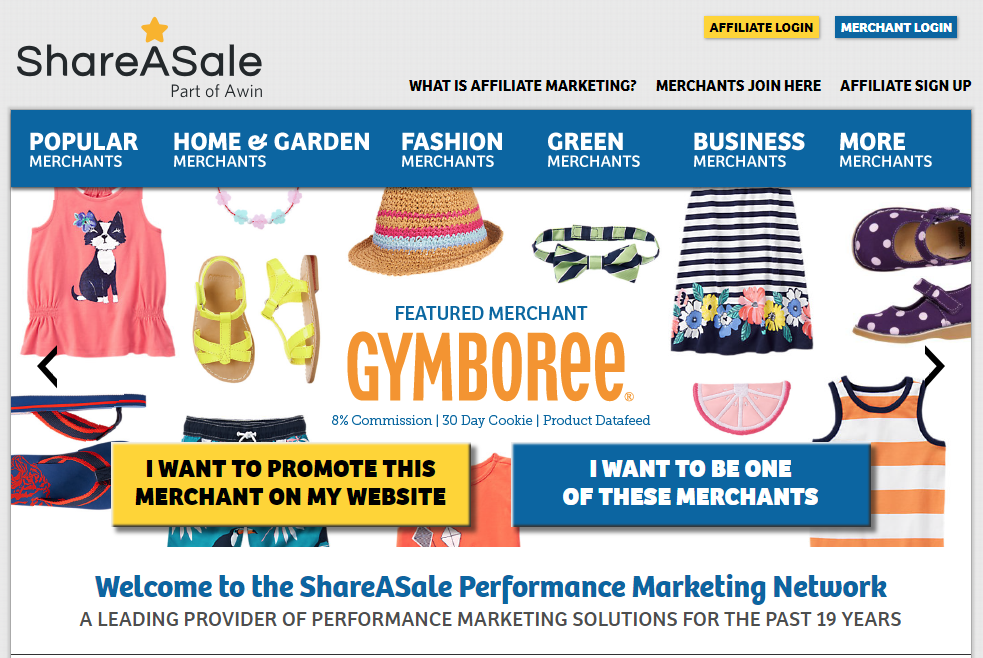
12 Best Affiliate Marketing Programs - Outbrain

Launching and maintaining a successful affiliate marketing business requires careful planning and execution. It’s not a get-rich-quick scheme, but rather a sustainable venture built on consistent effort and strategic approaches. Key to success is understanding the foundational steps and the continuous adaptation needed to thrive in this dynamic field.

Essential Steps for Launching an Affiliate Business

Building an affiliate marketing business involves several crucial steps. From establishing a strong online presence to selecting the right affiliate programs and crafting effective promotional strategies, each stage contributes to the overall success.

  • Market Research and Niche Selection: Thorough market research is vital for identifying profitable niches and understanding target audiences. Analyze competitor strategies, trending products, and consumer demand to pinpoint lucrative opportunities.
  • Choosing the Right Affiliate Programs: Select affiliate programs that align with your niche and target audience. Prioritize programs with attractive commission structures, high-quality products, and supportive resources.
  • Creating a Professional Website or Blog: A dedicated website or blog is essential for showcasing affiliate products and building a loyal audience. This platform allows for direct engagement with potential customers and establishes credibility.
  • Developing a Content Strategy: Creating valuable and engaging content is crucial for attracting and retaining visitors. This can include product reviews, comparisons, tutorials, or blog posts related to the affiliate products.
  • Building an Email List: Building an email list allows for direct communication with subscribers and nurturing leads. Use email marketing to promote affiliate products, share valuable content, and drive sales.
  • Promoting Affiliate Products Effectively: Employ a variety of promotional tactics, including social media marketing, search engine optimization (), and paid advertising. Consistent promotion across multiple channels is essential.
  • Tracking and Analyzing Performance: Monitor key metrics such as website traffic, conversions, and sales to identify areas for improvement and optimize strategies. Data analysis allows for informed decision-making and continuous improvement.

Building a Strong Online Presence

A robust online presence is paramount for affiliate success. It’s the foundation upon which trust and credibility are built, ultimately driving traffic and sales.

  • Website Optimization: A well-designed and user-friendly website is crucial for attracting and retaining visitors. Focus on site speed, mobile responsiveness, and intuitive navigation.
  • Search Engine Optimization (): Optimizing website content for relevant s helps improve search engine rankings, increasing organic traffic and visibility.
  • Social Media Engagement: Actively engaging with potential customers on social media platforms enhances brand awareness and drives traffic to your website. Use relevant hashtags and interactive content.
  • Building Relationships: Building relationships with influencers and other industry professionals can expand reach and introduce products to a wider audience.

Essential Marketing Strategies for Affiliate Promotion

Effective marketing strategies are key to maximizing affiliate program results. These strategies involve leveraging different channels and tactics to promote affiliate products effectively.

  • Content Marketing: Create high-quality, informative, and engaging content related to the affiliate products. This builds trust, establishes authority, and attracts organic traffic.
  • Social Media Marketing: Utilize social media platforms to promote affiliate products and interact with potential customers. This includes posting engaging content, running contests, and engaging in conversations.
  • Email Marketing: Develop and nurture an email list to promote affiliate products and build relationships with subscribers. Use email marketing for exclusive offers and valuable content.
  • Paid Advertising: Consider paid advertising strategies such as Google Ads or social media ads to reach a wider audience and drive targeted traffic to your website.

Flowchart for Starting an Affiliate Business

The process of starting an affiliate business involves several interconnected steps. The following flowchart illustrates the sequential nature of these actions.

[Insert a flowchart image here. The flowchart should visually represent the steps described in the previous sections, showcasing the order and connection between tasks. It should clearly show the steps of market research, niche selection, website creation, content creation, promotion, and tracking.]

Resources for Further Learning

Numerous resources are available for deepening your understanding of affiliate marketing.

  • Online Courses: Online courses from reputable platforms provide structured learning and valuable insights into affiliate marketing strategies.
  • Blogs and Articles: Numerous blogs and articles offer informative content and practical tips on various aspects of affiliate marketing.
  • Affiliate Marketing Communities: Engaging with affiliate marketing communities allows for networking, knowledge sharing, and the opportunity to learn from experienced marketers.

Legal and Ethical Considerations

Affiliate marketing, while offering lucrative opportunities, necessitates adherence to a strong ethical framework and legal regulations. Understanding these guidelines is crucial for building trust with potential customers and maintaining a sustainable and reputable business. Ethical practices not only enhance your reputation but also help avoid potential legal issues.Navigating the intricate web of affiliate marketing legalities and ethical standards is vital.

It requires a commitment to transparency, honesty, and a proactive approach to avoiding any misleading or deceptive tactics. This section explores the key aspects of ethical and legal considerations in affiliate marketing.

Legal Guidelines for Affiliate Marketing

Affiliate marketing operates within existing legal frameworks, including consumer protection laws and regulations related to advertising. Understanding these guidelines is crucial to avoid potential legal ramifications. Adherence to these laws is essential for a thriving and compliant affiliate marketing business. Specific regulations may vary by region, so researching local laws is important.

Importance of Disclosure and Transparency

Transparency is paramount in affiliate marketing. Full disclosure of any affiliate relationships is essential to maintain consumer trust and avoid accusations of deception. Openly declaring any financial incentives or relationships with affiliated products is crucial. This includes clearly stating when a product review is sponsored or influenced by affiliate commissions.

Avoiding Deceptive or Misleading Practices

Deceptive or misleading practices in affiliate marketing erode consumer trust and can lead to legal repercussions. Representing products inaccurately, concealing affiliate relationships, or creating false testimonials are examples of unethical behavior. Transparency and honesty are key to avoiding such practices.

Checklist for Ensuring Ethical Practices in Affiliate Marketing

Maintaining ethical standards in affiliate marketing is a continuous process. The following checklist serves as a guide for ensuring ethical practices:

  • Clearly Disclose Affiliate Relationships: Always disclose your affiliate relationships with products or services. This includes using clear and prominent language, such as “affiliate link” or “sponsored content.” This is crucial for transparency and building trust.
  • Provide Honest and Accurate Product Reviews: Focus on providing honest and unbiased reviews of products. Avoid exaggerating product benefits or downplaying potential drawbacks. Transparency and honesty build credibility and trust with customers.
  • Avoid Misleading or Deceptive Claims: Refrain from making any misleading or deceptive claims about products or services. Be factual and avoid promoting products that are not genuinely useful or appropriate for the audience.
  • Respect Intellectual Property Rights: Avoid infringing on any intellectual property rights associated with products or services. Be aware of copyright and trademark regulations to maintain compliance.
  • Be Aware of Local Regulations: Understand and comply with all local regulations and laws regarding advertising, consumer protection, and affiliate marketing.

Closing Summary

In conclusion, affiliate programs offer a powerful pathway to online income. By carefully selecting programs, effectively promoting products, and adhering to ethical guidelines, you can build a thriving affiliate marketing business. This guide has provided a comprehensive overview of the key aspects, enabling you to embark on this exciting journey with confidence.

Question Bank

What are the typical commission structures in affiliate programs?

Commission structures vary greatly. They can be a percentage of the sale, a fixed amount per sale, or a combination of both. Some programs even offer tiered commissions based on sales volume.

How do I choose the right affiliate programs for my niche?

Consider factors like commission rates, target audience alignment, program reputation, and the overall fit with your website or social media presence. Thorough research and careful evaluation are essential.

What are some common mistakes to avoid when promoting affiliate products?

Avoid misleading or deceptive practices, prioritize high-quality content, and maintain transparency regarding your affiliate relationships. Building trust with your audience is paramount.

What are the legal and ethical considerations for affiliate marketing?

Full disclosure of affiliate relationships is essential. Misleading claims or hidden commissions can lead to serious consequences. Adhering to ethical guidelines is critical for building a reputable affiliate business.


Fashion affiliate programs are booming in the USA, offering exciting opportunities for influencers and bloggers to monetize their passion for fashion. This comprehensive guide delves into the specifics of fashion affiliate programs, focusing on H&M’s offerings. We’ll explore various program types, commission structures, and key strategies for success.

Understanding the nuances of affiliate marketing, particularly within the fashion industry, is crucial. This detailed look at H&M’s affiliate program, along with comparisons to other major fashion brands, provides a clear picture of the current market landscape.

Overview of Fashion Affiliate Programs in the USA

Fashion affiliate programs in the USA connect online retailers and influencers with potential customers. These programs offer a mutually beneficial relationship, enabling influencers to earn income by promoting products and brands, while retailers benefit from expanded reach and increased sales. The programs are designed to be a win-win situation.Fashion affiliate programs in the USA are highly diverse, encompassing a wide range of brands and product categories.

They cater to various needs and preferences, making it possible for both established and emerging influencers to find suitable opportunities.

Types of Fashion Affiliate Programs

Various types of fashion affiliate programs are available, each tailored to specific needs and goals. These include programs focused on specific brands, general fashion retailers, and specialized niches within the fashion industry, like plus-size apparel or sustainable fashion. This allows influencers to target their audience effectively and promote products aligning with their expertise and interests.

Key Benefits of Joining a Fashion Affiliate Program

Joining a fashion affiliate program offers numerous advantages for influencers. They can earn income through commissions, often based on sales generated from their recommendations. Furthermore, affiliate programs often provide valuable marketing resources, enabling influencers to build their online presence and expand their audience. This can also lead to long-term brand partnerships and collaborations, further enhancing their career prospects.

Commission Structures in Fashion Affiliate Programs

Commission structures vary significantly among fashion affiliate programs. The method of payment for sales generated from referrals influences the program’s effectiveness and profitability. Understanding the different structures can help influencers make informed decisions about which programs to join.

Comparison of Commission Structures

Program Type Commission Structure Typical Commission Rate
Example Program 1 (General Fashion Retailer) Percentage-based commission on sales 5-15%
Example Program 2 (Luxury Brand) Tiered commission structure (based on sales volume) 3-10%
Example Program 3 (Niche Fashion Brand) Commission per click or impression, combined with sales commission $0.50-$5 per click, 5-10% on sales

Example Program 1, a general fashion retailer, offers a straightforward percentage-based commission. This means that for every sale generated through the influencer’s unique link, a predetermined percentage is credited to the influencer’s account. Example Program 2, a luxury brand, often implements a tiered commission structure. This approach incentivizes influencers to achieve specific sales targets or promote a higher volume of items by offering escalating commission rates as their sales volume increases. Example Program 3, focused on a niche brand, often combines a commission per click or impression model with a sales commission. This structure recognizes the value of initial engagement alongside conversions.

H&M Affiliate Program in the USA

21 of the Best Fashion Affiliate Programs

H&M, a globally recognized fashion retailer, does not currently have a publicly available affiliate program specifically targeted at the US market. While they have affiliate programs in other regions, information about such a program in the USA is not readily accessible. This absence of a direct US program necessitates a look at alternative strategies for those looking to promote H&M products.

Program Availability

H&M’s lack of a dedicated US affiliate program means that partners seeking to generate revenue through H&M promotions need to explore alternative channels, such as social media marketing or collaborations with influencers. These methods may not be structured affiliate programs, but they provide opportunities for generating commissions or incentives related to driving traffic to the H&M website.

Alternative Promotion Strategies

To leverage H&M products, consider these strategies:

  • Influencer Marketing: Partnering with relevant influencers in the fashion and lifestyle space can generate substantial traffic and visibility for H&M products. Influencers often have established audiences and can drive significant sales through their social media posts, reviews, and recommendations.
  • Social Media Marketing: Directly promoting H&M products on platforms like Instagram, TikTok, or Facebook can expose them to a wide audience. This approach often requires creating engaging content that highlights the products’ unique features and style.
  • Content Marketing: Creating informative blog posts, articles, or videos focused on fashion trends, style tips, or specific H&M product lines can draw in interested consumers and indirectly promote H&M products.
  • Email Marketing: Building an email list through a newsletter or contests, and strategically promoting H&M products within these emails can foster direct customer engagement and sales.

Potential Benefits and Drawbacks

While a direct H&M affiliate program is unavailable in the US, alternative methods can offer advantages and disadvantages. These methods can lead to significant engagement and sales if effectively implemented, but require significant effort and potentially upfront investment in resources like social media marketing campaigns or influencer partnerships.

Requirements for Success

Successful promotion of H&M products through non-affiliate channels hinges on several key factors:

  • Understanding the Target Audience: Identifying the specific demographics and interests of H&M’s customer base in the US is critical for tailoring promotional strategies to maximize engagement and conversion.
  • Crafting Compelling Content: High-quality, engaging content, such as visually appealing product photography and persuasive descriptions, is essential for attracting customers and driving sales.
  • Building a Strong Online Presence: A well-designed website or social media profiles that showcase H&M products effectively is necessary to create a lasting impression on potential customers.
  • Maintaining Transparency and Authenticity: Maintaining honesty and transparency in promotional efforts, avoiding misleading claims or endorsements, is critical for building trust and maintaining a positive reputation.

Illustrative Commission Structure (Hypothetical)

A hypothetical commission structure for a potential H&M affiliate program in the USA is presented below. It’s important to note this is a hypothetical example as no official program currently exists.

Product Category Commission Rate
Women’s Clothing 8%
Men’s Clothing 8%
Accessories 10%

Comparison with Other Fashion Brands

A comparative analysis of H&M’s affiliate program with those of other major fashion retailers in the USA reveals valuable insights into the competitive landscape. Understanding the similarities and differences in program structures and benefits, along with commission rates and payment terms, allows affiliates to make informed decisions about which partnerships best align with their strategies. This analysis also helps to identify overall market trends within fashion affiliate programs.

Comparison of Commission Structures

Different fashion brands employ various commission structures. Some programs utilize a straightforward percentage-based system, while others offer tiered commissions, potentially rewarding higher sales volumes with increased percentages. A percentage-based system provides a consistent return for each sale, while tiered commissions offer incentives for surpassing sales targets. The choice of commission structure often depends on the brand’s marketing objectives and the affiliate’s sales potential.

Analysis of Minimum Sales Requirements

Minimum sales requirements vary significantly across different affiliate programs. These thresholds act as entry points, influencing which affiliates can participate and the potential return on investment for both parties. Some programs demand substantial sales volumes, while others set more attainable targets. The minimum sales requirement is often correlated with the expected level of effort and commitment from the affiliate.

Evaluation of Payment Terms

Payment terms play a crucial role in the affiliate experience. The frequency and method of payment are critical considerations, as are the processing times for payouts. Understanding these aspects can significantly impact an affiliate’s cash flow and financial planning. Some programs offer weekly payments, while others provide monthly or quarterly payouts. The speed of processing and the overall payment structure should be carefully considered.

Market Trends in Fashion Affiliate Programs

Market trends in fashion affiliate programs show a movement towards more flexible and performance-based models. The emphasis is on transparent commission structures, competitive rates, and timely payments. This evolution reflects a growing recognition of the importance of strong affiliate relationships and a desire to incentivize high-performing partners. Examples include the increasing adoption of tiered commission structures and the shift towards digital payment platforms.

Table Comparing Multiple Fashion Brand Affiliate Programs

Brand Commission Structure Minimum Sales Requirement
Example Brand 1 Percentage-based (e.g., 5% on all sales) $1,000 in monthly sales
Example Brand 2 Tiered commission (e.g., 3% for first $500, 5% for next $500, 7% for sales above $1000) $500 in monthly sales
Example Brand 3 Percentage-based (e.g., 8% on all sales) $2,000 in monthly sales

This table provides a simplified comparison of different affiliate programs. Variations in specific commission rates, minimum sales requirements, and other terms and conditions are likely. It’s crucial to review the detailed terms and conditions of each program for the most accurate information.

Amazon Affiliate Program

The Amazon Associates Program, a prominent affiliate marketing platform, offers a unique opportunity for individuals and businesses to generate revenue by promoting Amazon products. This program’s vast product selection and established customer base make it a significant player in the affiliate marketing landscape. Its structure differs significantly from traditional fashion affiliate programs, emphasizing a broader range of products rather than a singular brand focus.The Amazon affiliate program, unlike fashion-specific programs, doesn’t limit its reach to a single brand or category.

This expansive selection caters to a wide array of interests, which can be both a strength and a challenge for affiliates. A dedicated strategy is often needed to effectively target specific niches within Amazon’s vast marketplace.

Structure of the Amazon Affiliate Program

The Amazon Associates Program operates on a straightforward referral-based model. Affiliates earn commissions by directing traffic to Amazon products, with sales generated through their unique affiliate links. The program’s infrastructure is robust, managing the tracking and payment processes for both affiliates and Amazon.

Comparison to Fashion Affiliate Programs

Unlike fashion affiliate programs, which typically focus on driving sales for specific clothing brands, the Amazon Associates Program encompasses a much wider array of product categories. This broader reach necessitates a different approach to affiliate marketing, emphasizing product research and niche targeting within the vast Amazon ecosystem. For example, an affiliate focusing on sustainable fashion might find success promoting eco-friendly products from multiple Amazon brands rather than exclusively focusing on one fashion retailer.

Benefits of the Amazon Affiliate Program

The Amazon Associates Program offers numerous advantages, including:

  • Extensive Product Selection: The vast array of products on Amazon allows affiliates to cater to diverse interests and customer needs. This can lead to a more varied and engaging content strategy.
  • Established Customer Base: Amazon’s massive customer base provides a ready market for affiliates to reach. This built-in audience is a key benefit for attracting potential buyers.
  • Established Platform: Amazon’s secure and user-friendly platform facilitates the process of affiliate marketing. The platform’s robust infrastructure is a significant advantage.

Drawbacks of the Amazon Affiliate Program

While attractive, the program also presents challenges:

  • High Competition: The vast number of affiliates vying for commissions creates a highly competitive environment. Standing out and attracting traffic can be a major hurdle.
  • Commission Structure: Commissions vary significantly across product categories. This requires affiliates to research and identify product niches with competitive commission rates.
  • Maintaining Focus: The breadth of product categories can make it challenging to maintain a focused and engaging content strategy for a specific audience.

Commission Structure

Amazon’s commission structure varies by product category. This necessitates research and understanding of commission rates to optimize earning potential. The program’s tiered approach to commission structure allows affiliates to target specific products or categories based on potential revenue.

Commission rates are often dependent on product category, not solely on the affiliate’s performance.

Successful Strategies

  • Niche Targeting: Instead of trying to promote everything, focusing on a specific niche within Amazon’s vast selection can significantly improve conversion rates. For example, focusing on baby products or tech accessories can create a more targeted audience.
  • High-Quality Content: Creating informative and engaging content that highlights the value of products to the target audience is crucial for driving conversions. Detailed product reviews and comparisons can assist in this regard.
  • Effective Marketing Strategies: Utilizing social media, email marketing, and other digital marketing channels to drive traffic to affiliate links is crucial. A robust marketing strategy can be vital for success.

Common Mistakes to Avoid

  • Poor Product Research: Not thoroughly researching commission rates and potential profitability for different product categories is a significant mistake. Affiliates should understand the potential returns for different products.
  • Inadequate Promotion: Failing to promote affiliate links effectively through engaging content and marketing strategies can limit conversion rates.
  • Ignoring Customer Needs: Not understanding the needs and interests of the target audience can lead to low conversion rates. Researching customer preferences and tailoring content accordingly is crucial.

Commission Rates Comparison

Product Category Commission Rate
Electronics 4%
Books 8%
Home Improvement 6%

Note: These are example commission rates and may vary.

Best Practices for Fashion Affiliate Marketing

Affiliate marketing in the fashion industry presents unique opportunities for both influencers and brands. Successful campaigns rely on a deep understanding of consumer preferences, effective promotional strategies, and a commitment to building lasting relationships. This section Artikels key best practices for maximizing your impact within this dynamic market.Effective affiliate marketing for fashion hinges on understanding the target audience and tailoring strategies accordingly.

By recognizing the specific needs and desires of potential customers, brands and influencers can craft campaigns that resonate deeply.

Understanding Your Target Audience

Fashion is highly diverse, with distinct segments based on age, style preferences, and budget considerations. Recognizing these segments is crucial for crafting targeted campaigns. Thorough research into your target audience will allow for a more effective and impactful campaign. For example, a campaign promoting plus-size clothing would be ineffective if directed primarily at a younger, slimmer demographic. Understanding your niche is paramount.

Crafting Compelling Content

High-quality content is the cornerstone of successful affiliate marketing. Creating engaging visuals and compelling descriptions that highlight the fashion item’s features and benefits is essential. For instance, detailed product photography showcasing the garment’s fit and texture will significantly improve conversion rates. Reviews, style guides, and personal stories further build trust and establish credibility.

Promoting Fashion Products Effectively

Successful promotion requires a multi-faceted approach. Integrating social media campaigns, email marketing, and blog posts, tailored to the platform, will maximize reach and engagement. For instance, showcasing outfits featuring the promoted product on Instagram can be highly effective.

Driving Traffic to Affiliate Links

Driving traffic to affiliate links is vital for generating sales. Strategically placing links within blog posts, social media posts, and email campaigns is key. For example, including affiliate links in articles about current fashion trends or “must-have” items will drive more conversions.

Building a Loyal Audience

Building a loyal audience is essential for long-term success. Authenticity, consistency, and engaging content are key. Providing valuable insights, advice, and personal experiences related to fashion will establish you as a trusted source. Regularly interacting with your audience through comments and direct messages fosters a loyal following.

Optimizing Affiliate Links for Conversions

Optimizing affiliate links for conversions requires careful consideration of the user experience. Clearly displaying the link and ensuring seamless navigation are vital. Use compelling calls to action that encourage purchases. For instance, phrases like “Shop Now” or “Limited-Time Offer” can significantly increase click-through rates.

Tips for Optimizing Affiliate Marketing

  • Thorough Research: Identifying relevant s allows for targeted content creation, improving search engine visibility. This helps your target audience find your content and affiliate links.
  • Track and Analyze Results: Monitoring campaign performance with tools like Google Analytics provides valuable insights into what works and what doesn’t. This enables data-driven adjustments to maximize results.
  • Collaborate with Influencers: Partnering with relevant fashion influencers can broaden reach and credibility. For example, a partnership with a plus-size fashion influencer will attract a more diverse audience to the affiliate link.
  • Use High-Quality Visuals: Invest in professional photography or videography to showcase products in the best possible light. High-quality visuals increase engagement and appeal.
  • Engage with Your Audience: Regularly interact with followers to build trust and establish your authority in the fashion space. This will build rapport and loyalty.
  • Maintain a Consistent Brand Voice: Consistency in tone, style, and messaging builds brand recognition and trust. Maintaining a clear brand identity across all platforms helps your audience connect with you.

Legal Considerations and Regulations

Navigating the legal landscape of affiliate marketing is crucial for success, particularly in the competitive fashion industry. Understanding the rules and regulations surrounding affiliate programs in the USA helps ensure compliance and avoid potential legal issues. This section Artikels key legal considerations, including disclosure requirements, FTC guidelines, and other relevant regulations.Understanding the legal framework is paramount for any fashion affiliate marketer in the USA.

Failure to comply with regulations can lead to penalties, damage reputation, and ultimately hinder business growth.

Disclosure Requirements

Affiliate marketing relies heavily on transparency. Clear disclosure of affiliate relationships is essential. This means explicitly identifying any commercial relationship between the affiliate and the fashion brand being promoted. This often involves using clear and unambiguous language, such as “affiliate link” or “sponsored content,” alongside the affiliate link. Failure to clearly disclose the affiliate relationship can lead to penalties.

For example, a review of a clothing item that includes an affiliate link but doesn’t clearly state it as such could be considered deceptive advertising.

FTC Guidelines for Endorsements

The Federal Trade Commission (FTC) sets the standard for truthful and non-deceptive advertising. In the context of affiliate marketing, this translates to adhering to guidelines regarding endorsements. Affiliate marketers must not make misleading or unsubstantiated claims about the fashion products they promote. They must also avoid creating false or misleading impressions about the products’ quality, effectiveness, or popularity.

A significant aspect is the use of testimonials. If an affiliate is using a testimonial, it must be authentic and reflect a genuine user experience. Any embellishment or misrepresentation could result in violations of FTC guidelines.

Compliance Requirements

Several compliance requirements exist within the framework of affiliate marketing. These requirements extend beyond just disclosure. Marketers must ensure that any claims made about the products are truthful and backed by evidence. Representations about product quality, performance, or benefits must be accurate and supported by facts. This also extends to avoiding any material misrepresentation.

  • Truthful Claims: Affiliates must ensure any claims made about the fashion products are truthful and backed by evidence.
  • Authenticity: Any testimonials or endorsements used must be genuine and represent a real user experience.
  • No Material Misrepresentation: Avoid any significant misrepresentation of products or their benefits.

Disclosure Requirements for Affiliate Links

Clear disclosure of affiliate links is paramount. Consumers need to understand when they are interacting with content that is influenced by commercial relationships. This involves prominently displaying notices about affiliate links. Websites should implement strategies to effectively identify affiliate links, such as a small “(affiliate)” tag or a clear disclosure within the content itself. The FTC’s guidelines emphasize clear and unambiguous language.

Key Legal Considerations

Consideration Details
Disclosure Requirements Must clearly disclose affiliate relationships, using explicit language like “affiliate link” or “sponsored content” alongside the affiliate link.
FTC Guidelines Adhere to FTC guidelines for endorsements, ensuring claims are truthful, not misleading, and substantiated. Authenticity of testimonials is critical.

Closing Notes

In conclusion, navigating fashion affiliate programs, especially H&M’s, requires a strategic approach. Understanding commission structures, comparing options, and mastering best practices are key to maximizing earnings and building a sustainable fashion-focused affiliate business. The potential is there for those who are prepared to engage with the industry and leverage the opportunities available.

FAQ Corner

What are the typical commission rates for H&M affiliate programs?

H&M’s commission rates vary by product category. Look for specific details on their affiliate program page. The rates often range from 8% to 10%.

What are the minimum sales requirements for H&M?

H&M’s minimum sales requirements, if any, are not detailed in the Artikel. It’s essential to check the specific program’s requirements on their affiliate program page.

How do I apply for an H&M affiliate program?

The application process is not described in the Artikel. Visit H&M’s official website to find their affiliate program application page.

What are the legal considerations for fashion affiliate programs in the USA?

Legal compliance is critical. Adhering to FTC guidelines for endorsements and clearly disclosing affiliate relationships is essential.

Craft affiliate programs in Australia offer a fantastic opportunity for artisans to expand their reach and boost their sales online. This guide dives deep into the world of affiliate marketing, exploring the unique landscape of craft businesses in Australia and providing actionable strategies for success.

From understanding the different types of affiliate programs to navigating the legal considerations, this resource equips crafters with the knowledge they need to thrive in the competitive online market. We’ll compare Australian craft marketplaces with general affiliate programs, providing insights into the best strategies for each.

Introduction to Craft Affiliate Programs in Australia

Affiliate marketing is a popular method for Australian craft businesses to expand their reach and generate revenue. It leverages the power of online communities and platforms to connect with potential customers and drive sales. Craft affiliate programs in Australia function by partnering with other websites, blogs, or social media accounts to promote products.This approach allows Australian crafters to tap into pre-existing audiences, increasing brand visibility and boosting sales without the need for significant upfront marketing investment.

By joining an affiliate program, a craft business can strategically collaborate with individuals who are already engaged with their target market, leading to increased exposure and potential conversions.

Overview of Craft Affiliate Programs in Australia

Craft affiliate programs in Australia are designed to empower Australian craft businesses to grow their online presence and expand their market reach. These programs offer a mutually beneficial relationship between the craft business and the affiliate, driving sales and generating revenue for both parties. The structure often involves the affiliate promoting the craft business’s products on their own platforms, earning a commission on each sale generated through their unique referral link.

Benefits of Participating in Affiliate Programs for Australian Crafters

Participating in affiliate programs presents several advantages for Australian crafters. Increased visibility and brand awareness are significant benefits, as affiliate promotion can reach new customer segments. Furthermore, the programs allow for cost-effective marketing, as crafters don’t bear the full burden of marketing campaigns. Finally, affiliate programs often offer valuable insights into customer behaviour and preferences. This data can be instrumental in refining marketing strategies and improving product offerings.

Types of Craft Affiliate Programs in Australia

A variety of affiliate programs exist, catering to different business models and needs. Each program structure offers varying levels of commission and performance requirements. Understanding these distinctions is crucial for Australian crafters to choose the program that best aligns with their business goals.

Type of Program Description Example
Commission-Based Affiliates earn a fixed percentage of each sale generated through their unique referral link. An affiliate earns 10% of each sale made through their link to a pottery business.
Performance-Based Affiliates earn a commission based on specific actions, such as lead generation, sign-ups, or sales. An affiliate earns $5 for each new customer sign-up they refer to a jewellery business.
Hybrid A combination of commission-based and performance-based elements. An affiliate earns a 5% commission on each sale and an additional $10 for every new customer who subscribes to the business’s newsletter.

Key Platforms for Craft Affiliate Programs in Australia

Australian craft businesses can significantly expand their reach and generate extra income through strategic partnerships with online marketplaces. Affiliate programs, where businesses promote each other’s products, offer a powerful way to tap into a wider customer base and drive sales. These programs often involve a commission structure, providing an incentive for both the affiliate (the promoting business) and the merchant (the business being promoted).Understanding the key platforms for craft affiliate programs is crucial for Australian craft businesses looking to leverage these opportunities.

This involves knowing which marketplaces are popular, their specific affiliate program structures, and the requirements for participation. The information presented here provides insight into the most popular options, highlighting their benefits and potential challenges.

Top Australian Craft Marketplaces with Affiliate Programs

Several prominent online marketplaces in Australia offer affiliate programs, enabling craft businesses to connect with a wider customer base. Identifying the right platforms for participation is essential for maximizing the program’s effectiveness.

Marketplace Affiliate Program Options Advantages Disadvantages Requirements
Etsy Yes, structured affiliate program Large and active community of craft enthusiasts, established platform, potential for high traffic. Competition can be intense, reliance on Etsy’s algorithms for visibility, commissions may be lower than other platforms. Generally requires a well-established Etsy shop with positive reviews and a proven track record of sales. Must meet Etsy’s terms of service.
Australian Made Potentially available, but information may be limited. Focus on Australian-made products, builds brand recognition, reaches Australian consumers interested in supporting local businesses. Fewer affiliate options, program details may not be clearly communicated, less customer traffic compared to larger platforms. Contact Australian Made directly to inquire about their affiliate program details.
Gumtree Likely no direct affiliate program. High visibility for local craft businesses, exposure to potential buyers in a specific geographic area. Limited exposure to a wider Australian market, may be less suitable for crafts requiring high marketing spend. Not typically structured for affiliate programs. Focus is more on direct sales.
Facebook Marketplace Indirect participation through community groups and individual listings. Strong local reach, potentially low barrier to entry, opportunity to connect directly with customers. Less structured approach than dedicated marketplaces, difficulty in tracking sales and commissions. Requires active participation in relevant craft groups and consistent posting of high-quality listings.
Craft-focused online stores (e.g., a niche craft retailer) Potentially available, but highly dependent on the retailer. Targeted customer base, potential for direct engagement with craft enthusiasts, often smaller commission structures. Smaller potential audience, dependence on the retailer’s success. Contact the craft store directly to inquire about affiliate program details.

Advantages and Disadvantages of Joining Affiliate Programs

Joining an affiliate program offers several benefits for craft businesses, but also involves potential drawbacks. A clear understanding of these pros and cons is vital for informed decision-making.

  • Increased visibility and brand awareness: Affiliate programs expose your products to a wider audience, potentially boosting brand recognition.
  • Driving targeted traffic to your website: By partnering with relevant platforms, you can direct customers interested in your craft products to your website, leading to increased sales and conversions.
  • Cost-effective marketing strategy: Affiliate programs are often a less expensive marketing approach compared to other advertising options.
  • Potential for reduced customer acquisition costs: Through referrals and commissions, you can potentially reduce the cost of acquiring new customers.
  • Risk of diluted brand identity: If not carefully managed, your brand may appear less distinct, potentially blending into other affiliate brands.
  • Competition from other affiliates: If there’s a high volume of affiliates on a platform, your products may face competition from others, making it more difficult to stand out.
  • Difficulty in tracking sales and commissions: Some platforms may have less transparent systems for tracking affiliate performance and payments.
  • Dependence on other platforms: Your business’s success may become more reliant on the platform’s performance and policies.

Requirements for Participating in Affiliate Programs

Specific requirements for participating in affiliate programs vary depending on the platform. Businesses need to carefully assess these requirements to ensure successful participation.

  • Shop Requirements: Many platforms require a well-established online store with a good reputation, product listings, and customer reviews.
  • Account Requirements: You will need a functional and active account on the platform to participate in the program.
  • Marketing Requirements: You may be required to develop a marketing strategy or follow specific guidelines to promote your products successfully.
  • Legal Requirements: Familiarize yourself with the platform’s terms of service and any legal requirements.

Comparing Craft Affiliate Programs to Amazon Affiliate

Navigating the affiliate marketing landscape in Australia can be complex. Understanding the nuances between general affiliate programs like Amazon and craft-specific programs is crucial for crafting a successful strategy. This comparison highlights the key differences in structure, benefits, and potential reach, allowing you to tailor your approach to your specific craft business.A general affiliate program like Amazon offers a vast product catalog, potentially reaching a wider audience.

However, craft-specific programs often provide more focused reach and specialized benefits for artisans. Choosing the right platform depends heavily on your craft niche and target market.

Commission Structure and Payout Methods

The commission structure and payout methods are fundamental differences between general and craft-specific programs. General programs often use a tiered system, where commission rates vary based on the product’s value. Craft-specific programs, however, may offer fixed rates or tiered structures, specifically tailored to the craft industry. This often results in more predictable earnings for artisans.

Feature Amazon Affiliate Craft-Specific Affiliate
Commission Structure Tiered, product-dependent Fixed or tiered, craft-specific
Payout Method Usually based on sales thresholds, monthly/quarterly Can be based on sales thresholds, monthly/quarterly, or even on a per-item basis
Average Commission Rate Can be quite low for many products, potentially 2-5% Often higher, possibly ranging from 5-15%

Potential Audience Reach

The audience reach is significantly different. Amazon’s vast catalog and global reach provide exposure to a broad audience. Craft-specific programs, however, often focus on a niche audience interested in handmade or artisanal goods. For example, a program targeting Australian pottery enthusiasts will likely attract a more targeted audience than Amazon.

Examples of Success

Different craft businesses can find success with each program. A small pottery business focusing on decorative pieces might benefit from a craft-specific program to reach potential customers seeking unique handmade items. Conversely, a larger business offering a range of handmade items might use Amazon to tap into its wider market. The success of each strategy depends heavily on the specific craft, product, and target market.

Strategies for Success with Craft Affiliate Programs

Crafting a successful affiliate marketing strategy for Australian craft businesses requires a nuanced approach that considers the local market and consumer preferences. This involves more than simply promoting products; it’s about building a community around your chosen crafts and showcasing the unique value proposition of each item. Effective strategies will foster trust, build relationships, and ultimately drive conversions.

Marketing Strategies Specific to Australian Craft

Understanding the Australian craft market is crucial for developing effective strategies. Australian consumers often appreciate handcrafted items, supporting local businesses and appreciating unique designs. Therefore, marketing efforts should highlight these aspects, showcasing the craftsmanship and story behind each product. Emphasize the ethical sourcing of materials and the sustainable practices used in the creation process.

Creating Engaging Content for Craft Affiliate Links

Content is key to attracting and engaging potential customers. High-quality images and videos are vital, showcasing the craft’s details and the artistry involved. Crafting compelling product descriptions is equally important, going beyond basic features to highlight the emotional connection and personal stories behind the items. Incorporating customer testimonials and reviews further builds trust and social proof. Authenticity and genuine enthusiasm for the craft will resonate with the target audience.

Increasing Traffic and Conversions for Affiliate Products

Driving traffic to your affiliate links is essential. Utilizing social media platforms popular in Australia, such as Instagram and Facebook, can be highly effective. Running targeted ads, collaborating with relevant influencers, and participating in online craft communities can significantly increase visibility. Furthermore, optimizing your website for search engines () and crafting engaging blog posts, tutorials, and articles related to the craft will attract organic traffic.

Consider offering exclusive content or discounts to subscribers to incentivize engagement and conversions.

Content Formats for Promoting Affiliate Links

A well-rounded approach across various content formats maximizes reach and engagement. This table illustrates the variety of formats and their suitability for promoting affiliate links:

Content Format Description Example Affiliate Link Placement
Blog Posts Detailed articles about a specific craft, techniques, or tutorials. “Beginner’s Guide to Polymer Clay Jewelry Making” Within the article’s body, ideally near relevant product descriptions.
Social Media Posts (Instagram, Facebook) Visually engaging posts showcasing the craft and products. A photo or short video of a finished piece, with a caption describing it and linking to the product page. In the caption or within a link in bio.
Pinterest Boards Visually appealing boards showcasing related products and styles. “Australian-Made Wooden Toys” Using affiliate links for individual product pins.
YouTube Tutorials Step-by-step demonstrations of crafts, featuring relevant products. “How to Create a Personalized Wooden Coasters” In the video description and using affiliate links in the video.
Email Newsletters Regularly sent emails promoting new products, sales, and exclusive content. A curated list of featured items. Direct links to the products in the email.

Legal and Ethical Considerations

Affiliate marketing, while offering lucrative opportunities, necessitates careful adherence to legal and ethical standards. Understanding the relevant regulations and best practices is crucial for building a sustainable and reputable craft affiliate program in Australia. Ignoring these considerations can lead to legal repercussions and damage your brand’s credibility.Navigating the legal landscape of affiliate marketing requires a proactive approach. This involves thoroughly researching and understanding the specific laws and regulations that apply to your activities.

Maintaining transparency and ethical conduct is paramount, as it fosters trust with consumers and builds a positive reputation.

Australian Consumer Law

Australian Consumer Law (ACL) sets the foundation for fair trading practices. It encompasses a wide range of consumer protections, which are relevant to affiliate marketing. Adherence to these principles is vital for avoiding legal disputes and maintaining a positive customer experience. The ACL mandates that businesses provide accurate and truthful information about products and services, avoiding misleading or deceptive conduct.

This includes clear disclosures about affiliate relationships and any potential biases.

Disclosure and Transparency

Transparency is paramount in affiliate marketing. Consumers need to understand that you are receiving compensation for recommending products. Failure to disclose this information can lead to serious legal consequences. Clear and prominent disclosure of affiliate relationships is vital. This includes using language that is easily understood by the average consumer.

This ensures that consumers are aware of any potential conflicts of interest.

Specific Regulations in Australia

Australia has specific regulations related to advertising and marketing. The Australian Competition and Consumer Commission (ACCC) plays a key role in enforcing these regulations. The ACCC monitors for misleading or deceptive conduct, and can take action against businesses that violate these regulations. Affiliate marketers should remain vigilant and compliant with these guidelines.

Avoiding Potential Legal Issues

Best practices for avoiding legal issues in affiliate marketing include:

  • Comprehensive Disclosure: Clearly and prominently disclose any affiliate relationships in your content. Use unambiguous language to indicate the nature of the relationship. Avoid vague or misleading statements. This includes disclosing any compensation received for promoting products.
  • Accurate Representation: Represent products and services accurately. Avoid exaggerating their benefits or making false claims. Present your honest opinion and experience with the product.
  • Independence and Objectivity: Maintain independence and objectivity in your recommendations. Do not be swayed by incentives or pressure to promote products you do not genuinely believe in.
  • Compliance with Policies: Adhere to the terms and conditions of any platform or company you are promoting. Review the policies carefully before engaging in affiliate marketing on those platforms.

Best Practices for Ethical Conduct

Ethical conduct is equally important as legal compliance. Honesty and integrity in affiliate marketing build trust and foster positive relationships with consumers.

  • Avoid Misleading Content: Do not mislead or deceive consumers. Be transparent about your motivations and affiliations. This is crucial to building trust and maintaining a positive brand image.
  • Respect for Consumers: Respect consumers’ choices and preferences. Avoid aggressive or coercive tactics. Be mindful of potential biases and how they might affect your recommendations.
  • Maintain Accuracy: Ensure accuracy and reliability in your reviews and recommendations. Thoroughly research products before promoting them. Provide relevant information and avoid speculation.

Tips for Choosing the Right Craft Affiliate Program

25 Best Art Affiliate Programs of Jul, 2024

Selecting the ideal craft affiliate program is crucial for maximizing your earnings and building a successful online presence. A well-chosen program aligns with your target audience’s interests, provides competitive commission rates, and offers a robust platform for promoting products. Understanding the nuances of different programs and their associated factors is essential for making an informed decision.

Analyzing Commission Rates and Payment Terms

Commission rates and payment terms are critical factors to consider when evaluating affiliate programs. A high commission rate, while attractive, doesn’t guarantee profitability. It’s essential to evaluate the overall value proposition of a program, taking into account factors such as the average sale value of products and the conversion rates of your audience. Understanding the payment schedule, whether it’s weekly, monthly, or based on specific sales milestones, is vital to ensure a reliable and predictable income stream.

Analyzing both commission rates and payment terms ensures a program aligns with your financial expectations. For example, a program with a 10% commission on average $100 sales could be more profitable than a program with a 20% commission on average $20 sales, even though the latter has a higher percentage.

Evaluating Program Reputation and Track Record

The reputation and track record of an affiliate program play a significant role in its long-term viability and your success. Look for programs with a history of reliability and positive feedback from other affiliates. Consider factors such as the program’s responsiveness to inquiries, the ease of access to support resources, and the overall professionalism of the program’s management.

Research reviews and testimonials from current and past affiliates can provide valuable insights into the program’s performance and reliability. A program with a strong reputation generally indicates a supportive environment for affiliates and a commitment to fair practices.

Factors to Consider When Choosing a Craft Affiliate Program (Checklist)

Careful consideration of several key factors can guide your selection process. A comprehensive evaluation allows you to identify programs that align with your goals and enhance your earning potential.

  • Commission Structure: Analyze the commission rate structure. Is it a fixed percentage, tiered, or based on sales volume? Evaluate the average order value (AOV) and conversion rate to assess the overall potential earning potential.
  • Payment Terms: Determine the payment schedule (e.g., weekly, monthly) and the minimum payout threshold. A transparent and reliable payment system is essential for managing your finances effectively.
  • Program Support: Assess the level of support provided by the program. Does the program offer resources and training to help affiliates succeed? A robust support system can enhance your understanding of the program and improve your chances of success.
  • Product Selection: Ensure the products align with your niche and target audience. A strong product selection allows for targeted marketing and increased customer engagement.
  • Marketing Materials: Assess the marketing materials available. Are they effective in driving sales and customer engagement? Consider the program’s promotional tools and their potential impact on your marketing strategy.

Potential Affiliate Programs for Pottery

This table presents potential affiliate programs for a pottery niche, highlighting key aspects. These are examples and may not be exhaustive.

Affiliate Program Commission Rate Payment Terms Product Focus Reputation
Etsy Affiliate Program Variable (typically 5-10%) Monthly Wide range of handcrafted pottery Strong, established platform with a large audience
Pottery Supply Wholesale Affiliate Variable (typically 10-15%) Monthly Pottery supplies (clay, glazes, tools) Relatively new, but with strong potential based on the supply demand
[CraftStore X] Affiliate Program Variable (typically 8-12%) Weekly Wide range of craft supplies and pottery items Good reputation; established in the craft community

Measuring and Monitoring Performance

Keeping a close eye on your craft affiliate marketing performance is crucial for optimizing your strategies and maximizing earnings. Regular monitoring allows you to identify what’s working and what needs adjustment, leading to sustainable growth and better returns on your efforts.Understanding how to track and analyze data is essential for making informed decisions about your affiliate marketing campaigns. This involves using various metrics to measure the effectiveness of different strategies and adapting your approach as needed.

Effective performance monitoring is a continuous process that adapts to changes in the market and your affiliate program.

Tracking Affiliate Marketing Performance

Understanding the key metrics is fundamental to evaluating the success of your affiliate marketing campaigns. This encompasses website traffic, conversion rates, and revenue generated through affiliate links. Tracking these metrics allows you to assess the effectiveness of your strategies and make data-driven adjustments.

  • Website Traffic: Monitor website traffic to understand how many visitors your affiliate links are driving. Tools like Google Analytics provide insights into traffic sources, user behavior, and the performance of different affiliate links. Analyzing this data reveals which campaigns are generating the most traffic and which need improvement.
  • Conversion Rates: Conversion rates represent the percentage of visitors who complete a desired action, such as making a purchase. Tracking these rates is vital to understanding the effectiveness of your affiliate links in driving conversions. High conversion rates indicate a successful affiliate campaign, while low rates might signal the need to optimize your approach.
  • Revenue Generated: Revenue generated through affiliate links is a crucial metric for assessing the financial success of your campaigns. Monitoring this data provides insights into the profitability of different affiliate programs and allows for strategic adjustments.

Analyzing Data to Improve Results

Analyzing collected data is a critical step to identify trends, patterns, and areas for improvement. The insights derived from this analysis can inform adjustments to your strategies and ultimately lead to better affiliate marketing results.

  • Identifying Trends: Analyzing data helps uncover trends in website traffic, conversion rates, and revenue. For example, you might notice that certain affiliate links perform better during specific periods or for particular demographics. Understanding these trends allows you to tailor your strategies for better results.
  • Identifying Weak Points: Data analysis helps uncover weaknesses in your campaigns. If a particular affiliate link isn’t performing well, identifying the cause (e.g., low click-through rate, poor landing page design) allows you to implement targeted improvements.
  • A/B Testing: A/B testing different elements of your affiliate marketing campaigns, such as email subject lines, banner designs, or call-to-actions, is a powerful method for optimizing performance. By comparing the results of different variations, you can identify the most effective approaches.

Tools and Techniques for Monitoring Success

Various tools and techniques are available for monitoring affiliate program success. These tools facilitate data collection, analysis, and reporting.

  • Google Analytics: A widely used web analytics tool, Google Analytics provides valuable insights into website traffic, user behavior, and conversion rates. It’s essential for tracking the performance of your affiliate links and understanding how users interact with your website.
  • Affiliate Marketing Platforms: Many affiliate marketing platforms provide built-in tracking and reporting features. These platforms often offer dashboards that provide a clear overview of your performance, including key metrics like sales and commissions. Leveraging these features streamlines the process of monitoring your program.
  • Spreadsheet Software: Spreadsheet software, such as Microsoft Excel or Google Sheets, can be used to manually track and analyze data. This is especially helpful for smaller campaigns or when custom metrics need to be tracked.

Setting Up Analytics to Track Performance

Setting up analytics to track performance involves several steps. A well-structured system allows for easy monitoring and analysis.

  1. Install Tracking Codes: Install the tracking codes provided by your affiliate marketing platform and the relevant websites to track conversions and revenue generated through your affiliate links.
  2. Define Key Metrics: Clearly define the key metrics you want to track, such as website traffic, conversion rates, and revenue. This will guide your data collection and analysis.
  3. Regular Monitoring: Regularly monitor your data to identify trends and patterns. This enables you to adjust your strategies and optimize your performance based on the insights gained from your data.

Building a Sustainable Craft Affiliate Business

Establishing a sustainable craft affiliate business in Australia requires a multifaceted approach beyond simply signing up for a program. It necessitates strategic planning, consistent effort, and a deep understanding of the craft market. Building a loyal customer base and understanding long-term trends are crucial for long-term success.

Strategies for Long-Term Success

Sustaining an affiliate business requires a commitment to ongoing growth and adaptation. Strategies for long-term success include developing a strong brand identity, creating engaging content that showcases the products and the craft, and building genuine relationships with potential customers. This involves creating a consistent online presence, building a community, and adapting to the ever-changing landscape of online commerce. Consistent posting, high-quality product photography, and effective use of social media are key components.

Importance of a Loyal Customer Base

Building a loyal customer base is paramount to long-term success in affiliate marketing. These customers become advocates for your recommendations, returning to your platform for future purchases. This loyalty fosters repeat business, positive word-of-mouth referrals, and a reliable stream of income. Cultivating a strong relationship with customers through excellent communication, prompt responses to queries, and personalized recommendations is crucial for developing loyalty.

Examples of Successful Craft Affiliate Businesses in Australia

Several Australian craft businesses have successfully leveraged affiliate marketing to achieve significant growth. For example, [Business Name], a retailer specializing in handmade jewellery, has built a loyal following by showcasing the stories behind the creators and highlighting the unique qualities of each piece. Their engagement with the community, coupled with effective use of affiliate platforms, has been a key to their success.

Another notable example is [Business Name], an online retailer focusing on sustainable craft supplies, which has cultivated a strong online community and provided excellent customer service, leading to repeat business and strong affiliate partnerships. These businesses have built a reputation for quality, customer service, and genuine engagement, fostering trust and loyalty amongst their customers.

Key Elements of a Successful Affiliate Marketing Strategy

A well-structured affiliate marketing strategy incorporates several key elements. The table below illustrates these components.

Element Description Importance
Niche Selection Careful selection of a specific craft niche allows for targeted marketing and a deeper understanding of the target audience. Reduces competition and enables specialized knowledge.
Content Creation High-quality content, including blog posts, product reviews, and social media posts, engages customers and drives sales. Builds trust, showcases products, and attracts customers.
Platform Selection Choosing the right affiliate platforms that align with your niche and target audience is critical. Optimizes reach, visibility, and revenue generation.
Customer Engagement Engaging with customers through comments, social media interactions, and personalized recommendations builds loyalty and trust. Increases customer retention and referrals.
Analytics Tracking Monitoring key metrics like website traffic, conversion rates, and sales provides data-driven insights for strategy refinement. Allows for adjustments to optimize performance and maximize return.

Final Wrap-Up

In conclusion, successful craft affiliate marketing in Australia requires a blend of understanding the specific market, choosing the right platforms, and crafting compelling strategies. By focusing on ethical practices, measuring performance, and building a sustainable business model, Australian crafters can leverage affiliate programs to achieve significant growth and reach a wider audience.

FAQ Corner

What are the key differences between commission-based and performance-based affiliate programs?

Commission-based programs pay a fixed percentage of each sale, while performance-based programs tie payments to specific actions, like clicks or leads. Commission-based programs are often simpler to understand, but performance-based programs can offer higher earning potential for exceptional marketing efforts.

What are some legal considerations for Australian craft affiliate programs?

Australian law requires transparency and disclosure in affiliate marketing. Always clearly disclose your affiliate relationships and avoid misleading claims about products or services. Understanding Australian consumer protection laws is crucial.

How can I measure the success of my craft affiliate marketing campaigns?

Use analytics tools to track website traffic, conversions, and sales generated through affiliate links. Regularly analyze data to identify what’s working and what needs improvement in your strategies. Look at key metrics like click-through rates and conversion rates.

Which Australian craft marketplaces offer affiliate programs?

Many popular Australian craft marketplaces provide affiliate programs, enabling crafters to reach a broader audience. Research specific marketplaces to understand their requirements and commission structures.