April 21, 2026

Purchasing Bitcoin with a credit card, circumventing Know Your Customer (KYC) verification, presents a complex landscape. This guide delves into the intricacies of this practice, exploring both the potential advantages and inherent risks. Understanding the methods, associated security concerns, and regulatory implications is paramount for anyone considering this approach.

The typical process of buying Bitcoin often involves exchanges or peer-to-peer platforms. However, the “no KYC” option presents a different path, potentially offering greater anonymity but also raising significant safety and legal questions. This exploration examines these trade-offs.

Introduction to Bitcoin Purchases

Bitcoin is a decentralized digital currency, meaning it isn’t controlled by any single entity or government. It operates on a peer-to-peer network, allowing users to send and receive it directly without intermediaries. This characteristic distinguishes it from traditional currencies like the US dollar. Its value fluctuates based on supply and demand in the market.The typical process for buying Bitcoin involves selecting a platform (like an exchange or peer-to-peer marketplace), creating an account, funding it with a bank transfer or credit card, and then placing an order to buy Bitcoin at a desired price.

Confirming the transaction and waiting for it to be completed are also necessary steps. The specifics can vary based on the chosen platform.

Understanding “No KYC” Bitcoin Purchases

“No KYC” (Know Your Customer) purchases refer to buying Bitcoin without providing identifying information like names, addresses, or government-issued IDs. This approach aims to maintain anonymity, although it may also increase the risk of fraud or illicit activity. Platforms offering these services often have different security and compliance measures than those requiring KYC.

Comparison of Bitcoin Purchase Methods

Different methods offer varying levels of security, convenience, and transaction speed. This table compares common methods:

Method Pros Cons Typical Use Case
Exchanges (e.g., Coinbase, Kraken) Widely recognized, secure platforms, high liquidity, various payment options Requires KYC, may have higher fees, less privacy Individuals seeking a user-friendly and secure experience, with established regulatory compliance.
Peer-to-Peer (P2P) Platforms (e.g., LocalBitcoins) Potentially lower fees, direct interaction with sellers, greater flexibility in payment options Higher risk of scams or fraud due to the decentralized nature, requires extra caution to verify seller legitimacy Individuals seeking lower fees or more control over transactions, or those who prefer direct interaction with sellers.
Over-the-Counter (OTC) Dealers Customized solutions for large transactions, potentially lower fees for large volumes Requires significant due diligence to verify the dealer’s legitimacy, higher risk of fraud. Large investors or institutions looking for tailored solutions and lower fees for high-volume transactions.

The choice of method hinges on the individual’s comfort level with risk, the volume of transactions, and the desired level of security and anonymity. It’s crucial to conduct thorough research and understand the potential risks associated with each option.

Understanding the “No KYC” Aspect

Purchasing Bitcoin without Know Your Customer (KYC) verification presents a unique set of advantages and disadvantages. This approach, while potentially attractive for privacy-conscious individuals, carries inherent risks that should be carefully considered. The absence of KYC procedures can lead to vulnerabilities in terms of security and legal compliance. It’s crucial to weigh the potential benefits against the substantial risks before engaging in such transactions.

Potential Benefits of Bypassing KYC

The primary draw of bypassing KYC procedures is often the enhanced privacy they offer. Users can potentially avoid sharing sensitive personal information, like names, addresses, and government-issued identification documents. This can be appealing to those concerned about data security or those seeking a degree of anonymity in their financial dealings. Furthermore, in certain jurisdictions, individuals might perceive bypassing KYC as a way to avoid regulatory scrutiny.

Risks Associated with Bypassing KYC

The absence of KYC verification significantly increases the risk of illicit activities. Without robust verification measures, criminals can easily use Bitcoin for money laundering, financing terrorism, or other illegal activities. This lack of oversight can lead to transactions becoming untraceable and difficult to reverse in the event of fraud or theft.

Security Comparison: KYC vs. Non-KYC Bitcoin Purchases

KYC-compliant Bitcoin purchases generally offer enhanced security due to the stringent verification procedures. Exchanges with robust KYC protocols can better detect and prevent fraudulent activities, and they often offer better customer support and dispute resolution mechanisms. Conversely, non-KYC purchases may be vulnerable to scams, hacking, and unauthorized access.

Legal Ramifications of Non-KYC Bitcoin Purchases

The legality of purchasing Bitcoin without KYC verification varies significantly depending on the jurisdiction. Some countries have strict regulations regarding cryptocurrency transactions, potentially making such purchases illegal. Individuals should research the specific laws and regulations governing Bitcoin purchases in their region before proceeding. Failure to comply with applicable laws can result in substantial penalties, including fines or imprisonment.

It’s vital to consult with legal professionals if you are unsure about the legal implications in your jurisdiction.

Levels of KYC Verification Across Exchanges

Different cryptocurrency exchanges implement varying levels of KYC verification. These levels can range from basic information checks to comprehensive document verifications. Understanding these levels is crucial for making informed decisions about where to purchase Bitcoin.

Exchange KYC Level Description
Exchange A Basic Requires name, email address, and basic identification.
Exchange B Intermediate Requires government-issued ID, proof of address, and possibly further documentation.
Exchange C Advanced Requires comprehensive documentation, including bank statements and other financial records.

Methods for Buying Bitcoin without KYC
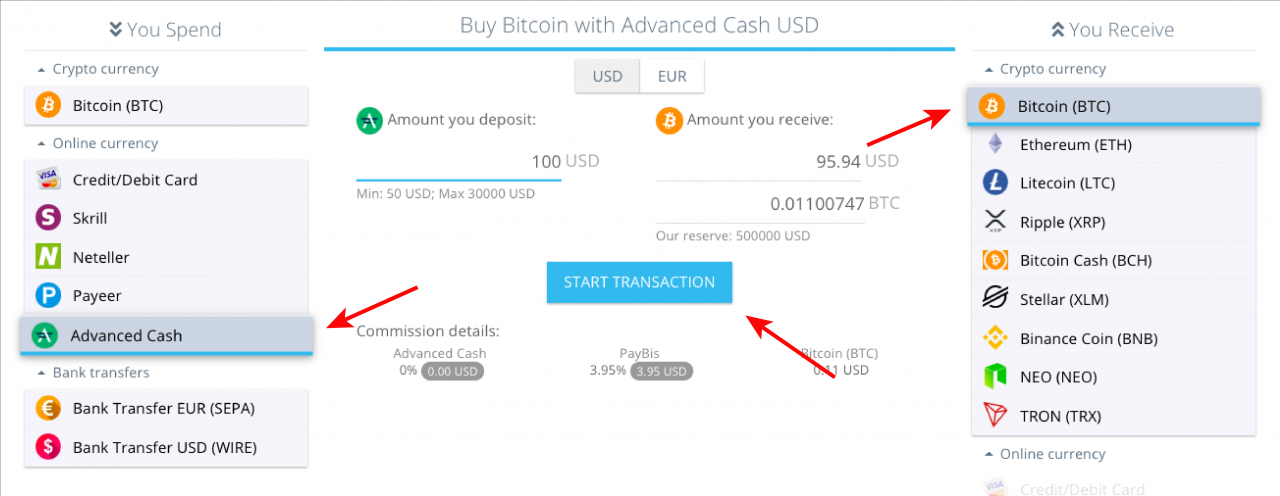
How To Buy Crypto Without KYC - A Guide for Beginners

While purchasing Bitcoin without Know Your Customer (KYC) verification might seem appealing for its perceived anonymity, it’s crucial to understand the inherent risks and limitations. This approach often involves less regulated platforms and potentially higher chances of encountering scams or security breaches. Navigating these less stringent environments requires careful consideration of potential pitfalls.

Alternative Bitcoin Purchase Platforms

Numerous platforms facilitate Bitcoin purchases without strict KYC procedures. These platforms often operate outside traditional financial regulatory frameworks, and may not be regulated by the same standards as KYC-compliant exchanges. Their legitimacy can vary greatly, making thorough research crucial.

  • Peer-to-peer (P2P) marketplaces allow direct transactions between buyers and sellers. This method bypasses intermediary platforms, potentially offering a degree of anonymity. However, the buyer and seller are solely responsible for verifying each other and ensuring the transaction’s security. This method can expose users to scams and fraudulent activity, making careful due diligence a critical step. Verification methods often include video calls, and other procedures to increase buyer confidence.

  • Bitcoin ATMs are another option for purchasing Bitcoin without KYC. These ATMs are physically located in various locations, allowing users to exchange cash for Bitcoin directly. The anonymity offered depends on the specific ATM’s operational policies, which might not fully guarantee complete privacy.

Potential Pitfalls of Non-KYC Platforms

Using platforms that do not enforce KYC procedures carries significant risks. The lack of regulatory oversight can expose users to scams, fraudulent activities, and potential security vulnerabilities. Protecting funds and ensuring the legitimacy of the platform are paramount concerns.

  • Scams and fraud are a considerable risk. These platforms might be targets for malicious actors seeking to exploit vulnerabilities. Conducting thorough research and due diligence on the platform’s reputation is vital.
  • Security breaches are possible, particularly on platforms with limited security measures. The lack of KYC can potentially weaken the platform’s overall security posture. Consider using strong passwords, enabling two-factor authentication, and monitoring your account activity.
  • Limited customer support and dispute resolution mechanisms are common issues. If something goes wrong, users may find themselves with limited recourse.

Anonymity and Privacy Concerns

The perceived anonymity associated with non-KYC transactions is often overstated. While these methods may avoid revealing personal information to traditional financial institutions, various other means can potentially expose the user. Transactions are often traceable in the blockchain.

  • Blockchain transparency means that while personal information might be hidden from the platform, the transaction itself is recorded on the blockchain. This public ledger makes tracing the transactions, while not directly linking to a user’s identity, a possibility. Using pseudonyms and other methods of obscuring identity is not a guarantee of complete anonymity.
  • Using VPNs and Tor can mask IP addresses. However, this only obscures the originating location and does not guarantee complete anonymity. Sophisticated tracking methods can potentially identify the user, especially with a combination of other information.

Methods of Anonymous Bitcoin Transactions

Various techniques can be used to enhance anonymity in Bitcoin transactions, but none are foolproof.

  • Mixing services, also known as tumblers, are designed to obscure the origins and destinations of Bitcoin transactions. These services can mix multiple transactions, making it harder to trace the path of the funds. However, their legitimacy and reliability vary greatly, and users should proceed with caution.
  • Using Bitcoin mixers and coinjoin protocols to obfuscate transactions. These methods, while enhancing anonymity, do not guarantee complete privacy. They can potentially enhance the complexity of tracing transactions, but not eliminate it entirely.

Comparison of Non-KYC Bitcoin Purchase Methods

Method Pros Cons
P2P Marketplaces Potentially direct, low fees High risk of scams, verification burden
Bitcoin ATMs Physical access, convenience Limited anonymity, potentially higher fees
Mixing Services Increased transaction obfuscation Potential for scams, varying reliability

Risks and Safety Precautions

Purchasing Bitcoin without Know Your Customer (KYC) verification significantly increases the risk of encountering fraudulent activities and financial loss. While potentially offering greater anonymity, the lack of regulatory oversight and verification presents considerable vulnerabilities for users. Understanding these risks and implementing appropriate safety measures is crucial for mitigating potential harm.The absence of KYC procedures can make it difficult to trace transactions, making it harder to recover funds in case of fraud or theft.

This lack of transparency and accountability is a major concern for those considering Bitcoin purchases outside regulated channels. Therefore, heightened vigilance and proactive security measures are essential.

Security Risks Associated with Bitcoin Purchases Without KYC

Bitcoin transactions, particularly those conducted outside established platforms, often lack the same level of security and protection offered by regulated exchanges. This can leave users vulnerable to various threats, including hacking, scams, and fraudulent activities. The anonymity associated with such transactions can also make it challenging to resolve disputes or recover lost funds.

Common Scams and Fraudulent Activities Related to Bitcoin

Numerous scams exploit the lack of KYC verification in Bitcoin transactions. Phishing attempts, fake exchanges, and pump-and-dump schemes are common tactics employed to deceive unsuspecting users. These schemes often leverage social engineering techniques, posing as legitimate businesses or individuals to manipulate users into revealing sensitive information or transferring their funds. It’s crucial to recognize these tactics to protect yourself.

Best Practices for Protecting Your Funds During Bitcoin Purchases

Implementing robust security measures is paramount to mitigating risks. Verify the legitimacy of any platform or individual involved in the transaction. Avoid using unsecured Wi-Fi networks when conducting sensitive transactions. Employ strong, unique passwords for all accounts and enable two-factor authentication wherever possible. Regularly monitor your Bitcoin wallet activity for suspicious transactions.

Precautions to Avoid Potential Risks

  • Thoroughly research any platform or individual offering Bitcoin purchasing services without KYC. Look for reviews and testimonials from other users to assess their reliability and trustworthiness. Avoid platforms with a lack of transparency or contact information.
  • Use secure and encrypted communication channels when interacting with potential sellers or platforms. Do not share personal information or financial details through public forums or unverified channels. Verify the legitimacy of websites and avoid suspicious links or emails.
  • Never disclose your private keys or recovery phrases to anyone. These keys grant access to your entire Bitcoin holdings. Protect these keys as if they were your most valuable asset. Never share them with anyone, even if they claim to be helping you with your Bitcoin transactions.
  • Be cautious of unsolicited offers or high-yield investment opportunities related to Bitcoin. Legitimate Bitcoin investment opportunities require significant due diligence. Exercise caution with promises of high returns, as these are often red flags for scams.
  • Never send funds to someone you do not fully trust or who is not a verified platform. Verify the legitimacy of the receiver’s address or platform. This includes checking for discrepancies in the information provided and confirming the identity of the individual or company. Double-check all details before making any transfer.

Spotting Potential Scams and Fraudulent Activities

  • Be wary of platforms or individuals who pressure you into making quick decisions or who refuse to provide detailed information. Legitimate businesses operate with transparency and do not rush transactions. Look for signs of urgency or attempts to manipulate you into acting hastily.
  • Verify the authenticity of any Bitcoin address or platform. Use reliable resources to cross-reference the address or platform details. Look for signs of inconsistencies or errors in the provided information. Verify any platform through multiple sources.
  • Do not trust advertisements promising unrealistic returns on Bitcoin investments. These are often red flags for fraudulent activities. Be skeptical of promises of significant profits with minimal risk.
  • If something seems too good to be true, it likely is. Exercise caution when dealing with offers that appear unusually lucrative or require unusual steps. Do your research and seek independent verification before committing to any transaction.

Alternatives to Buying Bitcoin with No KYC

While purchasing Bitcoin with a credit card without KYC verification presents enticing accessibility, it’s crucial to explore alternative avenues. These methods offer various approaches to acquiring Bitcoin outside the typical credit card-based transactions. They often come with unique advantages and disadvantages, and understanding these aspects is key to making informed decisions.

Alternative Acquisition Methods

Several methods exist for obtaining Bitcoin beyond traditional credit card purchases. These alternatives provide diverse pathways for acquiring Bitcoin, each with its own set of characteristics.

  • Gift or Transfer from Existing Bitcoin Holdings: Receiving Bitcoin as a gift or transferring it from a pre-existing Bitcoin wallet is a straightforward method. This approach is particularly convenient for those already possessing Bitcoin holdings.
  • Bitcoin Trading Platforms (without credit card): Some platforms facilitate Bitcoin exchange without relying on credit cards. These often involve other forms of payment or direct peer-to-peer transactions. This method can be beneficial for those seeking alternative payment options, but the process may have nuances.
  • Mining: Bitcoin mining involves solving complex mathematical problems to validate transactions and add them to the blockchain. The reward is newly created Bitcoin. This is a resource-intensive process, often requiring specialized hardware and significant computational power. The difficulty of mining is constantly increasing, making it less accessible and profitable for individuals without significant investment.
  • Staking: Staking is another way to earn Bitcoin. It involves holding a certain amount of Bitcoin in a compatible wallet and participating in the network’s consensus mechanism. Staking often requires a minimum amount of Bitcoin held. The rewards for staking are typically proportional to the amount of Bitcoin staked.
  • Earning Bitcoin Through Other Activities: Certain platforms and businesses offer Bitcoin as a reward for completing specific tasks or participating in activities. This includes referring friends, participating in surveys, or completing certain actions. These methods may involve limited earning potential and vary in terms of security.

Methods for Earning Bitcoin

Various avenues exist to generate Bitcoin beyond the direct purchase or gift.

  • Bitcoin Rewards Programs: Many companies offer Bitcoin as a reward for completing tasks or participating in specific activities. This can range from referring friends to completing surveys, offering varied opportunities for small amounts of Bitcoin.
  • Affiliate Marketing and Bitcoin-Based Referrals: Some businesses and platforms reward users for referring others. If a referral program involves Bitcoin, it provides a potential avenue for acquiring Bitcoin without traditional purchases. The rewards are usually dependent on the success of the referrals.
  • Bitcoin Faucets: Bitcoin faucets provide small amounts of Bitcoin for completing simple tasks, like watching advertisements or solving puzzles. The amounts are typically minuscule, but they can be a supplementary way to acquire Bitcoin. They are often considered a supplementary method, not a primary source of income.

Comparison of Alternative Bitcoin Acquisition Methods

The table below highlights key differences between various methods of obtaining Bitcoin.

Method Description Effort Required Potential Earnings Risk
Gift/Transfer Receiving Bitcoin from existing holdings. Minimal Dependent on the amount received. Minimal
Trading Platforms (No Credit Card) Exchange Bitcoin using methods other than credit cards. Medium Variable, depending on market conditions. Medium
Mining Validating transactions to earn Bitcoin. High Potentially high, but decreasing with difficulty. High (technical and financial)
Staking Holding Bitcoin in a wallet to participate in consensus. Medium Dependent on the amount staked and network rewards. Medium (security of the platform)
Bitcoin Rewards Programs Completing tasks for Bitcoin rewards. Variable Low to moderate, depending on the program. Low to medium (security of the program)

Reputable Platforms for Alternative Acquisition

Various platforms facilitate Bitcoin acquisition through alternative methods.

  • Coinbase: While primarily known for traditional trading, Coinbase sometimes offers other acquisition methods like staking. However, specific methods may vary.
  • Kraken: Similar to Coinbase, Kraken may provide certain alternative Bitcoin acquisition options, though these might be less prominently featured. Users should research the available methods.
  • Binance: A popular cryptocurrency exchange, Binance offers a wide array of Bitcoin acquisition options, including staking and rewards programs. Research specific offerings for alternative methods.

Buying Bitcoin Overview

Purchasing Bitcoin involves a series of steps, from selecting a reputable exchange platform to securely storing your digital assets. This process, while straightforward, requires understanding the various methods available and the inherent security considerations. Navigating the landscape of Bitcoin exchanges and wallets is crucial for a smooth and safe experience.

Methods for Purchasing Bitcoin

Different methods facilitate Bitcoin purchases, each with its own set of advantages and disadvantages. Understanding these options empowers informed decision-making.

  • Credit/Debit Cards: Many exchanges accept major credit and debit cards for immediate Bitcoin purchases. This method is convenient but typically involves higher fees compared to other options. Transaction times are generally quick, often completing within minutes.
  • Bank Transfers: Bank transfers are a common method for purchasing Bitcoin, frequently offering lower fees than credit cards. However, the transaction process can take several days to complete, depending on bank processing times.
  • Other Payment Methods: Exchanges may support other payment methods, such as wire transfers, or even peer-to-peer (P2P) platforms. The availability and specifics of these methods vary significantly between exchanges.

Security Measures Employed by Exchanges

Legitimate Bitcoin exchanges implement robust security protocols to protect user funds and transactions. These measures are essential for safeguarding digital assets.

  • Multi-Factor Authentication (MFA): This crucial security layer requires users to verify their identity using multiple authentication methods, increasing the difficulty for unauthorized access.
  • Secure Data Encryption: Bitcoin exchanges utilize strong encryption to protect sensitive user data, including transaction details and personal information. This ensures that data remains confidential and unreadable to unauthorized parties.
  • Cold Storage: A significant security measure, cold storage involves storing a portion of the exchange’s Bitcoin holdings offline, in secure, physically isolated locations, minimizing the risk of hacking.

Comparison of Bitcoin Exchange Platforms

Comparing different exchanges is vital for selecting the platform that best suits individual needs. Factors like fees, transaction speed, and security measures should be considered.

Exchange Fees Transaction Speed Security
Exchange A Low Fast High
Exchange B Moderate Moderate High
Exchange C High Slow Medium

Note: This is a simplified comparison; specific fees and transaction times may vary based on the chosen payment method and other conditions. Always research the exchange thoroughly before making a decision.

Bitcoin Wallets and Their Role

Bitcoin wallets are essential for managing and storing cryptocurrency. They provide a secure way to receive, send, and store Bitcoin.

  • Types of Wallets: Bitcoin wallets come in various types, including software wallets (installed on personal devices), hardware wallets (physical devices), and online wallets (stored on exchange platforms). Each type offers unique advantages and disadvantages in terms of security and accessibility.
  • Security Considerations: Choosing a secure wallet is paramount for safeguarding your Bitcoin holdings. Factors such as two-factor authentication, encryption, and offline storage should be prioritized when selecting a wallet.
  • Wallet Management: Effective wallet management involves regular backups, secure storage, and awareness of potential risks. Proper management minimizes the risk of losing access to your Bitcoin.

Legal and Regulatory Landscape

The legal landscape surrounding Bitcoin purchases is complex and varies significantly across different countries. Governments worldwide are grappling with how to regulate this burgeoning digital asset class, leading to a patchwork of laws and regulations. This creates challenges for both users and businesses operating in the cryptocurrency space. Understanding the nuances of these regulations is crucial for anyone considering purchasing Bitcoin, especially when exploring avenues like non-KYC transactions.

Regulatory Frameworks Across Countries

Different jurisdictions adopt varying approaches to regulating cryptocurrency. Some countries have embraced cryptocurrencies more readily than others, leading to distinct legal frameworks and enforcement policies. This disparity in regulation can significantly impact the ease and legality of purchasing Bitcoin.

  • Many countries are still developing their regulatory frameworks for cryptocurrencies. This can create uncertainty for individuals and businesses. For example, some countries may not have specific laws addressing Bitcoin exchanges or transactions, leaving the legal interpretation to be worked out on a case-by-case basis.
  • Some countries have implemented stringent regulations, requiring stringent Know Your Customer (KYC) procedures. This can make it difficult to buy Bitcoin without adhering to KYC protocols, which is particularly important for those seeking non-KYC alternatives. For example, the US has various regulations for financial institutions dealing with cryptocurrencies.
  • Other countries are taking a more cautious approach, often imposing limitations or restrictions on the use of cryptocurrencies. For example, certain countries may restrict the use of cryptocurrencies for specific transactions or prohibit certain types of cryptocurrency exchanges.

Implications of Using Cryptocurrency in Different Jurisdictions

The legal implications of using Bitcoin vary greatly based on the jurisdiction. The legality of a particular transaction might depend on the country of origin of the buyer, the seller, or the platform used for the transaction.

  • Tax implications for cryptocurrency transactions are also subject to specific regulations. Tax laws regarding Bitcoin transactions differ from country to country, sometimes resulting in complex tax liabilities for individuals. For example, capital gains taxes on cryptocurrency profits might be different in a country like Japan compared to a country like France.
  • Financial institutions may impose limitations or restrictions on transactions involving Bitcoin. These limitations can vary depending on the specific institution and the applicable regulations. For example, a bank might not allow customers to use their credit cards to buy Bitcoin.
  • The potential for legal penalties for non-compliance with local regulations should be taken seriously. Using cryptocurrencies in a way that violates local laws could lead to penalties or legal action, depending on the severity of the violation.

Potential Legal Challenges Associated with Non-KYC Transactions

Non-KYC transactions, while appealing for privacy, often present significant legal challenges. Lack of transparency and identification can raise concerns for regulators and potentially lead to legal issues.

  • Non-KYC transactions can be more vulnerable to fraud or money laundering. This lack of verification can make it harder to track the origin and destination of funds, making it harder to identify and prevent illegal activities.
  • Enforcing legal compliance in cases of non-KYC transactions can be particularly difficult. Tracing the source and destination of funds can be challenging when user identification is not readily available. This can lead to difficulties in resolving disputes and enforcing contracts.
  • Potential legal liabilities for platforms facilitating non-KYC transactions are significant. Platforms offering these services may face penalties or sanctions if they are found to be facilitating illegal activities.

Table: Legal Frameworks for Cryptocurrency in Various Regions

Region Legal Framework Key Considerations
United States Fragmented regulatory landscape, with varying regulations across states and agencies. Compliance with specific regulations is crucial, especially for financial institutions.
European Union EU’s Markets in Crypto Assets (MiCA) regulation aims to harmonize the market. MiCA introduces a new regulatory framework, potentially impacting different jurisdictions.
Japan Relatively progressive approach to crypto regulation, with specific rules for exchanges. Japanese laws and regulations offer a relatively clearer path for cryptocurrency businesses.
China Stricter regulations and restrictions on cryptocurrency trading and use. Operating in China’s cryptocurrency market requires careful consideration of the current regulations.

Conclusive Thoughts

In conclusion, buying Bitcoin with a credit card without KYC verification presents a pathway to cryptocurrency ownership with a unique set of trade-offs. While it might offer a degree of anonymity, it’s crucial to understand the risks and potential legal consequences. Alternative methods for acquiring Bitcoin exist, and careful consideration of the security implications is essential before embarking on this journey.

This guide aims to equip readers with the knowledge to navigate this intricate landscape safely.

Essential FAQs

Can I use a prepaid card for buying Bitcoin without KYC?

Some platforms might accept prepaid cards, but their KYC requirements vary. Always research the platform’s policies thoroughly.

What are the typical security measures used by legitimate Bitcoin exchanges?

Legitimate exchanges employ measures like multi-factor authentication, secure servers, and encryption to protect user funds. Research the specific measures of each exchange.

Are there any reputable platforms for alternative Bitcoin acquisition without using credit cards?

Yes, some exchanges or peer-to-peer platforms allow purchases using methods other than credit cards. Thorough research is crucial.

What are some common scams related to Bitcoin purchases?

Phishing scams, fake exchanges, and promises of high returns are common. Exercise caution and verify the legitimacy of any platform or individual.

Buying Bitcoin with gift cards presents a unique alternative to traditional payment methods. This method, while offering a certain level of anonymity, also carries distinct security considerations. Understanding the various platforms, methods, and inherent risks is crucial for a safe and successful transaction. This guide will delve into the specifics, offering insights and precautions to navigate this increasingly popular approach to Bitcoin acquisition.

The guide covers everything from the process of purchasing Bitcoin using gift cards to the detailed steps involved in each method. We’ll also explore the security risks, compare it with other methods, and provide a comprehensive overview of Bitcoin purchases in general. This in-depth analysis includes a detailed look at gift card limitations and alternatives, making this a comprehensive resource for anyone considering this purchasing method.

Buying Bitcoin with Gift Cards

Purchasing Bitcoin using gift cards is a convenient method for acquiring the cryptocurrency without needing a bank account or traditional payment methods. This method often proves useful for those seeking alternative ways to acquire Bitcoin or for those who prefer a more anonymous transaction. However, it’s crucial to understand the process and associated risks to make informed decisions.The process involves transferring funds from a gift card to a Bitcoin exchange platform.

The platform then converts the funds into Bitcoin, crediting the buyer’s Bitcoin wallet. This process is generally straightforward, although it often involves a small transaction fee.

Overview of the Process

The process of purchasing Bitcoin using gift cards typically involves three main steps: selecting a platform, entering the gift card details, and confirming the transaction. After selecting a platform, the user inputs the gift card details and confirms the transaction, which then converts the funds to Bitcoin. The platform then credits the buyer’s Bitcoin wallet.

Types of Gift Cards Usable

Numerous gift cards can be used for Bitcoin purchases, including those from major retailers like Amazon, Starbucks, and other well-known brands. Gift cards are frequently used for this purpose due to their wide availability and ease of acquisition. The platform will usually have a list of accepted gift cards to avoid any confusion.

Security Considerations

Security is paramount when purchasing Bitcoin using gift cards. Users should carefully research and choose reputable platforms with strong security measures. The platform should have robust encryption to protect sensitive data and secure transaction protocols. Verify the platform’s security measures, including SSL certificates, to ensure your data is protected. Users should also be cautious about phishing scams, and avoid entering gift card details on suspicious websites.

Platforms Facilitating Bitcoin Purchases with Gift Cards

Several platforms facilitate the purchase of Bitcoin using gift cards. These platforms offer a convenient method to acquire Bitcoin without relying on traditional banking systems. The platforms usually offer different levels of support and customer service, as well as varied transaction fees.

Comparison of Platforms

Platform Fees Security Measures User Reviews
Platform A 0.5% – 1% SSL encryption, two-factor authentication Mixed reviews, some reports of slow support
Platform B 1% – 1.5% Multi-signature wallets, KYC verification Positive reviews, known for good customer service
Platform C 0.75% – 1.25% Advanced fraud detection, regular security audits Excellent reviews, highly rated for security

Note: Fees and security measures are approximate and can vary based on the specific transaction. User reviews are collected from various online sources and may not represent the entire user base. Always verify the latest information on each platform.

Methods for Bitcoin Gift Card Purchases

Buying Bitcoin using gift cards presents a convenient way to acquire the cryptocurrency, but the methods and associated risks vary. Understanding these options is crucial for making informed decisions and minimizing potential downsides. This section details various methods, their steps, pros, cons, and potential pitfalls to aid in responsible cryptocurrency acquisition.

Different Purchase Methods

Several platforms facilitate Bitcoin purchases using gift cards. Each method employs a unique approach, impacting the overall experience and associated risks. Understanding these differences is vital for selecting the most suitable method for your needs.

Method Name Brief Description
Direct Exchange Platforms These platforms directly accept gift cards as payment for Bitcoin. They typically have a wide range of gift card providers, allowing users to select from various options.
Third-Party Exchange Platforms These platforms act as intermediaries, facilitating the exchange of gift cards for Bitcoin. They may offer additional services like account management and security features.
Gift Card Resellers These platforms buy gift cards at a discounted rate and resell them for Bitcoin. They often offer competitive prices but might have higher transaction fees or more stringent requirements.

Steps Involved in Each Method

The exact steps vary depending on the chosen method. For instance, direct exchange platforms typically involve selecting the desired gift card, entering the card details, and confirming the transaction.

  • Direct Exchange Platforms: Usually, you’d select the desired gift card, input the card details, and confirm the transaction. A crucial step is verifying the platform’s security measures and reputation before proceeding.
  • Third-Party Exchange Platforms: These platforms often require linking your account, selecting the gift card, entering the details, and initiating the exchange process. Always review the platform’s terms and conditions before completing the transaction.
  • Gift Card Resellers: These services often involve identifying the desired gift card, providing the card details to the platform, and confirming the Bitcoin purchase. Be aware of potential fees associated with the resale process.

Pros and Cons of Each Method

Each method offers unique advantages and disadvantages. Consider the trade-offs carefully before making a decision.

  • Direct Exchange Platforms: Pros: Often straightforward and user-friendly; may offer various payment options. Cons: Potentially lower exchange rates compared to other methods; security risks if the platform is not reputable.
  • Third-Party Exchange Platforms: Pros: May offer additional services and security features; often more transparent about transaction fees. Cons: Can be more complex to navigate; may involve extra verification steps.
  • Gift Card Resellers: Pros: May offer competitive prices for Bitcoin. Cons: Transaction fees can be significant; often involve more steps; potential for fraud if the reseller is not trustworthy.

Common Pitfalls and Risks

Carefully evaluating the potential risks is crucial when using gift cards to buy Bitcoin.

  • Scams and Fraudulent Platforms: Be cautious of platforms that seem too good to be true or have unclear terms and conditions. Always verify the platform’s legitimacy and reputation.
  • Security Risks: Gift card details are sensitive information. Use secure platforms that protect your card data during the transaction process.
  • Exchange Rate Fluctuations: The value of Bitcoin can fluctuate. Consider the current market conditions before completing the purchase.

Security and Risks Associated with Bitcoin Gift Card Purchases

Purchasing Bitcoin using gift cards can be convenient, but it also presents potential security risks. Understanding these risks and taking appropriate precautions is crucial to protect your funds and avoid financial losses. Gift card-based Bitcoin purchases are susceptible to fraud, and users must exercise caution when selecting platforms and verifying their legitimacy.Bitcoin gift card purchases, while offering convenience, carry a heightened risk of scams and fraudulent activities compared to other methods.

This heightened risk stems from the anonymity and ease of illicit transactions that are possible in the digital realm. Buyers must diligently research and verify the platform’s reputation and security measures.

Common Security Risks

Gift card-based Bitcoin purchases introduce several security risks. These risks stem from the anonymity of online transactions and the ease with which fraudulent actors can operate. A key concern is the potential for scams and the difficulty in recovering lost funds once a transaction is completed. Verify the legitimacy of any platform or seller involved before making a purchase.

Potential Scams and Fraudulent Activities

A variety of scams target Bitcoin gift card purchases. Phishing scams, impersonating legitimate platforms, are common. These scams aim to trick users into providing their gift card information. Fake or illegitimate platforms may also promise higher returns on investments than are realistic, often promising large Bitcoin gains using gift card purchases. Always scrutinize the legitimacy of the platform before proceeding with any transaction.

Verifying Platform and Seller Legitimacy

Thoroughly researching and verifying the platform and seller’s legitimacy is paramount. Look for user reviews, check for security certifications, and examine the platform’s reputation before making any transactions. Look for contact information that can be verified. Checking reviews and testimonials from other users can help determine a platform’s reliability.

Protecting Gift Card Information

Protecting your gift card information is crucial. Never share your gift card details with anyone unless you are certain they are legitimate. Avoid using public Wi-Fi when making transactions, as this can compromise your information. Employ strong passwords and enable two-factor authentication to add an extra layer of security.

Best Practices for Secure Transactions

Implementing robust security measures can mitigate risks associated with gift card Bitcoin purchases. Using a secure, reputable platform is critical. Always check for secure connections (HTTPS). Keep your gift card details confidential and avoid sharing them with anyone you don’t trust. Never click on suspicious links or attachments.

Security Measures to Mitigate Risks

Security Measure Description
Verify Platform Reputation Check reviews, look for security certifications, and research the platform’s history.
Use Secure Connection Ensure the platform uses HTTPS to protect your data during transactions.
Strong Passwords Use unique, complex passwords for your accounts and enable two-factor authentication.
Avoid Public Wi-Fi Use a secure Wi-Fi network or a VPN to prevent unauthorized access to your information.
Gift Card Security Never disclose gift card details to unknown entities and keep gift card details confidential.

Comparison with Other Bitcoin Purchase Methods

Buying Bitcoin using gift cards presents a distinct alternative to traditional methods like bank transfers or credit/debit cards. Understanding the trade-offs between these approaches is crucial for informed decision-making. This section delves into the comparative advantages and disadvantages of each method, highlighting potential benefits and drawbacks for various user scenarios.

Process Comparison

The process of purchasing Bitcoin with gift cards typically involves redeeming the card’s value at a designated Bitcoin exchange or platform. This is contrasted with bank transfers, which often require direct account-to-account transactions, and credit/debit card purchases, which frequently utilize payment gateways for processing. Each method has unique steps and timelines, influencing the overall transaction experience.

Advantages and Disadvantages of Gift Card Purchases

  • Gift cards offer a degree of anonymity compared to credit/debit cards. This anonymity can be attractive to users seeking privacy in their cryptocurrency transactions. However, the lack of direct tracking associated with the transaction history can make it more difficult to resolve disputes or reclaim funds in case of fraudulent activity.
  • Gift cards often provide a convenient method for using pre-existing funds. This is particularly beneficial for users who want to purchase Bitcoin without relying on their bank accounts or credit lines. Conversely, gift cards may not offer the same flexibility as credit cards, limiting spending options and potentially creating limitations for future financial transactions.
  • Gift cards sometimes have limited geographic availability and redemption options. This can pose restrictions for users with specific requirements for transaction processing. Conversely, bank transfers and credit/debit cards are widely accepted and supported, facilitating broader access to financial services.

Comparison Table

This table summarizes the key characteristics of each Bitcoin purchase method:

Method Cost Speed Security Accessibility
Gift Cards Potentially lower transaction fees. Gift card value is often fixed and may involve a redemption process. Variable; depends on the exchange/platform and redemption process. Generally considered less secure than bank transfers, as the process can lack direct tracking and validation steps. Can be more accessible for users who do not have established bank accounts or credit lines.
Bank Transfers Generally lower fees, often transparent. Can be slow, depending on the transfer method and bank processing times. Generally considered more secure, with established protocols and transaction tracking. Requires a valid bank account and usually the recipient’s bank account details.
Credit/Debit Cards Transaction fees may apply, depending on the card type and merchant. Generally faster than bank transfers, often processed in real-time. Generally considered secure with established fraud prevention measures. Widely accessible, requiring a valid credit/debit card.

Reasons for Preferring Gift Cards

Users might opt for gift cards over other methods for several reasons:

  • Anonymity: Users who prioritize privacy and anonymity in their Bitcoin transactions might find gift cards attractive, avoiding the direct linking of transactions to their personal accounts.
  • Pre-existing funds: Individuals who have gift card balances they wish to utilize for Bitcoin purchases might find this method convenient. This avoids the need for additional funding or credit lines.
  • Limited financial resources: In some cases, gift cards offer a method to make Bitcoin purchases without having to rely on existing bank accounts or credit lines.

Bitcoin Purchase Process

Purchasing Bitcoin using gift cards involves navigating various platforms and procedures. Understanding these steps is crucial for a secure and successful transaction. This process often requires careful attention to detail and adherence to specific guidelines provided by the platform facilitating the exchange.

Step-by-Step Guide

The Bitcoin purchase process using gift cards generally follows a series of steps, from selecting the gift card to confirming the transaction. Each platform might have slight variations, but the core principles remain consistent. It’s essential to carefully review the platform’s specific instructions.

  1. Gift Card Selection and Input: Begin by choosing the appropriate gift card. This step involves identifying the desired denomination and confirming its validity. The process usually involves entering the gift card’s details, including the card number, PIN, and any required security codes. Incorrect information can lead to transaction failure. Always double-check the details before proceeding.

  2. Platform Navigation: Access the designated platform for Bitcoin purchases. This might be a specialized exchange or a cryptocurrency wallet. Once on the platform, locate the section dedicated to gift card purchases. Navigating to the correct section is vital to initiate the transaction. Ensure the chosen platform has a good reputation and is well-regulated.

  3. Bitcoin Wallet Selection: Choose the Bitcoin wallet where the acquired cryptocurrency will be stored. Confirm the wallet address to ensure accuracy. The wallet address is a unique identifier that connects your account to the cryptocurrency transaction. Verify the address to prevent any potential errors.
  4. Transaction Confirmation: Review the transaction details, including the amount of Bitcoin to be purchased and the associated fees. Verify all details to avoid any mistakes or unexpected charges. Carefully confirm the details of the gift card, the desired amount of Bitcoin, and the recipient’s Bitcoin wallet address.
  5. Gift Card Verification and Purchase: The platform typically verifies the gift card’s authenticity. If valid, the platform will proceed to deduct the value of the gift card. If the gift card is not valid, the transaction will be rejected. This step ensures the authenticity of the gift card, preventing fraudulent transactions.
  6. Bitcoin Deposit: Once the gift card transaction is successfully processed, the purchased Bitcoin will be deposited into the specified wallet. The Bitcoin deposit should reflect in your chosen wallet, showing the successful completion of the transaction.
  7. Transaction History Review: Confirm the transaction’s details in the platform’s transaction history. This step allows for tracking and verification of the transaction’s status. Reviewing the transaction history allows for identifying any potential issues or discrepancies.

Technical Aspects

The technical aspects of Bitcoin transactions using gift cards involve exchanging the gift card’s value for Bitcoin. This involves the conversion of the gift card’s value to a cryptocurrency value, which then becomes available for use in the selected Bitcoin wallet. This process is typically handled by the exchange platform.

Security Considerations

Ensuring security during Bitcoin gift card purchases is paramount. Users should always select reputable platforms and carefully verify transaction details. Avoid entering sensitive information on unofficial or unverified sites. Always check for secure connections (HTTPS) and review the platform’s privacy policy. Utilizing strong passwords and two-factor authentication can add an extra layer of security.

Buying Bitcoin

Bitcoin, a decentralized digital currency, has gained significant traction in recent years. Its unique characteristics, including its scarcity and potential for high returns, have attracted investors and everyday users alike. Understanding the process of acquiring Bitcoin is crucial for anyone interested in this burgeoning market.

Different Platforms for Buying Bitcoin

Numerous platforms facilitate the purchase of Bitcoin. These platforms, often called exchanges, act as intermediaries between buyers and sellers. They provide a secure environment for transactions and typically offer a range of features to enhance the user experience. Some prominent exchanges include Coinbase, Kraken, Gemini, and Binance. Each exchange has its own set of fees, security protocols, and user interfaces, influencing the choice for individual users.

Creating a Bitcoin Wallet

A Bitcoin wallet is a crucial component of owning Bitcoin. It serves as a digital repository for your Bitcoin holdings. Wallets come in various forms, including software wallets, hardware wallets, and web wallets. Software wallets are often used on personal computers or mobile devices. Hardware wallets are physical devices designed for enhanced security, typically storing your private keys offline.

Web wallets are hosted on the internet, providing easy access but potentially posing security risks if not managed properly. Choosing the right wallet depends on individual needs and risk tolerance.

Bitcoin Transactions

Bitcoin transactions are recorded on a public ledger called the blockchain. This ledger is distributed across many computers, ensuring transparency and security. When you send Bitcoin, the transaction is added to the blockchain, making it publicly visible. Verification of these transactions involves a process of “mining” by a network of computers. This process ensures the security and integrity of the Bitcoin network.

A Bitcoin transaction typically takes a few minutes to a few hours to be confirmed on the blockchain, depending on network congestion.

Summary of Bitcoin Exchanges

Exchange Key Features Pros Cons
Coinbase User-friendly interface, widely recognized, excellent support. Ease of use, security measures, wide user base Potentially higher fees compared to other exchanges, less anonymity
Kraken Advanced trading tools, higher volume, strong security. Advanced features, high liquidity, reputable exchange Steeper learning curve for beginners, potentially higher fees on certain transactions
Gemini Focus on security, user-friendly interface, institutional grade security. Strong security, good support, regulated environment Limited trading options compared to other exchanges, potentially lower liquidity
Binance Large trading volume, wide range of cryptocurrencies, competitive fees. High liquidity, wide range of cryptocurrencies, competitive fees Higher risks, regulatory uncertainty in some regions, potential for scams

This table summarizes some popular Bitcoin exchanges and their features, highlighting pros and cons to aid users in making informed decisions. Choosing an exchange is a crucial step in buying Bitcoin, as different exchanges cater to different needs and risk tolerances.

Gift Card Restrictions and Limitations

Buy Gift Cards With Bitcoin - all retailers - HodlHard.io

Gift cards offer a convenient way to buy Bitcoin, but they come with various restrictions and limitations. Understanding these limitations is crucial for a smooth and successful transaction. Different gift card types have varying terms and conditions, impacting the usability and overall value when used for Bitcoin purchases.Gift card restrictions often extend beyond the simple expiration date. Specific usage limitations, including restrictions on merchants or categories of goods, need careful consideration.

These restrictions can significantly limit the flexibility and usefulness of the gift card for Bitcoin purchases.

Gift Card Type-Specific Restrictions

Gift cards are not universally interchangeable. Restrictions vary significantly based on the issuer and the specific card type. For example, a gift card issued for a specific retail store may not be usable for Bitcoin purchases. These restrictions can significantly impact the viability of using gift cards for Bitcoin.

Validity of Gift Cards with Different Brands

The validity of using different brands of gift cards for Bitcoin purchases depends entirely on the specific terms and conditions set by the issuer. Some gift cards are explicitly designed for use at specific retailers, while others have more general usage restrictions. Bitcoin purchase platforms often have varying acceptance policies regarding gift card brands. Consequently, a gift card from a particular retailer might not be accepted by all Bitcoin purchase platforms.

Issues with Expired or Invalid Gift Cards

Using expired or invalid gift cards for Bitcoin purchases is generally not possible. Bitcoin platforms will likely reject these gift cards. Attempting to use such cards might result in the purchase not going through or the user losing the value of the gift card. It’s crucial to ensure the gift card is valid and within its expiry date.

Examples of Gift Card Types and Usage Restrictions

Gift cards come in numerous forms. A gift card for a specific retail store, like a department store, may only be used at that store. A gift card for a specific restaurant chain might be restricted to use at that chain’s restaurants. Gift cards issued by entertainment providers often have restrictions, such as being usable only for movie tickets or concert tickets.

Prepaid mobile phone credit cards, on the other hand, can usually only be used for mobile phone services.

Table of Gift Card Types and Limitations

Gift Card Type Potential Limitations
Retail Store Gift Card (e.g., Amazon, Walmart) Limited to specific retailer’s products or services. May not be accepted by all Bitcoin purchase platforms.
Restaurant Gift Card Restricted to use at the specific restaurant or restaurant chain. Generally not usable for Bitcoin purchases.
Entertainment Gift Card (e.g., Movie Tickets) Usually restricted to the designated entertainment venue or platform. Bitcoin purchase platforms are unlikely to accept these.
Travel Gift Card May have restrictions on the types of travel services it can be used for. Generally not accepted for Bitcoin purchases.
Mobile Phone Credit Usually only usable for mobile phone services and not for Bitcoin purchases.

Alternatives to Buying Bitcoin with Gift Cards

Gift cards, while offering a readily available payment method, often come with limitations and potential risks. This section explores alternative methods for purchasing Bitcoin, focusing on their advantages and disadvantages compared to gift card purchases. Understanding these options empowers users to make informed decisions aligned with their individual needs and risk tolerance.

Alternative Payment Methods for Bitcoin

A variety of payment methods facilitate Bitcoin transactions beyond gift cards. These options offer varying levels of convenience, security, and transaction fees. Choosing the right method hinges on factors like user experience, transaction speed, and cost.

Comparison of Bitcoin Purchase Methods

The following table Artikels key alternative Bitcoin purchase methods, comparing them to gift card purchases in terms of advantages and disadvantages.

Alternative Method Advantages Disadvantages Comparison to Gift Cards
Debit/Credit Cards Widely accepted, convenient, often integrated with existing payment systems. Potential for transaction fees, reliance on card provider’s security measures, security risks associated with online payments. More secure and convenient than gift cards; however, carries credit/debit card risk and potential fees.
Bank Transfers (e.g., SEPA, SWIFT) Secure if done through reputable institutions, generally low transaction fees. Slower transaction times compared to credit/debit cards, often requires verification procedures. Generally safer than gift cards, but slower than credit/debit card transactions.
PayPal Widely used platform, integrated with many online services, relatively secure. Transaction fees, potential for PayPal-specific security issues, limitations on transaction amounts. Potentially more convenient than gift cards, but still involves third-party transaction risks.
Crypto Exchanges (e.g., Coinbase, Binance) Directly buy Bitcoin from the exchange using fiat currencies (e.g., USD, EUR). Potential for exchange-specific security issues, need to create an account and comply with KYC/AML procedures. A direct alternative to gift cards, providing greater security and transparency.
Peer-to-Peer (P2P) Platforms Potentially lower fees, direct interaction with sellers. Higher risk of scams and fraudulent activities, requiring careful verification of sellers. A risky alternative to gift cards, with potential for significant loss if not done carefully.

Advantages and Disadvantages of Each Alternative

Each alternative payment method presents unique advantages and disadvantages. Users should carefully consider these factors when choosing a method for buying Bitcoin. The best option often depends on individual circumstances, risk tolerance, and the specific transaction details.

Last Point

In conclusion, buying Bitcoin with gift cards offers a viable, albeit unique, pathway to acquiring cryptocurrency. While it presents certain advantages, particularly in terms of potential anonymity, it’s essential to prioritize security and thoroughly understand the associated risks. By carefully considering the available platforms, methods, and security measures, you can navigate this process safely and successfully. This guide provides the necessary knowledge and insights to make informed decisions.

Clarifying Questions

Can I use any gift card to buy Bitcoin?

No, not all gift cards are accepted. Platforms typically have a list of accepted gift card types. Always check with the specific platform before attempting a transaction.

What are the typical fees associated with buying Bitcoin using gift cards?

Fees vary depending on the platform and the specific transaction. Some platforms may charge a flat fee, while others might incorporate a percentage-based fee.

How do I protect my gift card information when buying Bitcoin?

Use secure platforms and never share your gift card details with untrusted parties. Always scrutinize the platform’s security measures and privacy policy.

What are some common scams to watch out for when buying Bitcoin with gift cards?

Be wary of platforms that request unusual information or have poor security practices. Verify the platform’s legitimacy before proceeding.

Buying Bitcoin can be daunting, especially when you’re looking for the lowest fees. This comprehensive guide breaks down the complexities of securing the best rates, comparing various platforms and methods. We’ll equip you with the knowledge to make informed decisions and optimize your Bitcoin purchases.

From comparing different exchanges to understanding the impact of market fluctuations, we’ll cover every aspect of minimizing your Bitcoin purchase fees. Whether you’re a seasoned investor or a newbie, this guide will help you navigate the world of Bitcoin transactions effectively.

Lowest Fee Bitcoin Purchase Platforms

Finding the platform with the lowest Bitcoin purchase fees is crucial for maximizing your returns. Different platforms employ various fee structures, impacting the overall cost of acquiring Bitcoin. Understanding these nuances allows you to make informed decisions and optimize your investment strategy.

Comparative Analysis of Bitcoin Purchase Platforms

Several platforms facilitate Bitcoin purchases, each with its own fee structure. A comparative analysis reveals varying approaches to pricing. Some platforms utilize a flat per-transaction fee, while others employ a percentage-based system, potentially impacting the overall cost depending on the transaction volume.

Fee Structures on Different Exchanges

Different exchanges employ various fee structures for Bitcoin purchases. Per-transaction fees are a common approach, where a fixed amount is charged for each transaction. Percentage-based fees, calculated as a percentage of the transaction amount, are another prevalent method. Some exchanges might combine both models, varying the percentage based on transaction volume or the specific payment method used.

Factors Influencing Platform Fees

Several factors contribute to the fees charged by different platforms. Transaction volume plays a significant role; exchanges with higher trading volumes often have lower fees due to economies of scale. The type of payment method used also influences fees. For example, bank transfers might incur lower fees than credit card transactions. Other factors like the platform’s operational costs and market conditions also contribute to the final fee structure.

Comparison Table of Bitcoin Purchase Platforms

Platform Fee Structure Example Fee (USD) Average Transaction Time (Days) Supported Payment Methods
Kraken Percentage-based (0.1% to 0.5%) $10 (for a $1000 transaction) 1-2 days Bank transfer, credit card
Coinbase Percentage-based (0.5% to 2.0%) $50 (for a $10,000 transaction) 1-3 days Bank transfer, credit card, debit card
Binance Percentage-based (0.1% to 0.5%) $10 (for a $1000 transaction) 1-2 days Bank transfer, credit card, crypto transfer
Gemini Percentage-based (0.05% to 0.5%) $5 (for a $1000 transaction) 1-2 days Bank transfer, credit card, debit card

Transaction Time Analysis Across Platforms

Transaction times on Bitcoin purchase platforms vary based on several factors, including the chosen payment method and platform’s internal processing. The table below illustrates average transaction times across popular platforms. Factors like bank processing times and platform load can affect the actual time it takes to complete a transaction.

Payment Methods and Associated Fees

The payment method used to purchase Bitcoin can significantly impact the associated fees. Bank transfers generally result in lower fees compared to credit card transactions. Platforms often charge a flat fee or a percentage for credit card purchases. Debit cards might also incur fees. Crypto-to-crypto transfers can have negligible fees on platforms that support them.

It is essential to examine the specific fees associated with each payment option on each platform to make an informed decision.

Bitcoin Purchase Methods with Lowest Fees

Buying Bitcoin involves various methods, each with its own fee structure. Understanding these differences is crucial for minimizing costs and maximizing returns. This section delves into the most common purchase methods, comparing their associated fees, transaction times, security implications, and volume impact.Different payment methods offer varying degrees of speed, cost, and security when purchasing Bitcoin. Choosing the optimal method requires careful consideration of individual needs and circumstances.

Factors like transaction speed, desired level of security, and available payment options all play a role in the decision-making process.

Comparison of Payment Methods for Bitcoin Purchases

Various payment methods influence the fees associated with Bitcoin purchases. Credit/debit cards, bank transfers, and cryptocurrency exchanges are common choices, each with its own set of advantages and disadvantages. The method selected should align with personal preferences, transaction volume, and risk tolerance.

  • Credit/Debit Cards: These methods are convenient but often come with higher transaction fees, frequently ranging from 1.5% to 3.5%. This is often due to the intermediary role of payment processors. This method provides quick access to Bitcoin but may not offer the lowest fees.
  • Bank Transfers: Direct bank transfers can be a more cost-effective alternative, especially for larger transactions. However, processing times can be longer compared to other methods, often taking several business days to complete. These fees are often lower, but the speed is slower than other options.
  • Cryptocurrency Exchanges: Exchanges often provide lower fees than credit/debit cards, typically between 0.5% to 1.5%. They are frequently the most convenient for high-volume transactions. However, security considerations and potential volatility in exchange rates must be assessed.

Impact of Transaction Volume on Fees

Transaction volume plays a significant role in determining the fees associated with Bitcoin purchases. Many platforms offer tiered fee structures, where higher transaction volumes often lead to lower per-unit fees. This economic model incentivizes larger transactions. For example, a large institutional investor buying Bitcoin in bulk might receive lower fees per Bitcoin compared to a small retail investor.

This is a common business practice in various industries.

Choosing the Most Cost-Effective Method

The optimal method for purchasing Bitcoin depends on several factors. For high-volume transactions, cryptocurrency exchanges are likely the most cost-effective. If speed is paramount, credit/debit cards might be preferred, despite higher fees. For lower-volume transactions and a focus on cost minimization, bank transfers are often a more economical choice.

Average Transaction Time for Different Payment Methods

Payment Method Average Transaction Time
Credit/Debit Card Instant (usually)
Bank Transfer 2-5 Business Days
Cryptocurrency Exchange Instant (usually)

Security Implications and Their Influence on Fees

The security implications of each method influence the associated fees. More secure methods, like cryptocurrency exchanges with multi-factor authentication, often charge slightly higher fees to cover the increased security infrastructure and personnel costs. In contrast, less secure methods like using credit cards might incur lower fees, but with a greater risk of fraud or unauthorized access. Security and cost are often inversely related.

Factors Affecting Bitcoin Purchase Fees

Bitcoin purchase fees, though often seemingly small, can significantly impact the overall cost of acquiring the cryptocurrency. Understanding the various influencing factors allows investors to make informed decisions and potentially minimize their expenses. These factors range from market volatility to the operational procedures of the exchange platform.

Market Fluctuations and Bitcoin Fees

Market fluctuations play a crucial role in determining Bitcoin purchase fees. Price volatility directly impacts the spread between the buying and selling prices, which exchanges use to generate revenue. When the market experiences significant price swings, the fee spread can widen, leading to higher transaction costs. For example, during periods of heightened market uncertainty, exchanges might increase their fees to account for the increased risk.

Exchange Volume and Transaction Costs

Exchange volume significantly influences the cost of transactions. High trading volumes often lead to lower fees as exchanges can process a greater number of transactions with minimal overhead. This is because high volume implies more efficient infrastructure and processing capacity, enabling them to offer lower fees while still maintaining profitability. Conversely, low volume periods might see increased fees to maintain operational costs.

Network Congestion and Transaction Fees

Network congestion, a common issue in the cryptocurrency space, can dramatically affect transaction fees. When the Bitcoin network experiences high demand, leading to congestion, miners increase their fees to incentivize faster processing of transactions. Users seeking faster transaction confirmations are typically willing to pay higher fees to ensure timely processing. This dynamic can be observed in periods of high trading activity.

Impact of Market Conditions on Bitcoin Fees

The table below illustrates how different market conditions can impact Bitcoin purchase fees.

Market Condition Description Impact on Bitcoin Fees
High Volatility Significant price swings and uncertainty in the market. Increased fee spreads due to higher risk for exchanges.
High Trading Volume High levels of buying and selling activity. Lower fees due to efficient infrastructure and processing.
Network Congestion High demand on the Bitcoin network, leading to slow transaction processing. Increased fees to incentivize faster transaction processing.
Low Trading Volume Low levels of buying and selling activity. Potentially higher fees to maintain operational costs.

Exchange Policies and Transaction Fees

Exchange policies and procedures are another key factor in determining Bitcoin purchase fees. Different exchanges employ varying fee structures, which can significantly impact the overall cost of transactions. Some exchanges might offer tiered fee structures, where lower fees are associated with higher transaction amounts. Others might implement flat fees regardless of the transaction value. Exchange-specific policies also influence the speed of transactions, and this can directly correlate to the fees charged.

These policies, like minimum transaction amounts or specific payment methods, can influence the overall cost of a transaction.

Strategies for Minimizing Bitcoin Purchase Fees

Minimizing Bitcoin purchase fees is crucial for maximizing returns and improving the overall efficiency of your cryptocurrency investments. Smart strategies can significantly reduce the expenses associated with buying Bitcoin, allowing you to acquire more Bitcoin for the same amount of money. These strategies encompass various approaches, from actively seeking discounts to optimizing transaction timing.Effective strategies for minimizing Bitcoin purchase fees are not just about saving a few dollars; they are about building a more cost-effective and ultimately more profitable cryptocurrency investment approach.

Careful consideration of these strategies can lead to substantial savings over time, particularly for frequent buyers.

Finding and Utilizing Discounts or Promotions

Many cryptocurrency exchanges offer discounts or promotional periods. Staying updated on these offers is key to realizing potential savings. Actively monitoring exchange websites, newsletters, and social media announcements can reveal exclusive deals and promotions. Participating in loyalty programs or referral programs can also unlock further discounts. Utilizing these avenues often results in significant cost reductions for Bitcoin purchases.

Choosing Exchanges with Lower Fees

Several exchanges cater to users seeking lower transaction fees. Factors like volume-based pricing models, competitive fee structures, and transparent fee disclosure can indicate which exchanges are best suited for cost-conscious buyers. Researching and comparing fees across different exchanges is essential to identify those with the most favorable pricing. This often involves evaluating the average transaction fees over a period of time and comparing them to those offered by other exchanges.

Monitoring Transaction Fees Over Time

Tracking transaction fees over time provides valuable insights into the cost fluctuations of Bitcoin purchases. Analyzing fee trends can help you understand how network congestion and other market factors influence costs. This allows you to proactively adjust your purchase timing to take advantage of lower fee periods. Detailed records of transaction fees can identify patterns and anomalies in fees, revealing insights into the dynamics of the cryptocurrency market.

Optimizing Transaction Timing to Reduce Network Congestion

Network congestion often correlates with higher transaction fees. Identifying times when the Bitcoin network experiences lower congestion can allow you to execute purchases at lower costs. Using tools that track network activity can assist in this. Tools designed to predict network congestion and suggest optimal purchase times are available, enabling you to make purchases during periods of lower network activity and potentially lower transaction fees.

Tracking and Comparing Fees Across Exchanges

Tracking and comparing transaction fees across various exchanges requires meticulous record-keeping. Creating a spreadsheet or using dedicated tracking tools is a useful approach. A detailed record of fees, including the date, time, exchange, and transaction amount, provides a comprehensive overview of your transaction costs. This information enables informed comparisons of fee structures and helps you select the most cost-effective exchange for your needs.

This structured approach to tracking fees allows you to see trends and make adjustments to your purchase strategies for optimal savings.

Strategies and Potential Savings

Strategy Potential Savings Description
Utilize exchange promotions 5-20% Taking advantage of discounts and promotions offered by exchanges.
Choose exchanges with low-fee models 10-30% Selecting exchanges known for lower transaction fees based on historical data and pricing structures.
Monitor network congestion Variable Executing transactions during periods of low network congestion.
Track and compare fees 5-15% Using tools and spreadsheets to monitor fees across different exchanges.

General Information about Buying Bitcoin

How To Buy Bitcoin With The Lowest Fees - Secret Agent 'Stache | The ...

Buying Bitcoin, while becoming increasingly accessible, still requires understanding the process. This involves choosing a reputable platform, navigating account creation, and comprehending the security measures in place. A strong grasp of these elements is crucial for a smooth and safe Bitcoin transaction.The process of purchasing Bitcoin typically involves a few key steps, each with specific considerations. From selecting a reliable exchange to verifying your identity and making the actual purchase, understanding each stage helps mitigate potential risks and ensure a successful transaction.

Different types of exchanges cater to various needs, offering varying levels of security and user experience.

Bitcoin Exchange Types

Different Bitcoin exchanges cater to different needs and preferences. Some exchanges are specialized in providing high-volume trading capabilities, while others prioritize user-friendliness. Understanding the distinctions is key to selecting the right platform. Exchanges can be categorized broadly into centralized and decentralized exchanges. Centralized exchanges operate as intermediaries, holding customer funds, while decentralized exchanges facilitate peer-to-peer transactions.

Decentralized exchanges typically prioritize security and user control but often involve more complex setups.

Creating a Bitcoin Exchange Account

Creating an account on a Bitcoin exchange typically involves providing personal information and verifying your identity. Security is paramount, and these steps are designed to protect against fraudulent activity. The process often requires verification to ensure account legitimacy. This is often accomplished via document submission and verification procedures. These measures help ensure that the exchange is interacting with a legitimate user.

Examples include uploading government-issued ID documents and confirming addresses.

Security Measures When Buying Bitcoin

Security is crucial when buying Bitcoin. Implementing robust security measures protects your funds and personal information. Choose strong passwords, enable two-factor authentication (2FA), and regularly monitor your account activity for any suspicious transactions. Be wary of phishing scams, which attempt to trick you into revealing sensitive information. Use trusted sources for information about Bitcoin and trading.

Steps for Purchasing Bitcoin

A structured approach ensures a smooth and secure Bitcoin purchase. This table Artikels the typical steps involved in buying Bitcoin on a platform:

Step Description
1. Account Creation Set up an account with a chosen exchange, providing required information and undergoing verification.
2. Funds Deposit Deposit funds into your exchange account using a supported payment method.
3. Bitcoin Purchase Specify the amount of Bitcoin you wish to purchase and initiate the transaction.
4. Transaction Confirmation Confirm the transaction details and ensure the order is processed correctly.
5. Bitcoin Wallet Address Receive the Bitcoin address to which your purchased Bitcoin will be sent.
6. Funds Withdrawal Withdraw your purchased Bitcoin to your designated wallet.

Choosing a Secure and Reputable Platform

Selecting a secure and reputable platform is vital for protecting your investment. Conduct thorough research to identify reputable exchanges with strong security measures. Read reviews from other users, check for security certifications, and examine the exchange’s security protocols. A trustworthy platform employs robust security measures and safeguards user funds against theft. Examples include SSL encryption and multi-factor authentication (MFA).

Closure

In conclusion, securing the lowest Bitcoin purchase fees requires careful consideration of multiple factors. By understanding platform fee structures, payment methods, and market conditions, you can make strategic decisions to minimize costs. This guide provided a comprehensive overview, equipping you with the knowledge to optimize your Bitcoin transactions and achieve the best possible rates.

FAQ Summary

What are the most common payment methods for buying Bitcoin with the lowest fees?

Several methods are available, but the most common and often lowest-fee options include bank transfers, and sometimes specific cryptocurrency-to-cryptocurrency exchanges.

How do market fluctuations impact Bitcoin purchase fees?

Market volatility can influence fees. High trading volume often correlates with lower fees due to increased competition among exchanges. However, periods of high volatility can lead to fluctuating fees as well.

Can I track my transaction fees over time?

Many exchanges provide transaction history details that allow you to track fees. It’s important to keep detailed records to compare fees across different platforms and transactions.

What are some strategies for finding discounts on Bitcoin purchases?

Keep an eye out for promotional offers from exchanges. Sometimes, exchanges offer discounts for new users or high-volume transactions. Actively researching and comparing offers can be beneficial.