April 21, 2026

Year: 2025

All state legal business cards are more than just pieces of paper; they’re powerful tools for establishing credibility and building professional connections. This guide dives deep into the essentials, from crafting a visually appealing design to understanding the legal considerations involved in each state.

We’ll explore the key elements of a professional legal business card, including design principles, essential contact information, and the legal nuances specific to each state. This comprehensive overview ensures you’re equipped to create business cards that not only look good but also comply with all relevant regulations.

Defining “All State Legal Business Cards”

All state legal business cards are a specialized type of professional card designed for attorneys, paralegals, legal assistants, and other legal professionals operating in multiple jurisdictions. They serve as a concise summary of a legal professional’s qualifications and practice areas, enabling them to effectively network and connect with clients and colleagues across state lines. These cards are a crucial tool for maintaining a professional image and fostering business growth in a multifaceted legal landscape.These cards typically contain comprehensive information about the legal practitioner, including contact details, practice areas, and areas of expertise.

They often highlight their experience and accomplishments to quickly establish credibility. They also often include relevant licensing information, demonstrating the practitioner’s adherence to legal requirements and professional standards.

Scope of Legal Services

All-state legal business cards encompass a broad spectrum of legal services. These cards may be used by professionals in various legal specializations, including but not limited to corporate law, family law, criminal law, intellectual property law, and more. The nature of the services rendered will be a significant factor in determining the content of the business card, and its design should reflect this.

Industries and Professions Utilizing These Cards

These cards are commonly used by a wide array of legal professionals in diverse industries. They serve as a critical tool for connecting with potential clients and partners across multiple sectors, fostering a broad professional network.

Examples of Professions and Services

Profession Description of Services
Lawyers (Corporate) Legal counsel and representation for corporations in transactions, contracts, and disputes.
Lawyers (Family) Representation in matters involving divorce, child custody, adoption, and related family issues.
Paralegals Provide support to lawyers by conducting legal research, preparing documents, and managing case files.
Legal Assistants Handle administrative tasks, such as scheduling appointments, managing calendars, and handling correspondence.
Intellectual Property Attorneys Specialize in safeguarding and protecting intellectual property rights, including patents, trademarks, and copyrights.
Criminal Defense Attorneys Represent individuals accused of crimes, ensuring their rights are protected and advocating for their defense.

Features of Effective All State Legal Business Cards

A professional business card is a critical tool for legal professionals, acting as a concise representation of their expertise and contact information. Effective cards are designed to leave a lasting positive impression, fostering connections and opportunities. They are a powerful first impression, reflecting the image and trustworthiness of the attorney or firm.The design and content of all-state legal business cards should effectively communicate essential information while maintaining a polished and professional aesthetic.

This includes clear presentation of contact details, a visually appealing layout, and a logo that represents the firm’s brand.

Key Design Elements Enhancing Professionalism

The design elements of a business card significantly impact its perceived professionalism. Careful consideration of fonts, colors, and imagery contribute to a strong visual identity that reflects the legal practice’s values and reputation. High-quality printing materials and a well-considered layout are also important to create a lasting impression.

Clear and Concise Information Presentation

Presenting information clearly and concisely is vital for a business card. Cluttered designs or excessive text can detract from the message. Effective use of white space, strategically placed text, and concise wording enhance readability and comprehension. This allows recipients to quickly grasp the essential details.

Essential Contact Information

Providing accurate and readily accessible contact information is paramount. This includes prominent display of phone numbers, email addresses, and website links. A clear, easily visible format for each piece of information enhances the usability of the business card. Providing multiple contact methods (e.g., phone, email, website) increases the chances of successful communication.

Visual Appeal of Layout and Color Scheme

A visually appealing layout and color scheme are essential components of a professional business card. The color palette should align with the firm’s brand identity, creating a consistent and memorable image. The layout should be balanced, with appropriate use of white space to prevent visual clutter. Consider using a unique font that complements the color scheme, further enhancing the visual appeal.

Critical Components of a Professional Business Card

Component Description Example
Logo Placement The logo should be prominently featured, but not overly large or distracting. Consider placement in the top left or center. A small, high-resolution logo in the top left corner.
Font Choices Select fonts that are legible and consistent with the firm’s brand. Avoid overly stylized or difficult-to-read fonts. A clean, professional sans-serif font like Arial or Calibri.
Color Palettes Choose colors that align with the firm’s brand identity and convey the desired image. Consider using a limited color palette for a cohesive look. A combination of deep blue and off-white for a sophisticated and trustworthy image.
Contact Information Essential details such as phone numbers, email addresses, and website links should be easy to read and find. Phone: (555) 123-4567
Email: [email protected]
Website: www.lawfirm.com

Legal Considerations for All State Business Cards

Creating professional and compliant business cards is crucial for any legal practice. Beyond aesthetics, legal considerations ensure your cards adhere to state and federal regulations, maintaining professionalism and avoiding potential issues. This section delves into the specifics of legal requirements surrounding business cards.Understanding the nuances of legal requirements across all states is essential. Different jurisdictions may have specific rules regarding the information included on business cards, including the content’s accuracy and potential advertising implications.

This careful consideration safeguards your practice from legal complications.

Legal Requirements and Regulations

Business cards, while seemingly simple, are subject to legal regulations in various states. These regulations primarily address the accuracy of information and any potential advertising implications. The absence of compliance can result in fines or other legal repercussions.

  • Accuracy of Information: Truthfulness and accuracy are paramount. Misleading or false information on a business card can lead to legal problems, especially in cases of misrepresentation or fraud. Each state’s regulations mandate the verification of all information presented on business cards.
  • Advertising Restrictions: Some states may impose restrictions on advertising content on business cards. For instance, excessive promotional material or promises that cannot be fulfilled could lead to legal challenges. Careful consideration of the wording and the legal limitations in each state is essential.
  • State-Specific Regulations: Regulations regarding business cards vary from state to state. Some states might have specific rules for professional licenses or certifications that must be displayed on the card. Failure to comply with these state-specific regulations can have legal consequences.

Truthfulness and Accuracy of Information

Maintaining accurate and truthful information is paramount to legal compliance. Inaccurate or misleading information can lead to serious legal consequences. This section Artikels the importance of ensuring all details on the business card are factually correct.

  • Verification of Information: All information displayed on the business card should be thoroughly verified to ensure accuracy. Incorrect contact details or misrepresented qualifications can lead to legal issues.
  • Avoiding Misrepresentation: Cards should not misrepresent the scope of services offered or the qualifications of the legal professional. This includes avoiding claims that exceed the actual expertise or authority of the individual.
  • Legal Professional Credentials: In jurisdictions where specific certifications or licenses are required, ensuring these are accurately displayed on the card is essential. This practice upholds professionalism and compliance.

Legal Restrictions on Content

Understanding legal restrictions on business card content is critical to avoid legal issues. Advertising limitations are key considerations.

  • Advertising Limitations: Some states have specific regulations concerning advertising on business cards. Excessively promotional language or offers may be considered advertising and need to comply with particular rules and guidelines. Overly aggressive marketing or promotional material might violate certain state regulations.
  • Avoiding Misleading Claims: Statements that are not verifiable or are misleading can lead to legal action. Carefully consider the language used on the card to ensure it is not deceptive or misleading.
  • Disclaimer Requirements: Some jurisdictions might require disclaimers on cards that limit the scope of practice or liability. Understanding these requirements and including them appropriately is essential.

Example Legal Guidelines Table (Illustrative)

The following table provides a simplified representation of potential legal guidelines for business cards. Note that this is not exhaustive and specific state regulations should be consulted.

State Key Considerations
California Accurate representation of licenses, certifications, and scope of practice; advertising restrictions
New York Stricter regulations on advertising claims; accurate contact information
Florida Verification of all information; potential limitations on promotional materials
Texas Accuracy of legal credentials and certifications; compliance with advertising regulations

Designing Effective All State Legal Business Cards

Crafting a professional and memorable business card is crucial for any legal professional, especially when operating across multiple jurisdictions. A well-designed card can leave a lasting positive impression and effectively communicate the core values and expertise of your law firm. A visually appealing and informative card can distinguish your firm from competitors and significantly enhance your brand presence.A thoughtfully designed business card, when combined with a consistent brand identity across all marketing materials, can elevate your firm’s professional image.

This approach ensures your brand resonates with potential clients and reinforces your firm’s expertise and reputation.

Visual Aesthetics for Professionalism

Visual appeal plays a pivotal role in capturing attention and making a lasting impression. Effective design elements combine aesthetic appeal with clarity, ensuring the card effectively conveys essential information while maintaining a professional image. A visually appealing card conveys trustworthiness and competence, fostering confidence in potential clients.

  • Font Selection: Choosing the right font is critical. Serif fonts often appear more traditional and formal, while sans-serif fonts can convey a modern and contemporary image. Consider the overall brand identity and target audience when selecting a font. Ensure the font is legible and easy to read at a glance. Avoid overly ornate or unusual fonts that might detract from the professionalism of the card.

  • Color Palette: A well-chosen color palette can evoke specific emotions and reinforce the brand’s identity. Darker colors, such as navy or deep green, typically suggest sophistication and professionalism. Lighter colors, such as pastels or soft blues, might be suitable for firms with a more approachable image. The colors used should align with the firm’s overall branding and not clash with the legal industry’s perception of professionalism.

  • Imagery and Graphics: Incorporating relevant imagery or graphics can add a touch of personality to the card while maintaining professionalism. A subtle, relevant graphic, such as a stylized law book or scales of justice, can effectively communicate the firm’s focus and expertise. However, avoid overly complex or distracting graphics that could overshadow the essential information on the card.

Logo as a Brand Identifier

A logo is a crucial element in establishing a strong brand identity. It serves as a visual representation of the firm, encapsulating its values, mission, and expertise. A professionally designed logo helps potential clients recognize and remember the firm, building trust and credibility.

  • Logo Design Considerations: The logo should be recognizable, memorable, and scalable. It should work effectively in various contexts, from business cards to letterheads and online platforms. A well-designed logo conveys professionalism and expertise, setting the firm apart from competitors.
  • Logo Placement: Strategically placing the logo on the card is essential. It should be prominent enough to be noticed but not so large that it overwhelms other important information. The positioning should enhance the overall design and create a visually balanced layout.

Card Materials and Finishes

Choosing the right card material and finish can significantly impact the overall perception of the firm. Different options cater to varying budgets and desired levels of sophistication.

Material Finish Description
Premium Card Stock Matte Offers a sophisticated and professional feel.
Thick Paper Stock Glossy Adds a touch of elegance and high-end feel.
Recycled Paper Embossed Demonstrates a commitment to sustainability.

Brand Consistency Across Materials

Maintaining a consistent brand identity across all marketing materials is essential for building recognition and trust. From letterheads and website design to social media profiles and advertisements, a unified visual language reinforces the firm’s identity. This consistent approach fosters a cohesive and professional image, improving client perception and solidifying the firm’s brand presence.

Design Examples

Illustrative examples of design approaches include:

  • Modern Minimalist: Clean lines, a limited color palette, and a focus on typography.
  • Classic Elegant: Sophisticated fonts, a rich color scheme, and a traditional layout.
  • Contemporary Bold: Bold typography, striking colors, and unique shapes to create a distinct visual identity.

Business Legal Information and Services

A comprehensive understanding of business legal services is crucial for any entrepreneur or business owner. Navigating the complexities of the legal landscape can be daunting, but having the right guidance can protect your business from potential risks and ensure its smooth operation. Knowing your legal rights and responsibilities is key to making informed decisions and maximizing your business’s potential.A wide array of legal services exists to address the diverse needs of businesses.

From establishing a solid legal foundation to resolving disputes, legal professionals provide essential support throughout the lifecycle of a business venture. This support can be invaluable in preventing future issues and maintaining a successful trajectory.

Overview of Business Legal Services

Various legal services are available to assist businesses. These range from routine legal tasks like drafting contracts and registering trademarks to more complex matters like litigation and corporate restructuring. Each service is tailored to meet specific business needs.

Importance of Legal Advice for Businesses

Legal advice is paramount for businesses. It ensures compliance with regulations, safeguards against potential liabilities, and facilitates informed decision-making. Businesses often face complex situations that require specialized knowledge and expertise to navigate effectively. A legal professional can provide clarity and guidance, helping businesses avoid costly mistakes and maintain a positive legal standing.

Examples of Business Legal Problems and Services

Numerous business legal problems can arise. For instance, disputes over contracts, intellectual property infringements, or employment issues require specific legal intervention. A breach of contract, for example, can lead to financial losses and reputational damage. Legal services addressing these issues can involve contract review, negotiation, and dispute resolution. Alternatively, disputes related to employment law can arise from issues like wrongful termination, discrimination, or non-compliance with labor regulations.

In such cases, legal counsel specializing in employment law can be instrumental in mitigating risk and achieving a favorable resolution. The services provided could encompass compliance reviews, litigation support, or mediation.

Value of a Business Law Specialist

A lawyer specializing in business law offers a significant advantage. They possess the specialized knowledge and experience to navigate the intricate legal landscape specific to business operations. This specialized knowledge can prevent costly errors and protect a business’s interests. A lawyer’s in-depth understanding of relevant regulations, case precedents, and industry best practices provides a critical edge in managing complex business issues.

Types of Legal Contracts and Documents

Several types of contracts and documents are crucial for business operations. These documents are essential for defining the terms and conditions of agreements with customers, vendors, employees, and other parties. Examples include:

  • Sales Contracts: Define the terms of a sale between a buyer and seller, specifying details such as price, delivery, and payment terms. These contracts are vital for ensuring clarity and avoiding misunderstandings.
  • Service Agreements: Artikel the terms of a service provided by one party to another, including specific responsibilities, timelines, and payment structures. These agreements are essential for businesses that offer services.
  • Employment Contracts: Establish the terms of employment between an employer and an employee, outlining responsibilities, compensation, and termination clauses. Compliance with employment laws is paramount in these agreements.
  • Partnership Agreements: Define the terms of a partnership between multiple parties, detailing ownership stakes, responsibilities, and profit sharing. These agreements are crucial for clarifying expectations and managing potential conflicts.
  • Non-Disclosure Agreements (NDAs): Protect confidential information shared between parties. These agreements are essential in protecting sensitive business data from unauthorized disclosure.

These legal documents provide a framework for smooth operations and minimize potential conflicts, enabling businesses to confidently navigate various transactions and relationships.

Distinguishing Features of Business Legal Services

Business legal services encompass a wide range of specialized areas, each tailored to address the unique needs of various types of businesses. Understanding these differences is crucial for companies seeking appropriate legal counsel and for legal professionals seeking to specialize in specific business sectors. This section details the distinctions between different types of business legal services and highlights the challenges faced by businesses at different stages of development.Different business types face unique legal challenges.

Startups require guidance on incorporation, funding, and initial contracts. Small businesses often need help with compliance, intellectual property protection, and debt management. Established companies focus on mergers and acquisitions, regulatory compliance, and complex litigation. The legal needs of each stage are distinct and require tailored expertise.

Types of Business Legal Services

Various legal services are essential for businesses of all sizes and stages. These include, but are not limited to, contract review, intellectual property protection, employment law, regulatory compliance, and litigation support. Each service area addresses specific business concerns and requires specialized knowledge. For example, a contract review service ensures that agreements are legally sound and protect the business’s interests, while intellectual property protection safeguards brand identity and innovations.

  • Contract Review and Negotiation: Businesses frequently enter into contracts with clients, suppliers, and partners. Thorough contract review and negotiation are crucial to avoid costly disputes and ensure the agreement aligns with the business’s interests. This includes careful examination of clauses related to payment terms, deliverables, and dispute resolution. A well-drafted contract protects the business from unforeseen issues.
  • Intellectual Property Protection: Protecting trademarks, patents, copyrights, and trade secrets is vital for businesses, especially those with innovative products or services. This protection safeguards their brand identity and prevents unauthorized use of their intellectual property. Strong IP protection is crucial for brand recognition and market differentiation.
  • Employment Law: Navigating employment law is critical for businesses of all sizes. This involves complying with regulations related to hiring, compensation, benefits, and termination. Proper handling of employment issues minimizes legal risks and maintains a positive work environment.
  • Regulatory Compliance: Businesses operate within a complex regulatory environment. Ensuring compliance with local, state, and federal regulations is critical for avoiding penalties and maintaining a positive reputation. This includes understanding and adhering to tax laws, environmental regulations, and industry-specific standards.
  • Litigation Support: Businesses may face legal disputes with customers, suppliers, or competitors. Litigation support involves assisting with the legal process, including gathering evidence, preparing legal documents, and representing the business in court. Proactive legal support can help minimize potential legal costs and risks.

Challenges Faced by Businesses in Various Industries

Different industries face unique legal challenges. For example, technology companies often grapple with issues surrounding intellectual property rights, data privacy, and cybersecurity. The healthcare industry faces complex regulations related to patient confidentiality and medical malpractice. Each industry requires specialized legal knowledge to address the specific issues it encounters.

Legal Issues for Different Business Stages

The legal needs of startups, small businesses, and established companies differ significantly. Startups require guidance on incorporation, fundraising, and initial contracts. Small businesses need help with compliance, intellectual property protection, and debt management. Established companies focus on mergers and acquisitions, regulatory compliance, and complex litigation. The legal support required for each stage is unique.

Impact of Legal Issues on Business Profitability and Reputation

Legal issues can significantly affect a company’s profitability and reputation. A lawsuit can result in substantial financial losses, damage brand image, and disrupt operations. A lack of compliance can lead to penalties, fines, and damage to public perception. A thorough understanding of potential legal issues is crucial for businesses to avoid negative impacts.

Categorization of Business Legal Services

Category Specific Service Description
Contract Management Contract Review Examining and negotiating contracts to protect business interests.
Contract Management Contract Drafting Creating legally sound contracts for various business needs.
Intellectual Property Trademark Protection Protecting brand identity through trademark registration and enforcement.
Intellectual Property Patent Prosecution Securing patent rights for innovative inventions.
Employment Law Compliance Audits Ensuring adherence to employment laws and regulations.
Regulatory Compliance Tax Compliance Meeting tax obligations and minimizing tax liabilities.
Litigation Support Dispute Resolution Finding solutions to business disputes outside of court.

Wrap-Up

In conclusion, creating effective all-state legal business cards involves careful consideration of design, legal requirements, and branding. By following the guidelines and examples presented, legal professionals can craft business cards that effectively communicate their expertise and services, while upholding professionalism and compliance in all states.

Question & Answer Hub

What are the common types of legal services represented on all-state legal business cards?

Business cards can represent a wide range of legal services, from contract review and intellectual property protection to corporate governance and litigation. The specific services offered will vary depending on the individual legal professional or firm.

How can I ensure my business card design is consistent with my brand identity?

Maintain a cohesive brand identity across all marketing materials, including business cards, by using consistent colors, fonts, and logos. This reinforces professionalism and builds brand recognition.

What are the most common mistakes to avoid when designing all-state legal business cards?

Avoid overly cluttered designs, using illegible fonts, and omitting crucial contact information. Prioritize clarity and professionalism in your design choices.

Are there specific legal requirements for the information displayed on business cards?

Yes, legal requirements for business cards vary by state. Always ensure the information displayed is accurate and complies with state regulations regarding advertising and truthful representation of services.
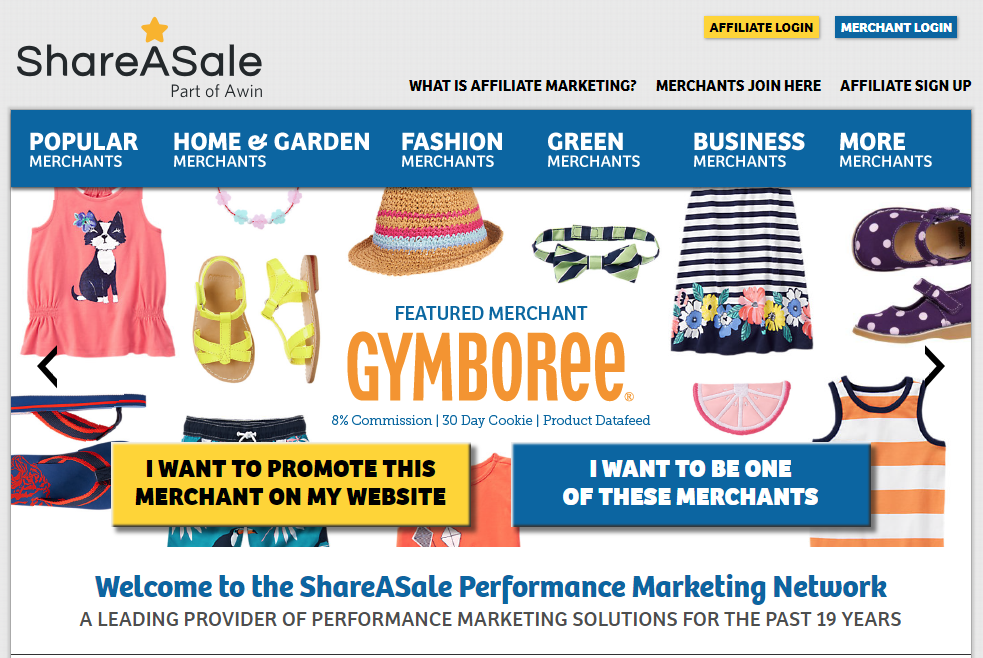

Affiliate programs to sell offer a lucrative opportunity for individuals and businesses to monetize their online presence. This guide dives deep into the world of affiliate marketing, covering everything from understanding different program structures to effectively promoting products and building a successful affiliate business.

From choosing the right programs to mastering promotional strategies, this detailed Artikel provides a roadmap for anyone looking to leverage affiliate marketing. Understanding the legal and ethical considerations is also crucial for long-term success.

Introduction to Affiliate Programs

Affiliate marketing is a performance-based marketing strategy where individuals or businesses (affiliates) promote other companies’ products or services. Affiliates earn a commission for every sale or lead generated through their unique referral links. This model fosters a collaborative ecosystem, empowering affiliates to leverage their reach and expertise to drive revenue for businesses.This system effectively connects businesses seeking to expand their market reach with individuals or groups possessing a dedicated audience.

The process hinges on the affiliate effectively directing their audience to the target product or service. This model rewards the affiliate’s efforts with a tangible return for their work.

Fundamental Mechanisms of Earning

Affiliate programs typically involve the creation of unique affiliate links that track referrals. When a customer clicks on these links and subsequently makes a purchase, the affiliate earns a commission. The commission structure varies depending on the program, often based on a percentage of the sale or a fixed amount.

Types of Affiliate Programs

Affiliate programs cater to diverse business models. Product-based programs focus on selling physical or digital goods, whereas service-based programs promote consulting, coaching, or other professional services. Financial services, such as investment platforms or insurance providers, also use affiliate marketing to attract new customers.

Key Components of a Typical Affiliate Program

Component Description Example
Program Structure The mechanics of the program, outlining the steps involved in joining, promoting, and earning commissions. A step-by-step process detailing the application, approval, and commission payment procedure.
Commission Structure The formula for calculating earnings, specifying how much the affiliate earns for each sale or action. A 10% commission on every product sale.
Requirements The conditions for joining and participating in the program. A minimum website traffic requirement or a certain level of social media engagement.

Choosing the Right Affiliate Program

Selecting the right affiliate program is crucial for maximizing your earning potential and aligning your efforts with successful campaigns. A poorly chosen program can waste your time and resources, while a well-chosen one can drive significant revenue. This section details the steps to identify suitable affiliate programs, the factors to consider, and a structured approach for evaluating different options.Choosing the right affiliate program is akin to selecting the perfect partner for your business.

You need a program that aligns with your target audience, your brand, and your marketing strategies. The wrong program can be detrimental to your sales efforts. Thorough research and careful evaluation are essential.

Identifying Suitable Affiliate Programs

Finding the right affiliate programs requires a strategic approach tailored to your specific product or niche. Start by identifying products or services that resonate with your target audience and align with your marketing efforts. Next, research potential affiliate programs that offer those products or services. This may involve exploring affiliate directories, online forums, or social media groups.

Factors to Consider When Selecting an Affiliate Program

Several key factors influence the success of an affiliate program. Commission rates, target audience, and program reputation are vital considerations.

  • Commission Rates: This is a primary factor. Analyze the commission structure to understand the payout potential and calculate potential earnings. Are commissions based on sales, leads, or clicks? The structure impacts the overall profitability of the partnership.
  • Target Audience: Ensure the program’s target audience aligns with yours. A program attracting a demographic not relevant to your audience will likely lead to low conversions.
  • Program Reputation: Research the program’s reputation. Check reviews and testimonials from other affiliates to assess the program’s reliability and support system. Look for evidence of consistent performance and a history of successful campaigns.
  • Program Benefits: Beyond the basic commission structure, examine the program’s support, resources, and promotional materials. Consider whether the program offers training, marketing tools, or exclusive deals.

Comparing Different Affiliate Program Providers

Comparing various affiliate program providers allows for informed decision-making. Each program will have its own set of features and benefits, influencing its suitability for your needs.

Evaluating Affiliate Programs: A Structured Approach

A systematic approach to evaluating affiliate programs ensures you make informed choices. This involves a detailed evaluation based on predefined criteria.

  1. Commission Structure: Analyze the commission structure, considering the payment schedule, payout thresholds, and any special bonuses or incentives. A high commission rate with a favorable payout structure is highly desirable.
  2. Target Audience: Assess the program’s target audience, checking if it overlaps with your target market and aligns with your marketing goals.
  3. Program Reputation: Research the program’s reputation, looking for positive feedback and testimonials from existing affiliates. A strong reputation signifies reliability and support.
  4. Program Benefits: Evaluate the program’s resources and support, examining whether it offers marketing materials, training, or promotional assistance. Comprehensive resources are beneficial.

Criteria for Evaluating Affiliate Programs

A structured set of criteria helps you compare and evaluate different affiliate programs objectively. Consider these factors when choosing:

  • Commission Structure: High commission rates and transparent payment schedules are key. A clear commission structure will maximize your income potential and make calculating earnings straightforward.
  • Target Audience Alignment: Ensure the program’s target audience matches your customer base to improve conversions and generate higher sales.
  • Program Reputation and Support: A program with a proven track record of success and reliable customer support will provide greater peace of mind and assist in handling potential issues.
  • Marketing Resources and Tools: Assess the quality of marketing materials, tools, and training resources provided to help your campaigns succeed.

Comparison Table of Affiliate Programs

This table provides a concise comparison of three different affiliate programs, highlighting key features.

Program A Program B Program C
Commission Structure: Tiered commission structure with increasing rates based on sales volume. Payouts bi-weekly. Commission Structure: Flat commission rate for all sales. Payouts monthly. Commission Structure: Commission based on leads generated, with a bonus for achieving certain targets. Payouts weekly.
Target Audience: Focuses on a niche audience interested in sustainable living. Target Audience: Broad range of consumers interested in home improvement. Target Audience: Individuals interested in digital marketing tools.
Program Benefits: Comprehensive marketing materials, training webinars, and dedicated support team. Program Benefits: Basic marketing materials, a small but helpful support team, and no training. Program Benefits: Exclusive access to a premium marketing toolkit, regular updates on best practices, and a dedicated support forum.

Promoting Affiliate Products Effectively

Effective affiliate marketing hinges on promoting products compellingly to a targeted audience. This involves more than just listing products; it necessitates crafting a compelling narrative that resonates with potential customers. A well-structured approach, combining high-quality content with strategic promotion, is crucial for maximizing affiliate earnings.

Crafting High-Quality Content

High-quality content is the cornerstone of successful affiliate marketing. It establishes credibility, builds trust with potential customers, and positions the affiliate as an authority. This content should provide valuable insights, address customer needs, and present affiliate products within a relevant context. In essence, it should aim to educate and inform, rather than simply advertise. For instance, a review of a gardening tool, paired with helpful tips on planting techniques, is more engaging than a simple product listing.

Attracting a Relevant Audience

Attracting a relevant audience is paramount for successful affiliate marketing. Understanding the target demographic’s interests, pain points, and online behavior is key. Multiple strategies can be employed to attract this audience, including social media marketing, email marketing, and content creation.

  • Social Media Marketing: Platforms like Instagram, TikTok, and Facebook offer diverse opportunities for engaging with potential customers. Utilizing relevant hashtags, creating visually appealing content, and running targeted ads can significantly expand reach and drive traffic to affiliate product pages. A successful campaign might include showcasing product use cases in short, engaging videos, or running contests to generate excitement.
  • Email Marketing: Building an email list allows for direct communication with potential customers. By providing valuable content, such as newsletters or exclusive offers, affiliates can nurture relationships and promote affiliate products effectively. A well-structured email campaign, with a clear call to action, can be instrumental in driving conversions.
  • Content Creation: Creating valuable content, such as blog posts, articles, or videos, can establish authority and attract a targeted audience. For example, a beauty blogger reviewing skincare products could attract a dedicated audience interested in skincare. This type of content, coupled with affiliate links, can generate significant revenue.

Successful Affiliate Marketing Campaign Examples

Several successful affiliate marketing campaigns demonstrate the power of a well-defined strategy. One example involves a fitness blogger who promotes workout equipment and nutritional supplements through engaging blog posts, social media content, and video tutorials. By creating content that aligns with her audience’s needs and interests, she has successfully built a strong brand and generated substantial affiliate revenue.

Another example is a tech reviewer who consistently publishes high-quality reviews of new gadgets and electronics, driving traffic to their affiliate links through a strong online presence and consistent posting schedule.

Tracking and Measuring Performance

Tracking and measuring affiliate marketing efforts is essential for optimization. This involves using analytics tools to monitor key metrics such as website traffic, conversion rates, and revenue generated from affiliate links. Analyzing these metrics allows affiliates to identify successful strategies and areas needing improvement. For example, tracking click-through rates on affiliate links can reveal which promotions are most effective.

Tools like Google Analytics provide valuable insights into website traffic, allowing affiliates to understand audience engagement and adjust their strategies accordingly.

Amazon Affiliate Program

The Amazon Associates program is one of the most popular and well-established affiliate programs globally. It allows individuals and businesses to promote Amazon products and earn a commission on sales generated through their unique affiliate links. Understanding its specifics, advantages, and challenges is crucial for anyone looking to leverage this platform for affiliate marketing.The Amazon Associates program operates on a commission-based model.

Affiliates earn a percentage of the sale price of eligible products purchased through their unique links. This commission structure is transparent and well-defined, making it easy for affiliates to understand their earnings potential. Crucially, it’s crucial to note that the program’s success depends heavily on effectively marketing and promoting the products to the right audience.

Specifics of the Amazon Associates Program

The Amazon Associates program offers a wide range of products across numerous categories. This broad selection allows affiliates to target various niches and customer interests. Moreover, Amazon provides comprehensive resources and tools to support affiliates, including marketing materials, tracking, and reporting features. These resources enable affiliates to effectively manage their campaigns and analyze their performance.

Benefits of Joining the Amazon Associates Program

  • Extensive Product Catalog: Amazon’s vast product selection allows affiliates to target a wide range of interests, maximizing potential earnings.
  • Established Platform: Amazon’s global reach and brand recognition significantly enhance the credibility of affiliate links.
  • Robust Tracking and Reporting Tools: Detailed tracking and reporting provide insights into affiliate performance, enabling data-driven optimization strategies.
  • Marketing Resources: Amazon offers various marketing materials, such as banners and product images, to support affiliate campaigns.
  • Transparent Commission Structure: The commission structure is clearly defined, making it easy for affiliates to understand their earnings potential.

Drawbacks of Joining the Amazon Associates Program

  • High Competition: The program’s popularity means a large number of affiliates compete for sales, demanding considerable effort for visibility.
  • Commission Rates: Commission rates vary significantly by product category and may be lower than some niche affiliate programs.
  • Amazon’s Policies: Strict adherence to Amazon’s policies and terms of service is essential to avoid account suspension or restrictions.
  • Dependence on Amazon: Affiliates are reliant on Amazon’s platform and policies, potentially impacting their control over marketing strategies.

Comparison to Other Affiliate Programs

Comparing Amazon Associates to other affiliate programs often reveals differences in commission rates, product selection, and support structures. While Amazon provides a large selection and established platform, other programs might focus on niche products with higher commission percentages. A careful analysis of individual needs and goals is critical in choosing the most suitable program.

Tips for Success with the Amazon Associates Program

  • Niche Down: Specializing in a particular niche allows for targeted marketing and a more engaged audience.
  • High-Quality Content: Creating valuable content relevant to the target audience is essential to drive traffic and conversions.
  • Effective Research: Optimizing content for relevant s increases visibility and organic traffic.
  • Building an Email List: Gathering email addresses enables direct communication with potential customers and fosters long-term relationships.
  • Engaging with the Community: Building relationships with other affiliates and customers can foster a supportive network.

Strategies to Increase Affiliate Sales Using Amazon

  • Focus on Long-Tail s: Targeting specific, longer search terms can attract highly motivated buyers interested in a particular product.
  • Content Marketing: Creating valuable content related to specific products can generate organic traffic and trust.
  • Product Reviews: Providing in-depth product reviews can establish credibility and encourage purchases.
  • Social Media Marketing: Leveraging social media platforms to promote products and engage with the audience can drive traffic and sales.
  • Strategic Use of Amazon’s Tools: Utilizing Amazon’s promotional tools and resources can significantly boost visibility and conversions.

Building an Affiliate Marketing Business

12 Best Affiliate Marketing Programs - Outbrain

Launching and maintaining a successful affiliate marketing business requires careful planning and execution. It’s not a get-rich-quick scheme, but rather a sustainable venture built on consistent effort and strategic approaches. Key to success is understanding the foundational steps and the continuous adaptation needed to thrive in this dynamic field.

Essential Steps for Launching an Affiliate Business

Building an affiliate marketing business involves several crucial steps. From establishing a strong online presence to selecting the right affiliate programs and crafting effective promotional strategies, each stage contributes to the overall success.

  • Market Research and Niche Selection: Thorough market research is vital for identifying profitable niches and understanding target audiences. Analyze competitor strategies, trending products, and consumer demand to pinpoint lucrative opportunities.
  • Choosing the Right Affiliate Programs: Select affiliate programs that align with your niche and target audience. Prioritize programs with attractive commission structures, high-quality products, and supportive resources.
  • Creating a Professional Website or Blog: A dedicated website or blog is essential for showcasing affiliate products and building a loyal audience. This platform allows for direct engagement with potential customers and establishes credibility.
  • Developing a Content Strategy: Creating valuable and engaging content is crucial for attracting and retaining visitors. This can include product reviews, comparisons, tutorials, or blog posts related to the affiliate products.
  • Building an Email List: Building an email list allows for direct communication with subscribers and nurturing leads. Use email marketing to promote affiliate products, share valuable content, and drive sales.
  • Promoting Affiliate Products Effectively: Employ a variety of promotional tactics, including social media marketing, search engine optimization (), and paid advertising. Consistent promotion across multiple channels is essential.
  • Tracking and Analyzing Performance: Monitor key metrics such as website traffic, conversions, and sales to identify areas for improvement and optimize strategies. Data analysis allows for informed decision-making and continuous improvement.

Building a Strong Online Presence

A robust online presence is paramount for affiliate success. It’s the foundation upon which trust and credibility are built, ultimately driving traffic and sales.

  • Website Optimization: A well-designed and user-friendly website is crucial for attracting and retaining visitors. Focus on site speed, mobile responsiveness, and intuitive navigation.
  • Search Engine Optimization (): Optimizing website content for relevant s helps improve search engine rankings, increasing organic traffic and visibility.
  • Social Media Engagement: Actively engaging with potential customers on social media platforms enhances brand awareness and drives traffic to your website. Use relevant hashtags and interactive content.
  • Building Relationships: Building relationships with influencers and other industry professionals can expand reach and introduce products to a wider audience.

Essential Marketing Strategies for Affiliate Promotion

Effective marketing strategies are key to maximizing affiliate program results. These strategies involve leveraging different channels and tactics to promote affiliate products effectively.

  • Content Marketing: Create high-quality, informative, and engaging content related to the affiliate products. This builds trust, establishes authority, and attracts organic traffic.
  • Social Media Marketing: Utilize social media platforms to promote affiliate products and interact with potential customers. This includes posting engaging content, running contests, and engaging in conversations.
  • Email Marketing: Develop and nurture an email list to promote affiliate products and build relationships with subscribers. Use email marketing for exclusive offers and valuable content.
  • Paid Advertising: Consider paid advertising strategies such as Google Ads or social media ads to reach a wider audience and drive targeted traffic to your website.

Flowchart for Starting an Affiliate Business

The process of starting an affiliate business involves several interconnected steps. The following flowchart illustrates the sequential nature of these actions.

[Insert a flowchart image here. The flowchart should visually represent the steps described in the previous sections, showcasing the order and connection between tasks. It should clearly show the steps of market research, niche selection, website creation, content creation, promotion, and tracking.]

Resources for Further Learning

Numerous resources are available for deepening your understanding of affiliate marketing.

  • Online Courses: Online courses from reputable platforms provide structured learning and valuable insights into affiliate marketing strategies.
  • Blogs and Articles: Numerous blogs and articles offer informative content and practical tips on various aspects of affiliate marketing.
  • Affiliate Marketing Communities: Engaging with affiliate marketing communities allows for networking, knowledge sharing, and the opportunity to learn from experienced marketers.

Legal and Ethical Considerations

Affiliate marketing, while offering lucrative opportunities, necessitates adherence to a strong ethical framework and legal regulations. Understanding these guidelines is crucial for building trust with potential customers and maintaining a sustainable and reputable business. Ethical practices not only enhance your reputation but also help avoid potential legal issues.Navigating the intricate web of affiliate marketing legalities and ethical standards is vital.

It requires a commitment to transparency, honesty, and a proactive approach to avoiding any misleading or deceptive tactics. This section explores the key aspects of ethical and legal considerations in affiliate marketing.

Legal Guidelines for Affiliate Marketing

Affiliate marketing operates within existing legal frameworks, including consumer protection laws and regulations related to advertising. Understanding these guidelines is crucial to avoid potential legal ramifications. Adherence to these laws is essential for a thriving and compliant affiliate marketing business. Specific regulations may vary by region, so researching local laws is important.

Importance of Disclosure and Transparency

Transparency is paramount in affiliate marketing. Full disclosure of any affiliate relationships is essential to maintain consumer trust and avoid accusations of deception. Openly declaring any financial incentives or relationships with affiliated products is crucial. This includes clearly stating when a product review is sponsored or influenced by affiliate commissions.

Avoiding Deceptive or Misleading Practices

Deceptive or misleading practices in affiliate marketing erode consumer trust and can lead to legal repercussions. Representing products inaccurately, concealing affiliate relationships, or creating false testimonials are examples of unethical behavior. Transparency and honesty are key to avoiding such practices.

Checklist for Ensuring Ethical Practices in Affiliate Marketing

Maintaining ethical standards in affiliate marketing is a continuous process. The following checklist serves as a guide for ensuring ethical practices:

  • Clearly Disclose Affiliate Relationships: Always disclose your affiliate relationships with products or services. This includes using clear and prominent language, such as “affiliate link” or “sponsored content.” This is crucial for transparency and building trust.
  • Provide Honest and Accurate Product Reviews: Focus on providing honest and unbiased reviews of products. Avoid exaggerating product benefits or downplaying potential drawbacks. Transparency and honesty build credibility and trust with customers.
  • Avoid Misleading or Deceptive Claims: Refrain from making any misleading or deceptive claims about products or services. Be factual and avoid promoting products that are not genuinely useful or appropriate for the audience.
  • Respect Intellectual Property Rights: Avoid infringing on any intellectual property rights associated with products or services. Be aware of copyright and trademark regulations to maintain compliance.
  • Be Aware of Local Regulations: Understand and comply with all local regulations and laws regarding advertising, consumer protection, and affiliate marketing.

Closing Summary

In conclusion, affiliate programs offer a powerful pathway to online income. By carefully selecting programs, effectively promoting products, and adhering to ethical guidelines, you can build a thriving affiliate marketing business. This guide has provided a comprehensive overview of the key aspects, enabling you to embark on this exciting journey with confidence.

Question Bank

What are the typical commission structures in affiliate programs?

Commission structures vary greatly. They can be a percentage of the sale, a fixed amount per sale, or a combination of both. Some programs even offer tiered commissions based on sales volume.

How do I choose the right affiliate programs for my niche?

Consider factors like commission rates, target audience alignment, program reputation, and the overall fit with your website or social media presence. Thorough research and careful evaluation are essential.

What are some common mistakes to avoid when promoting affiliate products?

Avoid misleading or deceptive practices, prioritize high-quality content, and maintain transparency regarding your affiliate relationships. Building trust with your audience is paramount.

What are the legal and ethical considerations for affiliate marketing?

Full disclosure of affiliate relationships is essential. Misleading claims or hidden commissions can lead to serious consequences. Adhering to ethical guidelines is critical for building a reputable affiliate business.

Fashion affiliate programs are booming in the USA, offering exciting opportunities for influencers and bloggers to monetize their passion for fashion. This comprehensive guide delves into the specifics of fashion affiliate programs, focusing on H&M’s offerings. We’ll explore various program types, commission structures, and key strategies for success.

Understanding the nuances of affiliate marketing, particularly within the fashion industry, is crucial. This detailed look at H&M’s affiliate program, along with comparisons to other major fashion brands, provides a clear picture of the current market landscape.

Overview of Fashion Affiliate Programs in the USA

Fashion affiliate programs in the USA connect online retailers and influencers with potential customers. These programs offer a mutually beneficial relationship, enabling influencers to earn income by promoting products and brands, while retailers benefit from expanded reach and increased sales. The programs are designed to be a win-win situation.Fashion affiliate programs in the USA are highly diverse, encompassing a wide range of brands and product categories.

They cater to various needs and preferences, making it possible for both established and emerging influencers to find suitable opportunities.

Types of Fashion Affiliate Programs

Various types of fashion affiliate programs are available, each tailored to specific needs and goals. These include programs focused on specific brands, general fashion retailers, and specialized niches within the fashion industry, like plus-size apparel or sustainable fashion. This allows influencers to target their audience effectively and promote products aligning with their expertise and interests.

Key Benefits of Joining a Fashion Affiliate Program

Joining a fashion affiliate program offers numerous advantages for influencers. They can earn income through commissions, often based on sales generated from their recommendations. Furthermore, affiliate programs often provide valuable marketing resources, enabling influencers to build their online presence and expand their audience. This can also lead to long-term brand partnerships and collaborations, further enhancing their career prospects.

Commission Structures in Fashion Affiliate Programs

Commission structures vary significantly among fashion affiliate programs. The method of payment for sales generated from referrals influences the program’s effectiveness and profitability. Understanding the different structures can help influencers make informed decisions about which programs to join.

Comparison of Commission Structures

Program Type Commission Structure Typical Commission Rate
Example Program 1 (General Fashion Retailer) Percentage-based commission on sales 5-15%
Example Program 2 (Luxury Brand) Tiered commission structure (based on sales volume) 3-10%
Example Program 3 (Niche Fashion Brand) Commission per click or impression, combined with sales commission $0.50-$5 per click, 5-10% on sales

Example Program 1, a general fashion retailer, offers a straightforward percentage-based commission. This means that for every sale generated through the influencer’s unique link, a predetermined percentage is credited to the influencer’s account. Example Program 2, a luxury brand, often implements a tiered commission structure. This approach incentivizes influencers to achieve specific sales targets or promote a higher volume of items by offering escalating commission rates as their sales volume increases. Example Program 3, focused on a niche brand, often combines a commission per click or impression model with a sales commission. This structure recognizes the value of initial engagement alongside conversions.

H&M Affiliate Program in the USA

21 of the Best Fashion Affiliate Programs

H&M, a globally recognized fashion retailer, does not currently have a publicly available affiliate program specifically targeted at the US market. While they have affiliate programs in other regions, information about such a program in the USA is not readily accessible. This absence of a direct US program necessitates a look at alternative strategies for those looking to promote H&M products.

Program Availability

H&M’s lack of a dedicated US affiliate program means that partners seeking to generate revenue through H&M promotions need to explore alternative channels, such as social media marketing or collaborations with influencers. These methods may not be structured affiliate programs, but they provide opportunities for generating commissions or incentives related to driving traffic to the H&M website.

Alternative Promotion Strategies

To leverage H&M products, consider these strategies:

  • Influencer Marketing: Partnering with relevant influencers in the fashion and lifestyle space can generate substantial traffic and visibility for H&M products. Influencers often have established audiences and can drive significant sales through their social media posts, reviews, and recommendations.
  • Social Media Marketing: Directly promoting H&M products on platforms like Instagram, TikTok, or Facebook can expose them to a wide audience. This approach often requires creating engaging content that highlights the products’ unique features and style.
  • Content Marketing: Creating informative blog posts, articles, or videos focused on fashion trends, style tips, or specific H&M product lines can draw in interested consumers and indirectly promote H&M products.
  • Email Marketing: Building an email list through a newsletter or contests, and strategically promoting H&M products within these emails can foster direct customer engagement and sales.

Potential Benefits and Drawbacks

While a direct H&M affiliate program is unavailable in the US, alternative methods can offer advantages and disadvantages. These methods can lead to significant engagement and sales if effectively implemented, but require significant effort and potentially upfront investment in resources like social media marketing campaigns or influencer partnerships.

Requirements for Success

Successful promotion of H&M products through non-affiliate channels hinges on several key factors:

  • Understanding the Target Audience: Identifying the specific demographics and interests of H&M’s customer base in the US is critical for tailoring promotional strategies to maximize engagement and conversion.
  • Crafting Compelling Content: High-quality, engaging content, such as visually appealing product photography and persuasive descriptions, is essential for attracting customers and driving sales.
  • Building a Strong Online Presence: A well-designed website or social media profiles that showcase H&M products effectively is necessary to create a lasting impression on potential customers.
  • Maintaining Transparency and Authenticity: Maintaining honesty and transparency in promotional efforts, avoiding misleading claims or endorsements, is critical for building trust and maintaining a positive reputation.

Illustrative Commission Structure (Hypothetical)

A hypothetical commission structure for a potential H&M affiliate program in the USA is presented below. It’s important to note this is a hypothetical example as no official program currently exists.

Product Category Commission Rate
Women’s Clothing 8%
Men’s Clothing 8%
Accessories 10%

Comparison with Other Fashion Brands

A comparative analysis of H&M’s affiliate program with those of other major fashion retailers in the USA reveals valuable insights into the competitive landscape. Understanding the similarities and differences in program structures and benefits, along with commission rates and payment terms, allows affiliates to make informed decisions about which partnerships best align with their strategies. This analysis also helps to identify overall market trends within fashion affiliate programs.

Comparison of Commission Structures

Different fashion brands employ various commission structures. Some programs utilize a straightforward percentage-based system, while others offer tiered commissions, potentially rewarding higher sales volumes with increased percentages. A percentage-based system provides a consistent return for each sale, while tiered commissions offer incentives for surpassing sales targets. The choice of commission structure often depends on the brand’s marketing objectives and the affiliate’s sales potential.

Analysis of Minimum Sales Requirements

Minimum sales requirements vary significantly across different affiliate programs. These thresholds act as entry points, influencing which affiliates can participate and the potential return on investment for both parties. Some programs demand substantial sales volumes, while others set more attainable targets. The minimum sales requirement is often correlated with the expected level of effort and commitment from the affiliate.

Evaluation of Payment Terms

Payment terms play a crucial role in the affiliate experience. The frequency and method of payment are critical considerations, as are the processing times for payouts. Understanding these aspects can significantly impact an affiliate’s cash flow and financial planning. Some programs offer weekly payments, while others provide monthly or quarterly payouts. The speed of processing and the overall payment structure should be carefully considered.

Market Trends in Fashion Affiliate Programs

Market trends in fashion affiliate programs show a movement towards more flexible and performance-based models. The emphasis is on transparent commission structures, competitive rates, and timely payments. This evolution reflects a growing recognition of the importance of strong affiliate relationships and a desire to incentivize high-performing partners. Examples include the increasing adoption of tiered commission structures and the shift towards digital payment platforms.

Table Comparing Multiple Fashion Brand Affiliate Programs

Brand Commission Structure Minimum Sales Requirement
Example Brand 1 Percentage-based (e.g., 5% on all sales) $1,000 in monthly sales
Example Brand 2 Tiered commission (e.g., 3% for first $500, 5% for next $500, 7% for sales above $1000) $500 in monthly sales
Example Brand 3 Percentage-based (e.g., 8% on all sales) $2,000 in monthly sales

This table provides a simplified comparison of different affiliate programs. Variations in specific commission rates, minimum sales requirements, and other terms and conditions are likely. It’s crucial to review the detailed terms and conditions of each program for the most accurate information.

Amazon Affiliate Program

The Amazon Associates Program, a prominent affiliate marketing platform, offers a unique opportunity for individuals and businesses to generate revenue by promoting Amazon products. This program’s vast product selection and established customer base make it a significant player in the affiliate marketing landscape. Its structure differs significantly from traditional fashion affiliate programs, emphasizing a broader range of products rather than a singular brand focus.The Amazon affiliate program, unlike fashion-specific programs, doesn’t limit its reach to a single brand or category.

This expansive selection caters to a wide array of interests, which can be both a strength and a challenge for affiliates. A dedicated strategy is often needed to effectively target specific niches within Amazon’s vast marketplace.

Structure of the Amazon Affiliate Program

The Amazon Associates Program operates on a straightforward referral-based model. Affiliates earn commissions by directing traffic to Amazon products, with sales generated through their unique affiliate links. The program’s infrastructure is robust, managing the tracking and payment processes for both affiliates and Amazon.

Comparison to Fashion Affiliate Programs

Unlike fashion affiliate programs, which typically focus on driving sales for specific clothing brands, the Amazon Associates Program encompasses a much wider array of product categories. This broader reach necessitates a different approach to affiliate marketing, emphasizing product research and niche targeting within the vast Amazon ecosystem. For example, an affiliate focusing on sustainable fashion might find success promoting eco-friendly products from multiple Amazon brands rather than exclusively focusing on one fashion retailer.

Benefits of the Amazon Affiliate Program

The Amazon Associates Program offers numerous advantages, including:

  • Extensive Product Selection: The vast array of products on Amazon allows affiliates to cater to diverse interests and customer needs. This can lead to a more varied and engaging content strategy.
  • Established Customer Base: Amazon’s massive customer base provides a ready market for affiliates to reach. This built-in audience is a key benefit for attracting potential buyers.
  • Established Platform: Amazon’s secure and user-friendly platform facilitates the process of affiliate marketing. The platform’s robust infrastructure is a significant advantage.

Drawbacks of the Amazon Affiliate Program

While attractive, the program also presents challenges:

  • High Competition: The vast number of affiliates vying for commissions creates a highly competitive environment. Standing out and attracting traffic can be a major hurdle.
  • Commission Structure: Commissions vary significantly across product categories. This requires affiliates to research and identify product niches with competitive commission rates.
  • Maintaining Focus: The breadth of product categories can make it challenging to maintain a focused and engaging content strategy for a specific audience.

Commission Structure

Amazon’s commission structure varies by product category. This necessitates research and understanding of commission rates to optimize earning potential. The program’s tiered approach to commission structure allows affiliates to target specific products or categories based on potential revenue.

Commission rates are often dependent on product category, not solely on the affiliate’s performance.

Successful Strategies

  • Niche Targeting: Instead of trying to promote everything, focusing on a specific niche within Amazon’s vast selection can significantly improve conversion rates. For example, focusing on baby products or tech accessories can create a more targeted audience.
  • High-Quality Content: Creating informative and engaging content that highlights the value of products to the target audience is crucial for driving conversions. Detailed product reviews and comparisons can assist in this regard.
  • Effective Marketing Strategies: Utilizing social media, email marketing, and other digital marketing channels to drive traffic to affiliate links is crucial. A robust marketing strategy can be vital for success.

Common Mistakes to Avoid

  • Poor Product Research: Not thoroughly researching commission rates and potential profitability for different product categories is a significant mistake. Affiliates should understand the potential returns for different products.
  • Inadequate Promotion: Failing to promote affiliate links effectively through engaging content and marketing strategies can limit conversion rates.
  • Ignoring Customer Needs: Not understanding the needs and interests of the target audience can lead to low conversion rates. Researching customer preferences and tailoring content accordingly is crucial.

Commission Rates Comparison

Product Category Commission Rate
Electronics 4%
Books 8%
Home Improvement 6%

Note: These are example commission rates and may vary.

Best Practices for Fashion Affiliate Marketing

Affiliate marketing in the fashion industry presents unique opportunities for both influencers and brands. Successful campaigns rely on a deep understanding of consumer preferences, effective promotional strategies, and a commitment to building lasting relationships. This section Artikels key best practices for maximizing your impact within this dynamic market.Effective affiliate marketing for fashion hinges on understanding the target audience and tailoring strategies accordingly.

By recognizing the specific needs and desires of potential customers, brands and influencers can craft campaigns that resonate deeply.

Understanding Your Target Audience

Fashion is highly diverse, with distinct segments based on age, style preferences, and budget considerations. Recognizing these segments is crucial for crafting targeted campaigns. Thorough research into your target audience will allow for a more effective and impactful campaign. For example, a campaign promoting plus-size clothing would be ineffective if directed primarily at a younger, slimmer demographic. Understanding your niche is paramount.

Crafting Compelling Content

High-quality content is the cornerstone of successful affiliate marketing. Creating engaging visuals and compelling descriptions that highlight the fashion item’s features and benefits is essential. For instance, detailed product photography showcasing the garment’s fit and texture will significantly improve conversion rates. Reviews, style guides, and personal stories further build trust and establish credibility.

Promoting Fashion Products Effectively

Successful promotion requires a multi-faceted approach. Integrating social media campaigns, email marketing, and blog posts, tailored to the platform, will maximize reach and engagement. For instance, showcasing outfits featuring the promoted product on Instagram can be highly effective.

Driving Traffic to Affiliate Links

Driving traffic to affiliate links is vital for generating sales. Strategically placing links within blog posts, social media posts, and email campaigns is key. For example, including affiliate links in articles about current fashion trends or “must-have” items will drive more conversions.

Building a Loyal Audience

Building a loyal audience is essential for long-term success. Authenticity, consistency, and engaging content are key. Providing valuable insights, advice, and personal experiences related to fashion will establish you as a trusted source. Regularly interacting with your audience through comments and direct messages fosters a loyal following.

Optimizing Affiliate Links for Conversions

Optimizing affiliate links for conversions requires careful consideration of the user experience. Clearly displaying the link and ensuring seamless navigation are vital. Use compelling calls to action that encourage purchases. For instance, phrases like “Shop Now” or “Limited-Time Offer” can significantly increase click-through rates.

Tips for Optimizing Affiliate Marketing

  • Thorough Research: Identifying relevant s allows for targeted content creation, improving search engine visibility. This helps your target audience find your content and affiliate links.
  • Track and Analyze Results: Monitoring campaign performance with tools like Google Analytics provides valuable insights into what works and what doesn’t. This enables data-driven adjustments to maximize results.
  • Collaborate with Influencers: Partnering with relevant fashion influencers can broaden reach and credibility. For example, a partnership with a plus-size fashion influencer will attract a more diverse audience to the affiliate link.
  • Use High-Quality Visuals: Invest in professional photography or videography to showcase products in the best possible light. High-quality visuals increase engagement and appeal.
  • Engage with Your Audience: Regularly interact with followers to build trust and establish your authority in the fashion space. This will build rapport and loyalty.
  • Maintain a Consistent Brand Voice: Consistency in tone, style, and messaging builds brand recognition and trust. Maintaining a clear brand identity across all platforms helps your audience connect with you.

Legal Considerations and Regulations

Navigating the legal landscape of affiliate marketing is crucial for success, particularly in the competitive fashion industry. Understanding the rules and regulations surrounding affiliate programs in the USA helps ensure compliance and avoid potential legal issues. This section Artikels key legal considerations, including disclosure requirements, FTC guidelines, and other relevant regulations.Understanding the legal framework is paramount for any fashion affiliate marketer in the USA.

Failure to comply with regulations can lead to penalties, damage reputation, and ultimately hinder business growth.

Disclosure Requirements

Affiliate marketing relies heavily on transparency. Clear disclosure of affiliate relationships is essential. This means explicitly identifying any commercial relationship between the affiliate and the fashion brand being promoted. This often involves using clear and unambiguous language, such as “affiliate link” or “sponsored content,” alongside the affiliate link. Failure to clearly disclose the affiliate relationship can lead to penalties.

For example, a review of a clothing item that includes an affiliate link but doesn’t clearly state it as such could be considered deceptive advertising.

FTC Guidelines for Endorsements

The Federal Trade Commission (FTC) sets the standard for truthful and non-deceptive advertising. In the context of affiliate marketing, this translates to adhering to guidelines regarding endorsements. Affiliate marketers must not make misleading or unsubstantiated claims about the fashion products they promote. They must also avoid creating false or misleading impressions about the products’ quality, effectiveness, or popularity.

A significant aspect is the use of testimonials. If an affiliate is using a testimonial, it must be authentic and reflect a genuine user experience. Any embellishment or misrepresentation could result in violations of FTC guidelines.

Compliance Requirements

Several compliance requirements exist within the framework of affiliate marketing. These requirements extend beyond just disclosure. Marketers must ensure that any claims made about the products are truthful and backed by evidence. Representations about product quality, performance, or benefits must be accurate and supported by facts. This also extends to avoiding any material misrepresentation.

  • Truthful Claims: Affiliates must ensure any claims made about the fashion products are truthful and backed by evidence.
  • Authenticity: Any testimonials or endorsements used must be genuine and represent a real user experience.
  • No Material Misrepresentation: Avoid any significant misrepresentation of products or their benefits.

Disclosure Requirements for Affiliate Links

Clear disclosure of affiliate links is paramount. Consumers need to understand when they are interacting with content that is influenced by commercial relationships. This involves prominently displaying notices about affiliate links. Websites should implement strategies to effectively identify affiliate links, such as a small “(affiliate)” tag or a clear disclosure within the content itself. The FTC’s guidelines emphasize clear and unambiguous language.

Key Legal Considerations

Consideration Details
Disclosure Requirements Must clearly disclose affiliate relationships, using explicit language like “affiliate link” or “sponsored content” alongside the affiliate link.
FTC Guidelines Adhere to FTC guidelines for endorsements, ensuring claims are truthful, not misleading, and substantiated. Authenticity of testimonials is critical.

Closing Notes

In conclusion, navigating fashion affiliate programs, especially H&M’s, requires a strategic approach. Understanding commission structures, comparing options, and mastering best practices are key to maximizing earnings and building a sustainable fashion-focused affiliate business. The potential is there for those who are prepared to engage with the industry and leverage the opportunities available.

FAQ Corner

What are the typical commission rates for H&M affiliate programs?

H&M’s commission rates vary by product category. Look for specific details on their affiliate program page. The rates often range from 8% to 10%.

What are the minimum sales requirements for H&M?

H&M’s minimum sales requirements, if any, are not detailed in the Artikel. It’s essential to check the specific program’s requirements on their affiliate program page.

How do I apply for an H&M affiliate program?

The application process is not described in the Artikel. Visit H&M’s official website to find their affiliate program application page.

What are the legal considerations for fashion affiliate programs in the USA?

Legal compliance is critical. Adhering to FTC guidelines for endorsements and clearly disclosing affiliate relationships is essential.

Craft affiliate programs in Australia offer a fantastic opportunity for artisans to expand their reach and boost their sales online. This guide dives deep into the world of affiliate marketing, exploring the unique landscape of craft businesses in Australia and providing actionable strategies for success.

From understanding the different types of affiliate programs to navigating the legal considerations, this resource equips crafters with the knowledge they need to thrive in the competitive online market. We’ll compare Australian craft marketplaces with general affiliate programs, providing insights into the best strategies for each.

Introduction to Craft Affiliate Programs in Australia

Affiliate marketing is a popular method for Australian craft businesses to expand their reach and generate revenue. It leverages the power of online communities and platforms to connect with potential customers and drive sales. Craft affiliate programs in Australia function by partnering with other websites, blogs, or social media accounts to promote products.This approach allows Australian crafters to tap into pre-existing audiences, increasing brand visibility and boosting sales without the need for significant upfront marketing investment.

By joining an affiliate program, a craft business can strategically collaborate with individuals who are already engaged with their target market, leading to increased exposure and potential conversions.

Overview of Craft Affiliate Programs in Australia

Craft affiliate programs in Australia are designed to empower Australian craft businesses to grow their online presence and expand their market reach. These programs offer a mutually beneficial relationship between the craft business and the affiliate, driving sales and generating revenue for both parties. The structure often involves the affiliate promoting the craft business’s products on their own platforms, earning a commission on each sale generated through their unique referral link.

Benefits of Participating in Affiliate Programs for Australian Crafters

Participating in affiliate programs presents several advantages for Australian crafters. Increased visibility and brand awareness are significant benefits, as affiliate promotion can reach new customer segments. Furthermore, the programs allow for cost-effective marketing, as crafters don’t bear the full burden of marketing campaigns. Finally, affiliate programs often offer valuable insights into customer behaviour and preferences. This data can be instrumental in refining marketing strategies and improving product offerings.

Types of Craft Affiliate Programs in Australia

A variety of affiliate programs exist, catering to different business models and needs. Each program structure offers varying levels of commission and performance requirements. Understanding these distinctions is crucial for Australian crafters to choose the program that best aligns with their business goals.

Type of Program Description Example
Commission-Based Affiliates earn a fixed percentage of each sale generated through their unique referral link. An affiliate earns 10% of each sale made through their link to a pottery business.
Performance-Based Affiliates earn a commission based on specific actions, such as lead generation, sign-ups, or sales. An affiliate earns $5 for each new customer sign-up they refer to a jewellery business.
Hybrid A combination of commission-based and performance-based elements. An affiliate earns a 5% commission on each sale and an additional $10 for every new customer who subscribes to the business’s newsletter.

Key Platforms for Craft Affiliate Programs in Australia

Australian craft businesses can significantly expand their reach and generate extra income through strategic partnerships with online marketplaces. Affiliate programs, where businesses promote each other’s products, offer a powerful way to tap into a wider customer base and drive sales. These programs often involve a commission structure, providing an incentive for both the affiliate (the promoting business) and the merchant (the business being promoted).Understanding the key platforms for craft affiliate programs is crucial for Australian craft businesses looking to leverage these opportunities.

This involves knowing which marketplaces are popular, their specific affiliate program structures, and the requirements for participation. The information presented here provides insight into the most popular options, highlighting their benefits and potential challenges.

Top Australian Craft Marketplaces with Affiliate Programs

Several prominent online marketplaces in Australia offer affiliate programs, enabling craft businesses to connect with a wider customer base. Identifying the right platforms for participation is essential for maximizing the program’s effectiveness.

Marketplace Affiliate Program Options Advantages Disadvantages Requirements
Etsy Yes, structured affiliate program Large and active community of craft enthusiasts, established platform, potential for high traffic. Competition can be intense, reliance on Etsy’s algorithms for visibility, commissions may be lower than other platforms. Generally requires a well-established Etsy shop with positive reviews and a proven track record of sales. Must meet Etsy’s terms of service.
Australian Made Potentially available, but information may be limited. Focus on Australian-made products, builds brand recognition, reaches Australian consumers interested in supporting local businesses. Fewer affiliate options, program details may not be clearly communicated, less customer traffic compared to larger platforms. Contact Australian Made directly to inquire about their affiliate program details.
Gumtree Likely no direct affiliate program. High visibility for local craft businesses, exposure to potential buyers in a specific geographic area. Limited exposure to a wider Australian market, may be less suitable for crafts requiring high marketing spend. Not typically structured for affiliate programs. Focus is more on direct sales.
Facebook Marketplace Indirect participation through community groups and individual listings. Strong local reach, potentially low barrier to entry, opportunity to connect directly with customers. Less structured approach than dedicated marketplaces, difficulty in tracking sales and commissions. Requires active participation in relevant craft groups and consistent posting of high-quality listings.
Craft-focused online stores (e.g., a niche craft retailer) Potentially available, but highly dependent on the retailer. Targeted customer base, potential for direct engagement with craft enthusiasts, often smaller commission structures. Smaller potential audience, dependence on the retailer’s success. Contact the craft store directly to inquire about affiliate program details.

Advantages and Disadvantages of Joining Affiliate Programs

Joining an affiliate program offers several benefits for craft businesses, but also involves potential drawbacks. A clear understanding of these pros and cons is vital for informed decision-making.

  • Increased visibility and brand awareness: Affiliate programs expose your products to a wider audience, potentially boosting brand recognition.
  • Driving targeted traffic to your website: By partnering with relevant platforms, you can direct customers interested in your craft products to your website, leading to increased sales and conversions.
  • Cost-effective marketing strategy: Affiliate programs are often a less expensive marketing approach compared to other advertising options.
  • Potential for reduced customer acquisition costs: Through referrals and commissions, you can potentially reduce the cost of acquiring new customers.
  • Risk of diluted brand identity: If not carefully managed, your brand may appear less distinct, potentially blending into other affiliate brands.
  • Competition from other affiliates: If there’s a high volume of affiliates on a platform, your products may face competition from others, making it more difficult to stand out.
  • Difficulty in tracking sales and commissions: Some platforms may have less transparent systems for tracking affiliate performance and payments.
  • Dependence on other platforms: Your business’s success may become more reliant on the platform’s performance and policies.

Requirements for Participating in Affiliate Programs

Specific requirements for participating in affiliate programs vary depending on the platform. Businesses need to carefully assess these requirements to ensure successful participation.

  • Shop Requirements: Many platforms require a well-established online store with a good reputation, product listings, and customer reviews.
  • Account Requirements: You will need a functional and active account on the platform to participate in the program.
  • Marketing Requirements: You may be required to develop a marketing strategy or follow specific guidelines to promote your products successfully.
  • Legal Requirements: Familiarize yourself with the platform’s terms of service and any legal requirements.

Comparing Craft Affiliate Programs to Amazon Affiliate

Navigating the affiliate marketing landscape in Australia can be complex. Understanding the nuances between general affiliate programs like Amazon and craft-specific programs is crucial for crafting a successful strategy. This comparison highlights the key differences in structure, benefits, and potential reach, allowing you to tailor your approach to your specific craft business.A general affiliate program like Amazon offers a vast product catalog, potentially reaching a wider audience.

However, craft-specific programs often provide more focused reach and specialized benefits for artisans. Choosing the right platform depends heavily on your craft niche and target market.

Commission Structure and Payout Methods

The commission structure and payout methods are fundamental differences between general and craft-specific programs. General programs often use a tiered system, where commission rates vary based on the product’s value. Craft-specific programs, however, may offer fixed rates or tiered structures, specifically tailored to the craft industry. This often results in more predictable earnings for artisans.

Feature Amazon Affiliate Craft-Specific Affiliate
Commission Structure Tiered, product-dependent Fixed or tiered, craft-specific
Payout Method Usually based on sales thresholds, monthly/quarterly Can be based on sales thresholds, monthly/quarterly, or even on a per-item basis
Average Commission Rate Can be quite low for many products, potentially 2-5% Often higher, possibly ranging from 5-15%

Potential Audience Reach

The audience reach is significantly different. Amazon’s vast catalog and global reach provide exposure to a broad audience. Craft-specific programs, however, often focus on a niche audience interested in handmade or artisanal goods. For example, a program targeting Australian pottery enthusiasts will likely attract a more targeted audience than Amazon.

Examples of Success

Different craft businesses can find success with each program. A small pottery business focusing on decorative pieces might benefit from a craft-specific program to reach potential customers seeking unique handmade items. Conversely, a larger business offering a range of handmade items might use Amazon to tap into its wider market. The success of each strategy depends heavily on the specific craft, product, and target market.

Strategies for Success with Craft Affiliate Programs

Crafting a successful affiliate marketing strategy for Australian craft businesses requires a nuanced approach that considers the local market and consumer preferences. This involves more than simply promoting products; it’s about building a community around your chosen crafts and showcasing the unique value proposition of each item. Effective strategies will foster trust, build relationships, and ultimately drive conversions.

Marketing Strategies Specific to Australian Craft

Understanding the Australian craft market is crucial for developing effective strategies. Australian consumers often appreciate handcrafted items, supporting local businesses and appreciating unique designs. Therefore, marketing efforts should highlight these aspects, showcasing the craftsmanship and story behind each product. Emphasize the ethical sourcing of materials and the sustainable practices used in the creation process.

Creating Engaging Content for Craft Affiliate Links

Content is key to attracting and engaging potential customers. High-quality images and videos are vital, showcasing the craft’s details and the artistry involved. Crafting compelling product descriptions is equally important, going beyond basic features to highlight the emotional connection and personal stories behind the items. Incorporating customer testimonials and reviews further builds trust and social proof. Authenticity and genuine enthusiasm for the craft will resonate with the target audience.

Increasing Traffic and Conversions for Affiliate Products

Driving traffic to your affiliate links is essential. Utilizing social media platforms popular in Australia, such as Instagram and Facebook, can be highly effective. Running targeted ads, collaborating with relevant influencers, and participating in online craft communities can significantly increase visibility. Furthermore, optimizing your website for search engines () and crafting engaging blog posts, tutorials, and articles related to the craft will attract organic traffic.

Consider offering exclusive content or discounts to subscribers to incentivize engagement and conversions.

Content Formats for Promoting Affiliate Links

A well-rounded approach across various content formats maximizes reach and engagement. This table illustrates the variety of formats and their suitability for promoting affiliate links:

Content Format Description Example Affiliate Link Placement
Blog Posts Detailed articles about a specific craft, techniques, or tutorials. “Beginner’s Guide to Polymer Clay Jewelry Making” Within the article’s body, ideally near relevant product descriptions.
Social Media Posts (Instagram, Facebook) Visually engaging posts showcasing the craft and products. A photo or short video of a finished piece, with a caption describing it and linking to the product page. In the caption or within a link in bio.
Pinterest Boards Visually appealing boards showcasing related products and styles. “Australian-Made Wooden Toys” Using affiliate links for individual product pins.
YouTube Tutorials Step-by-step demonstrations of crafts, featuring relevant products. “How to Create a Personalized Wooden Coasters” In the video description and using affiliate links in the video.
Email Newsletters Regularly sent emails promoting new products, sales, and exclusive content. A curated list of featured items. Direct links to the products in the email.

Legal and Ethical Considerations

Affiliate marketing, while offering lucrative opportunities, necessitates careful adherence to legal and ethical standards. Understanding the relevant regulations and best practices is crucial for building a sustainable and reputable craft affiliate program in Australia. Ignoring these considerations can lead to legal repercussions and damage your brand’s credibility.Navigating the legal landscape of affiliate marketing requires a proactive approach. This involves thoroughly researching and understanding the specific laws and regulations that apply to your activities.

Maintaining transparency and ethical conduct is paramount, as it fosters trust with consumers and builds a positive reputation.

Australian Consumer Law

Australian Consumer Law (ACL) sets the foundation for fair trading practices. It encompasses a wide range of consumer protections, which are relevant to affiliate marketing. Adherence to these principles is vital for avoiding legal disputes and maintaining a positive customer experience. The ACL mandates that businesses provide accurate and truthful information about products and services, avoiding misleading or deceptive conduct.

This includes clear disclosures about affiliate relationships and any potential biases.

Disclosure and Transparency

Transparency is paramount in affiliate marketing. Consumers need to understand that you are receiving compensation for recommending products. Failure to disclose this information can lead to serious legal consequences. Clear and prominent disclosure of affiliate relationships is vital. This includes using language that is easily understood by the average consumer.

This ensures that consumers are aware of any potential conflicts of interest.

Specific Regulations in Australia

Australia has specific regulations related to advertising and marketing. The Australian Competition and Consumer Commission (ACCC) plays a key role in enforcing these regulations. The ACCC monitors for misleading or deceptive conduct, and can take action against businesses that violate these regulations. Affiliate marketers should remain vigilant and compliant with these guidelines.

Avoiding Potential Legal Issues

Best practices for avoiding legal issues in affiliate marketing include:

  • Comprehensive Disclosure: Clearly and prominently disclose any affiliate relationships in your content. Use unambiguous language to indicate the nature of the relationship. Avoid vague or misleading statements. This includes disclosing any compensation received for promoting products.
  • Accurate Representation: Represent products and services accurately. Avoid exaggerating their benefits or making false claims. Present your honest opinion and experience with the product.
  • Independence and Objectivity: Maintain independence and objectivity in your recommendations. Do not be swayed by incentives or pressure to promote products you do not genuinely believe in.
  • Compliance with Policies: Adhere to the terms and conditions of any platform or company you are promoting. Review the policies carefully before engaging in affiliate marketing on those platforms.

Best Practices for Ethical Conduct

Ethical conduct is equally important as legal compliance. Honesty and integrity in affiliate marketing build trust and foster positive relationships with consumers.

  • Avoid Misleading Content: Do not mislead or deceive consumers. Be transparent about your motivations and affiliations. This is crucial to building trust and maintaining a positive brand image.
  • Respect for Consumers: Respect consumers’ choices and preferences. Avoid aggressive or coercive tactics. Be mindful of potential biases and how they might affect your recommendations.
  • Maintain Accuracy: Ensure accuracy and reliability in your reviews and recommendations. Thoroughly research products before promoting them. Provide relevant information and avoid speculation.

Tips for Choosing the Right Craft Affiliate Program

25 Best Art Affiliate Programs of Jul, 2024

Selecting the ideal craft affiliate program is crucial for maximizing your earnings and building a successful online presence. A well-chosen program aligns with your target audience’s interests, provides competitive commission rates, and offers a robust platform for promoting products. Understanding the nuances of different programs and their associated factors is essential for making an informed decision.

Analyzing Commission Rates and Payment Terms

Commission rates and payment terms are critical factors to consider when evaluating affiliate programs. A high commission rate, while attractive, doesn’t guarantee profitability. It’s essential to evaluate the overall value proposition of a program, taking into account factors such as the average sale value of products and the conversion rates of your audience. Understanding the payment schedule, whether it’s weekly, monthly, or based on specific sales milestones, is vital to ensure a reliable and predictable income stream.

Analyzing both commission rates and payment terms ensures a program aligns with your financial expectations. For example, a program with a 10% commission on average $100 sales could be more profitable than a program with a 20% commission on average $20 sales, even though the latter has a higher percentage.

Evaluating Program Reputation and Track Record

The reputation and track record of an affiliate program play a significant role in its long-term viability and your success. Look for programs with a history of reliability and positive feedback from other affiliates. Consider factors such as the program’s responsiveness to inquiries, the ease of access to support resources, and the overall professionalism of the program’s management.

Research reviews and testimonials from current and past affiliates can provide valuable insights into the program’s performance and reliability. A program with a strong reputation generally indicates a supportive environment for affiliates and a commitment to fair practices.

Factors to Consider When Choosing a Craft Affiliate Program (Checklist)

Careful consideration of several key factors can guide your selection process. A comprehensive evaluation allows you to identify programs that align with your goals and enhance your earning potential.

  • Commission Structure: Analyze the commission rate structure. Is it a fixed percentage, tiered, or based on sales volume? Evaluate the average order value (AOV) and conversion rate to assess the overall potential earning potential.
  • Payment Terms: Determine the payment schedule (e.g., weekly, monthly) and the minimum payout threshold. A transparent and reliable payment system is essential for managing your finances effectively.
  • Program Support: Assess the level of support provided by the program. Does the program offer resources and training to help affiliates succeed? A robust support system can enhance your understanding of the program and improve your chances of success.
  • Product Selection: Ensure the products align with your niche and target audience. A strong product selection allows for targeted marketing and increased customer engagement.
  • Marketing Materials: Assess the marketing materials available. Are they effective in driving sales and customer engagement? Consider the program’s promotional tools and their potential impact on your marketing strategy.

Potential Affiliate Programs for Pottery

This table presents potential affiliate programs for a pottery niche, highlighting key aspects. These are examples and may not be exhaustive.

Affiliate Program Commission Rate Payment Terms Product Focus Reputation
Etsy Affiliate Program Variable (typically 5-10%) Monthly Wide range of handcrafted pottery Strong, established platform with a large audience
Pottery Supply Wholesale Affiliate Variable (typically 10-15%) Monthly Pottery supplies (clay, glazes, tools) Relatively new, but with strong potential based on the supply demand
[CraftStore X] Affiliate Program Variable (typically 8-12%) Weekly Wide range of craft supplies and pottery items Good reputation; established in the craft community

Measuring and Monitoring Performance

Keeping a close eye on your craft affiliate marketing performance is crucial for optimizing your strategies and maximizing earnings. Regular monitoring allows you to identify what’s working and what needs adjustment, leading to sustainable growth and better returns on your efforts.Understanding how to track and analyze data is essential for making informed decisions about your affiliate marketing campaigns. This involves using various metrics to measure the effectiveness of different strategies and adapting your approach as needed.

Effective performance monitoring is a continuous process that adapts to changes in the market and your affiliate program.

Tracking Affiliate Marketing Performance

Understanding the key metrics is fundamental to evaluating the success of your affiliate marketing campaigns. This encompasses website traffic, conversion rates, and revenue generated through affiliate links. Tracking these metrics allows you to assess the effectiveness of your strategies and make data-driven adjustments.

  • Website Traffic: Monitor website traffic to understand how many visitors your affiliate links are driving. Tools like Google Analytics provide insights into traffic sources, user behavior, and the performance of different affiliate links. Analyzing this data reveals which campaigns are generating the most traffic and which need improvement.
  • Conversion Rates: Conversion rates represent the percentage of visitors who complete a desired action, such as making a purchase. Tracking these rates is vital to understanding the effectiveness of your affiliate links in driving conversions. High conversion rates indicate a successful affiliate campaign, while low rates might signal the need to optimize your approach.
  • Revenue Generated: Revenue generated through affiliate links is a crucial metric for assessing the financial success of your campaigns. Monitoring this data provides insights into the profitability of different affiliate programs and allows for strategic adjustments.

Analyzing Data to Improve Results

Analyzing collected data is a critical step to identify trends, patterns, and areas for improvement. The insights derived from this analysis can inform adjustments to your strategies and ultimately lead to better affiliate marketing results.

  • Identifying Trends: Analyzing data helps uncover trends in website traffic, conversion rates, and revenue. For example, you might notice that certain affiliate links perform better during specific periods or for particular demographics. Understanding these trends allows you to tailor your strategies for better results.
  • Identifying Weak Points: Data analysis helps uncover weaknesses in your campaigns. If a particular affiliate link isn’t performing well, identifying the cause (e.g., low click-through rate, poor landing page design) allows you to implement targeted improvements.
  • A/B Testing: A/B testing different elements of your affiliate marketing campaigns, such as email subject lines, banner designs, or call-to-actions, is a powerful method for optimizing performance. By comparing the results of different variations, you can identify the most effective approaches.

Tools and Techniques for Monitoring Success

Various tools and techniques are available for monitoring affiliate program success. These tools facilitate data collection, analysis, and reporting.

  • Google Analytics: A widely used web analytics tool, Google Analytics provides valuable insights into website traffic, user behavior, and conversion rates. It’s essential for tracking the performance of your affiliate links and understanding how users interact with your website.
  • Affiliate Marketing Platforms: Many affiliate marketing platforms provide built-in tracking and reporting features. These platforms often offer dashboards that provide a clear overview of your performance, including key metrics like sales and commissions. Leveraging these features streamlines the process of monitoring your program.
  • Spreadsheet Software: Spreadsheet software, such as Microsoft Excel or Google Sheets, can be used to manually track and analyze data. This is especially helpful for smaller campaigns or when custom metrics need to be tracked.

Setting Up Analytics to Track Performance

Setting up analytics to track performance involves several steps. A well-structured system allows for easy monitoring and analysis.

  1. Install Tracking Codes: Install the tracking codes provided by your affiliate marketing platform and the relevant websites to track conversions and revenue generated through your affiliate links.
  2. Define Key Metrics: Clearly define the key metrics you want to track, such as website traffic, conversion rates, and revenue. This will guide your data collection and analysis.
  3. Regular Monitoring: Regularly monitor your data to identify trends and patterns. This enables you to adjust your strategies and optimize your performance based on the insights gained from your data.

Building a Sustainable Craft Affiliate Business

Establishing a sustainable craft affiliate business in Australia requires a multifaceted approach beyond simply signing up for a program. It necessitates strategic planning, consistent effort, and a deep understanding of the craft market. Building a loyal customer base and understanding long-term trends are crucial for long-term success.

Strategies for Long-Term Success

Sustaining an affiliate business requires a commitment to ongoing growth and adaptation. Strategies for long-term success include developing a strong brand identity, creating engaging content that showcases the products and the craft, and building genuine relationships with potential customers. This involves creating a consistent online presence, building a community, and adapting to the ever-changing landscape of online commerce. Consistent posting, high-quality product photography, and effective use of social media are key components.

Importance of a Loyal Customer Base

Building a loyal customer base is paramount to long-term success in affiliate marketing. These customers become advocates for your recommendations, returning to your platform for future purchases. This loyalty fosters repeat business, positive word-of-mouth referrals, and a reliable stream of income. Cultivating a strong relationship with customers through excellent communication, prompt responses to queries, and personalized recommendations is crucial for developing loyalty.

Examples of Successful Craft Affiliate Businesses in Australia

Several Australian craft businesses have successfully leveraged affiliate marketing to achieve significant growth. For example, [Business Name], a retailer specializing in handmade jewellery, has built a loyal following by showcasing the stories behind the creators and highlighting the unique qualities of each piece. Their engagement with the community, coupled with effective use of affiliate platforms, has been a key to their success.

Another notable example is [Business Name], an online retailer focusing on sustainable craft supplies, which has cultivated a strong online community and provided excellent customer service, leading to repeat business and strong affiliate partnerships. These businesses have built a reputation for quality, customer service, and genuine engagement, fostering trust and loyalty amongst their customers.

Key Elements of a Successful Affiliate Marketing Strategy

A well-structured affiliate marketing strategy incorporates several key elements. The table below illustrates these components.

Element Description Importance
Niche Selection Careful selection of a specific craft niche allows for targeted marketing and a deeper understanding of the target audience. Reduces competition and enables specialized knowledge.
Content Creation High-quality content, including blog posts, product reviews, and social media posts, engages customers and drives sales. Builds trust, showcases products, and attracts customers.
Platform Selection Choosing the right affiliate platforms that align with your niche and target audience is critical. Optimizes reach, visibility, and revenue generation.
Customer Engagement Engaging with customers through comments, social media interactions, and personalized recommendations builds loyalty and trust. Increases customer retention and referrals.
Analytics Tracking Monitoring key metrics like website traffic, conversion rates, and sales provides data-driven insights for strategy refinement. Allows for adjustments to optimize performance and maximize return.

Final Wrap-Up

In conclusion, successful craft affiliate marketing in Australia requires a blend of understanding the specific market, choosing the right platforms, and crafting compelling strategies. By focusing on ethical practices, measuring performance, and building a sustainable business model, Australian crafters can leverage affiliate programs to achieve significant growth and reach a wider audience.

FAQ Corner

What are the key differences between commission-based and performance-based affiliate programs?

Commission-based programs pay a fixed percentage of each sale, while performance-based programs tie payments to specific actions, like clicks or leads. Commission-based programs are often simpler to understand, but performance-based programs can offer higher earning potential for exceptional marketing efforts.

What are some legal considerations for Australian craft affiliate programs?

Australian law requires transparency and disclosure in affiliate marketing. Always clearly disclose your affiliate relationships and avoid misleading claims about products or services. Understanding Australian consumer protection laws is crucial.

How can I measure the success of my craft affiliate marketing campaigns?

Use analytics tools to track website traffic, conversions, and sales generated through affiliate links. Regularly analyze data to identify what’s working and what needs improvement in your strategies. Look at key metrics like click-through rates and conversion rates.

Which Australian craft marketplaces offer affiliate programs?

Many popular Australian craft marketplaces provide affiliate programs, enabling crafters to reach a broader audience. Research specific marketplaces to understand their requirements and commission structures.

Choosing a business name is crucial, but understanding the difference between your legal name and a DBA (Doing Business As) is even more important. This guide dives into the nuances of legal name vs. DBA, exploring the registration requirements, legal implications, and how different business structures impact your choice. Navigating these complexities can save you headaches and ensure your business operates smoothly and legally.

From defining the terms to outlining the advantages and disadvantages, this comprehensive overview will equip you with the knowledge to make informed decisions about your business name. Understanding the intricacies of legal names and DBAs can be daunting, but this guide breaks down the process into digestible sections.

Defining Legal Name and DBA

Understanding the distinctions between a business’s legal name and its Doing Business As (DBA) name is crucial for legal compliance and operational clarity. This section provides a comprehensive overview of these terms, highlighting their differences and implications.A business’s legal name, often registered with the state, is the formal name under which it is legally recognized and operates. This name is essential for establishing its identity in the eyes of the law and for conducting business transactions.

The legal name is distinct from the business’s DBA name, which might be used for marketing or branding purposes.

Legal Name Definition

A legal name is the formal name under which a business is registered and recognized by the relevant authorities. This name is typically used for official documents, legal proceedings, and formal interactions with government agencies. It’s the name legally bound to the business’s structure and responsibilities. For example, a corporation might be legally registered as “Acme Corporation,” while a sole proprietorship might be registered under the owner’s name.

DBA Definition

A DBA, or Doing Business As, is an assumed name used by a business to operate under a name different from its legal name. This name is used for marketing, branding, and customer recognition. A business might choose a DBA name that is more catchy or better reflects its specific products or services. For instance, a business legally registered as “Acme Corporation” might operate under the DBA “Acme Creative Solutions.”

Comparison of Legal Name and DBA

The key difference lies in their legal status and usage. The legal name is the officially recognized name, while the DBA is a secondary name used for marketing or branding purposes. The legal name carries legal responsibilities and obligations, while the DBA name is primarily for commercial and customer-facing purposes.

Implications of Using a DBA

Using a DBA instead of the legal name has specific implications. While it allows businesses to establish a distinct brand identity, it also requires adherence to certain regulations. Crucially, using a DBA does not change the legal responsibilities or liabilities of the underlying business. All legal actions and obligations still pertain to the legally registered business. This means any legal action, tax obligations, or contracts are associated with the registered legal name.

Table: Legal Name vs. DBA

Feature Legal Name DBA
Definition The official name registered with the relevant authorities. An assumed name used for business operation.
Purpose Establishes legal identity and recognition. Branding, marketing, and customer recognition.
Legal Implications Carries all legal responsibilities and liabilities of the business. Does not alter legal responsibilities; all actions are linked to the legal name.

Legal Requirements for Using a DBA

Using a DBA (Doing Business As) name allows businesses to operate under a name different from their legal name. This practice is common, particularly for small businesses and startups, enabling them to project a specific brand image or tailor their name to their target market. However, utilizing a DBA name necessitates adherence to specific legal requirements in various jurisdictions.Understanding these regulations is crucial for avoiding legal complications and maintaining business legitimacy.

Failure to comply with DBA registration procedures can lead to fines, penalties, and potential legal challenges.

DBA Registration Requirements by Jurisdiction

Jurisdictional requirements for DBA registration vary significantly. States and countries have distinct regulations governing the process. The specifics often include documentation, fees, and timelines. These differences underscore the importance of conducting thorough research to understand the particular regulations within a given jurisdiction.

Steps Involved in DBA Registration

The steps for registering a DBA typically involve these crucial actions:

  • Research and Verification: Thorough research into the availability of the desired DBA name is essential. Confirming that the name isn’t already in use by another entity is vital to prevent conflicts and ensure the name’s uniqueness within the jurisdiction.
  • Application Filing: Submitting the necessary application form to the relevant state or local agency is the next step. This form typically requests details about the business, including the legal name, DBA name, and contact information.
  • Payment of Fees: DBA registration often comes with associated fees. These fees vary based on jurisdiction and the complexity of the registration process. The exact amount is usually specified on the agency’s website or during the initial consultation.
  • Document Submission: Depending on the jurisdiction, specific documents might be required, such as articles of incorporation or partnership agreements. These documents verify the legitimacy of the business and its structure.
  • Approval and Issuance: Upon successful completion of the application process, the relevant agency will approve the DBA registration. They may issue a certificate or other official documentation confirming the registration.

Examples of Documents Required for DBA Registration

The documents needed for DBA registration differ depending on the specific jurisdiction. Common examples include:

  • Business License Application: This form typically gathers information about the business’s operations, including its nature, location, and the names of the owners.
  • Articles of Incorporation or Partnership Agreement: These documents demonstrate the legal structure of the business, outlining its ownership and management structure. They provide essential information about the business’s legal framework.
  • Resolutions of the Governing Body: In the case of corporations, resolutions of the board of directors are often required to formalize the decision to operate under a DBA name.
  • Proof of Business Address: This might include a utility bill or lease agreement confirming the business’s physical location.

Penalties for Non-Compliance

Failure to comply with DBA registration regulations can lead to several consequences. These may include:

  • Fines: Penalties for non-compliance vary by jurisdiction. These penalties are designed to incentivize businesses to comply with the regulations and to uphold legal standards.
  • Legal Challenges: Operating under a DBA without proper registration may lead to legal challenges. This could affect the business’s ability to enter contracts or conduct legitimate transactions.
  • Loss of Business Reputation: Non-compliance can damage a business’s reputation. This is particularly important for businesses that rely on public trust and credibility.

Table Illustrating Legal Requirements for DBA Registration

The following table provides a general overview of the legal requirements for DBA registration in various states. Specific requirements can vary significantly and should be confirmed with the relevant state authorities.

State Required Documents Registration Fees Processing Time
California Articles of Incorporation/Partnership Agreement, Application Form $50 – $500 1-4 weeks
New York Business Certificate Application, Articles of Organization $50 – $200 2-6 weeks
Florida DBA Registration Form, Certificate of Organization $100 – $300 1-3 weeks
Texas Business Name Application, Certificate of Formation $0 – $100 2-5 weeks

Business Legal Structure and DBA

A business’s legal structure significantly influences its operational capabilities and how it interacts with the legal system. Understanding the relationship between the chosen structure and the use of a DBA (Doing Business As) name is crucial for ensuring compliance and avoiding potential issues. This section explores the interplay between these elements.The use of a DBA is often permissible and even necessary for businesses with a legal structure that differs from their chosen trade name.

The specific rules and regulations regarding DBAs vary based on the business structure, but generally, they allow a business to operate under a name that’s different from its formal legal name.

Relationship Between Business Structure and DBA

Different business structures have varying degrees of formality and implications for the use of a DBA. The structure dictates how the business is legally recognized and taxed, impacting how a DBA is registered and utilized.

Sole Proprietorship and DBA

A sole proprietorship is the simplest business structure, where the owner and the business are legally indistinguishable. In this scenario, a DBA might be employed to operate under a name other than the owner’s personal name. For example, if John Smith owns a landscaping business, he can register a DBA as “GreenThumb Landscaping.” This allows customers to identify the business independently from John Smith.

Partnership and DBA

A partnership involves two or more individuals who agree to share in the profits and losses of a business. Similar to a sole proprietorship, a DBA can be used to distinguish the partnership’s business name from the individual partners’ names. For instance, if two individuals, Alex and Ben, run a consulting firm, they might register a DBA as “AB Consulting.”

Limited Liability Company (LLC) and DBA

An LLC provides limited liability protection to its owners (members). This structure often allows the use of a DBA to create a distinct business name, which can be important for branding and marketing. For example, if a group forms an LLC for a tech startup, they might register a DBA as “InnovateTech Solutions.”

Corporation and DBA

A corporation is a more complex legal entity, separate from its owners. Corporations often use a DBA to create a more memorable or marketable name. For example, a newly formed corporation specializing in software development could register a DBA as “CodeCraft Solutions.”

Table: Suitability of Business Structures with DBAs

Business Structure Suitability for DBA Explanation
Sole Proprietorship High Easy to establish and use a DBA to distinguish the business from the owner.
Partnership High Similar to sole proprietorship, partners can use a DBA to establish a distinct business name.
LLC High LLC’s provide limited liability, and DBAs help with branding and marketing.
Corporation High Corporations can utilize DBAs to create a distinct brand identity.

Advantages and Disadvantages of Using a DBA

A DBA, or Doing Business As, name allows a business to operate under a name different from its legal name. This flexibility can be advantageous, but it’s crucial to understand the potential downsides before adopting a DBA. Understanding these aspects is vital for any business owner considering a DBA.

Advantages of Using a DBA

Choosing a DBA name can offer significant advantages, particularly for brand building and marketing. A DBA can help a business create a distinct brand identity separate from its legal name. This can be particularly useful for companies looking to project a specific image or cater to a particular niche market.

  • Enhanced Brand Identity: A DBA can help a business create a distinct brand identity, separate from its legal name. This is beneficial for companies targeting specific niches or projecting a particular image. For instance, a law firm with the legal name “Smith & Jones Law” might adopt the DBA “The Legal Advocates” to emphasize a more aggressive and results-oriented approach to clients.

  • Increased Marketing Flexibility: Using a DBA name can be more flexible for marketing campaigns. The DBA name might resonate better with the target audience than the formal legal name. For example, a company selling organic skincare products might use a DBA like “Naturally Radiant” instead of their legal name, making the marketing message more directly appealing to consumers.
  • Protecting the Legal Name: A DBA can serve as a protective measure if the legal name is already being used by another company or business in the same industry. Using a distinct DBA can prevent confusion and potential legal issues. For instance, a small bakery might choose the DBA “Sweet Treats Bakery” to avoid confusion with another bakery that already uses the name “The Sweet Spot.”
  • Building Credibility: A well-chosen DBA can help establish a strong brand identity and build credibility, especially if it’s associated with a positive reputation or recognized quality. A successful online retailer using the DBA “Reliable Products” may gain a reputation for high quality and reliability that is directly associated with that DBA name, separate from their legal entity name.

Disadvantages of Using a DBA

While a DBA offers benefits, it’s essential to acknowledge the potential drawbacks. These drawbacks need careful consideration before implementing a DBA name.

  • Legal and Regulatory Complications: Using a DBA name often necessitates registering the name with the relevant authorities. Failure to comply with these regulations can lead to legal issues or hinder business operations. For example, a company might be required to notify a regulatory body about the DBA name change and obtain necessary permits to operate under that new name.

  • Potential for Confusion: Using a DBA might cause confusion, particularly if the DBA name is too similar to an existing business. This confusion can negatively affect brand recognition and customer loyalty. For instance, a restaurant using a DBA name very similar to a competitor might lead to customers misplacing orders or having issues with marketing campaigns.
  • Limited Liability Issues: Using a DBA name doesn’t necessarily offer a distinct separation from the legal liability of the business. The owner of the business remains responsible for debts and obligations under both the legal name and the DBA name, unless specific protections are explicitly established within the business structure.
  • Marketing Challenges: Switching between a legal name and a DBA name can create marketing challenges. If the marketing materials or brand imagery aren’t consistent across both names, it might lead to customer confusion and undermine the brand identity. For example, a company using “Acme Products” as their legal name and “Apex Innovations” as their DBA might face issues if marketing campaigns use inconsistent brand logos and messages.

Real-World Examples of Successful DBA Usage

Many businesses have successfully utilized DBAs to enhance their brand image and market reach.

  • Example 1: A freelance graphic designer with the legal name “Jane Doe” might use the DBA “Jane Doe Designs” to build a stronger brand identity and market their services more effectively.
  • Example 2: A small business specializing in eco-friendly products might use the DBA “Green Solutions” to attract customers who value sustainable practices.

Scenarios Where a DBA Might Be Beneficial

A DBA can be particularly useful in specific scenarios. Careful consideration of the advantages and disadvantages is necessary for informed decision-making.

  • Strong Brand Identity: If a business owner wants to establish a distinct brand identity that’s different from their legal name, a DBA can be very beneficial.
  • Niche Market Focus: A DBA might be more suitable for businesses targeting a specific niche market. The DBA name might better resonate with the target audience.

Potential Downsides of Using a DBA

A DBA name can present certain downsides, especially if not carefully considered.

  • Customer Confusion: If the DBA name is too similar to a competitor’s, it could cause customer confusion.
  • Legal Issues: Failure to comply with legal requirements for DBA use can result in fines or other penalties.

Protecting Business Reputation with DBA

A strong business reputation is crucial for long-term success. A DBA, or Doing Business As, name can significantly impact this reputation, either positively or negatively. Choosing the right DBA name is vital, especially when considering its potential effect on the public perception of your company.A well-chosen DBA name can contribute to a positive brand image, setting a professional tone and attracting customers.

Conversely, an inappropriate DBA name can damage the reputation and deter potential clients. This section explores how careful DBA name selection can safeguard and enhance a business’s reputation.

Impact of DBA Names on Brand Image

A good business name, especially when using a DBA, plays a critical role in establishing a professional image. The name should reflect the company’s values, products, and services. A well-crafted DBA name can communicate expertise, trustworthiness, and quality, attracting customers and building trust. Conversely, a poorly chosen name can create a negative impression, leading to distrust and potential loss of customers.

Effective DBA Name Examples

Numerous businesses have effectively utilized DBAs to project positive brand images. For instance, a consulting firm specializing in sustainable energy solutions might use “GreenPower Solutions, LLC,” clearly communicating their area of expertise. Similarly, a boutique bakery might choose “The Sweet Spot Bakery,” suggesting a focus on quality and delicious treats. These names resonate with the target audience, communicating a clear brand identity and attracting customers.

Positive and Negative Impacts on Reputation

Positive Impacts Negative Impacts
Clear and concise name reflecting the business’s core values and services. Ambiguous or misleading name that fails to convey the business’s identity.
Name that evokes a sense of professionalism and trustworthiness. Name that sounds unprofessional, outdated, or even offensive to certain demographics.
Name that aligns with the business’s target market and industry. Name that is overly generic, common, or easily confused with competitors.
Name that suggests quality, expertise, and reliability. Name that creates a negative association, such as implying low quality or lack of expertise.
Name that is easy to remember and pronounce. Name that is difficult to spell or pronounce, potentially hindering brand recognition.

Choosing a strong DBA name requires careful consideration of its potential impact on the business’s reputation. A positive name can build trust, attract customers, and establish a strong brand identity. Conversely, a poor choice can damage the company’s reputation and deter potential clients.

Business Legal Considerations Related to DBA

A DBA, or Doing Business As, name allows businesses to operate under a name different from their legal name. While registering a DBA is a crucial first step, it’s essential to understand the broader legal implications that extend beyond the initial registration process. This includes potential trademark conflicts, contractual obligations, and the broader legal landscape for businesses operating under a DBA.Beyond the basic registration, the use of a DBA name has various implications for a business’s legal standing.

This goes beyond simply changing a storefront sign; it impacts how the business interacts with customers, suppliers, and the legal system as a whole. A thorough understanding of these implications is critical for any business using a DBA to mitigate potential legal issues.

Intellectual Property Rights and Trademarks

Understanding potential trademark conflicts is paramount when choosing a DBA. A similar or identical DBA name to an existing trademark could lead to legal challenges. Businesses should conduct thorough trademark searches to ensure their chosen name doesn’t infringe on existing rights. For instance, if a registered trademark exists for “SuperMart,” a DBA name of “SuperMarket” might raise questions about potential infringement, even if the differences are subtle.

Legal Implications of DBA Use in Contracts and Agreements

Contracts and agreements frequently reference the legal name of a business. If a business uses a DBA, ensuring all relevant contracts and agreements reflect the DBA name is crucial to avoid confusion and potential legal issues. For example, if a supplier’s contract is solely with the legal entity and not the DBA, a dispute might arise if the business is operating under the DBA name.

Possible Legal Disputes Related to DBA

A DBA can be the source of various legal disputes. One common issue is disputes over the ownership or use of the DBA name. Another is when a DBA name is confused with a competitor’s established trademark. These disputes can range from simple misunderstandings to complex legal battles.

Potential Legal Liabilities Related to Using a DBA

A critical concern is the potential for liability issues. Operating under a DBA name doesn’t automatically shield a business from liability if, for example, the DBA is used in fraudulent or unlawful activities. The legal entity and the DBA are typically seen as distinct, but the link between the two can impact liability. A business using a DBA name must understand that its actions under that name can still expose it to legal repercussions.

Comparing DBA to Other Business Name Options

A DBA, or “doing business as,” designation is a common way for businesses to operate under a name different from their legal name. However, it’s crucial to understand how a DBA fits within the broader landscape of business naming options, including trade names and other legal designations. Understanding these distinctions can significantly impact a business’s legal responsibilities and operational flexibility.Choosing the right business name is a pivotal decision, impacting everything from brand recognition to legal liabilities.

While a DBA allows operating under a different name, alternative naming conventions have varying implications. Comparing DBAs to these options will provide a clearer picture of each designation’s role and impact.

DBA vs. Trade Names

Trade names are often used interchangeably with DBAs, but they are distinct legal concepts. A trade name is a name used to identify a business in commerce. It is a brand, a marketing tool, but does not necessarily have the same legal standing as a formal DBA. A DBA, on the other hand, formally registers the use of a different name for business transactions, and this registration is often a requirement to operate legally under that name.

Differences Between DBA, Trade Names, and Other Naming Conventions

Different business naming conventions serve varying purposes. A DBA formally registers an alternative name for conducting business, clearly distinguishing it from the legal name. Trade names focus primarily on marketing and branding, while other naming conventions, like assumed names, may be specific to certain jurisdictions. The differences lie in their legal standing, registration requirements, and impact on liability.

Examples of Different Business Name Options Affecting Legal Responsibilities

A business using a trade name without a formal DBA registration might face legal challenges if a customer attempts to sue under the trade name. Without proper registration, the trade name might not offer the same level of legal protection as a formally registered DBA. Conversely, if a company uses a DBA but fails to comply with relevant legal requirements, it could lead to legal issues.

The specific regulations vary by jurisdiction.

Implications of Choosing a Business Name Other Than a DBA

Selecting a business name beyond a DBA has significant implications. Choosing a trade name alone without registering it as a DBA could lead to confusion, potentially hindering the business’s ability to protect its legal interests. For example, a business using a trade name might not be recognized as a distinct entity for liability purposes, leading to complications. Furthermore, failing to adhere to legal naming conventions could lead to fines or other penalties.

Comparison Table: DBA vs. Other Business Name Options

Business Name Option Description Legal Implications Registration Requirements
DBA (Doing Business As) Formally registers an alternative name for conducting business. Creates a separate legal identity for liability purposes, typically. Jurisdiction-specific requirements; often involves filing with the relevant government agency.
Trade Name A name used to identify a business in commerce, often for branding and marketing. May not offer the same level of legal protection as a DBA, depending on the jurisdiction. Typically, no formal registration is required, though it may be beneficial for business operations.
Assumed Name (or Fictitious Business Name) A name that differs from the legal name, often required for registration. Establishes a legal identity for business operations under a different name. Jurisdiction-specific requirements, usually involving filing with the appropriate office.

Last Word

In conclusion, understanding the differences between a legal name and a DBA is essential for any business owner. This guide has explored the legal requirements, advantages, disadvantages, and broader implications of using a DBA. By carefully considering your business structure, goals, and legal obligations, you can make an informed decision that protects your business and reputation. Remember, consulting with legal professionals is always recommended to ensure compliance with your specific jurisdiction.

Key Questions Answered

What is the difference between a legal name and a DBA?

Your legal name is the name officially registered with the state, reflecting your business structure (e.g., LLC, corporation). A DBA, or “Doing Business As,” allows you to operate under a different name than your legal name for marketing or branding purposes. This difference is crucial for liability and legal obligations.

What are the legal requirements for registering a DBA?

DBA registration requirements vary by state. Generally, you need to file a DBA application with the relevant state agency. Specific documents and fees may apply. Always check your state’s guidelines.

How does my business structure impact my use of a DBA?

The legal structure of your business (sole proprietorship, partnership, LLC, etc.) affects how you use a DBA. For instance, liability considerations are different for each structure.

What are the potential downsides of using a DBA?

While a DBA can offer advantages, using a name different from your legal name might create confusion. This might also have some implications for your business contracts and legal liabilities. It is important to understand these potential downsides and the legal responsibilities involved.

Buying Bitcoin with virtual credit cards is becoming increasingly popular, offering a convenient way to acquire this digital asset. This method bypasses traditional banking channels, providing a streamlined approach for those seeking alternative payment options. Understanding the intricacies of this process, including security considerations, is crucial for a smooth and safe transaction.

This guide delves into the specifics of using virtual credit cards for Bitcoin purchases. We’ll explore the various platforms that facilitate these transactions, examine associated fees, and analyze the potential risks and benefits. Ultimately, our goal is to equip you with the knowledge needed to make informed decisions when using virtual credit cards to acquire Bitcoin.

Introduction to Bitcoin Purchasing

Bitcoin is a decentralized digital currency, meaning it isn’t controlled by any single institution. Transactions are verified and recorded on a public ledger called a blockchain, ensuring transparency and security. This characteristic makes it appealing to those seeking alternative financial options.The process of purchasing Bitcoin generally involves selecting a reputable exchange platform, funding your account, and then placing an order to buy Bitcoin.

Different exchanges have various features, fees, and security protocols, impacting the overall experience. This diversity in options necessitates careful consideration of various factors before initiating a transaction.

Bitcoin Purchasing Methods

Different methods exist for acquiring Bitcoin, each with its own set of advantages and disadvantages. Choosing the right method depends on individual needs and risk tolerance. Factors such as transaction speed, fees, and security protocols should be carefully evaluated.

  • Using a Bank Transfer: This traditional method involves transferring funds from your bank account to a Bitcoin exchange. While relatively secure, bank transfers can be slower than other options and may incur fees depending on your bank and exchange. A typical scenario would involve initiating a transfer from your bank account to the designated Bitcoin exchange account, after which the exchange will credit the Bitcoin to your account once the transfer is processed.

  • Using a Credit/Debit Card: This method allows for immediate purchase of Bitcoin, but often comes with higher fees compared to other methods. Security considerations involve ensuring the chosen exchange has robust security measures to protect your financial information. This approach might be appealing for those seeking immediate access to Bitcoin but should be carefully weighed against the potential higher fees and risk associated with credit card transactions.

  • Using a Cryptocurrency Exchange: This method allows for trading one cryptocurrency for another, including Bitcoin. This method might offer lower fees than using a credit/debit card, but the security of the exchange platform remains crucial. It’s essential to choose a reputable and regulated exchange to minimize risks.
  • Using a Peer-to-Peer (P2P) Platform: These platforms facilitate direct transactions between buyers and sellers, bypassing traditional exchanges. This method can potentially offer lower fees, but buyer/seller interaction carries a higher risk of fraud. Thorough due diligence is essential when considering P2P transactions to avoid scams and ensure a smooth transaction process.

Comparison of Bitcoin Purchasing Methods

The table below provides a concise overview of different Bitcoin purchasing methods, highlighting their pros, cons, and security considerations.

Method Pros Cons Security Considerations
Bank Transfer Generally secure, lower fees compared to credit cards. Slower transaction times. Ensure the exchange is reputable and has robust security measures.
Credit/Debit Card Fast transaction times. Higher fees, potential for higher risk if the exchange isn’t secure. Verify the exchange’s security measures and payment processor.
Cryptocurrency Exchange Potentially lower fees, allows for trading other cryptocurrencies. Security of the exchange platform is critical. Market volatility can affect investment. Choose a regulated and reputable exchange with strong security protocols.
P2P Platform Potentially lower fees, direct interaction with seller. Higher risk of fraud, requires careful verification of the seller. Thorough verification of the seller, use secure payment methods.

Flow Chart: Buying Bitcoin

A simplified flow chart illustrating the steps involved in buying Bitcoin:

[Imagine a simple flow chart here with boxes representing steps like “Choose exchange”, “Fund account”, “Place order”, “Confirm transaction”, “Receive Bitcoin”]. The chart would visually guide users through the process. The boxes would be connected by arrows to indicate the sequential order.

Virtual Credit Card Usage for Bitcoin Purchases

Virtual credit cards have become increasingly popular for online transactions, offering a convenient and secure way to make purchases, including cryptocurrency like Bitcoin. This method allows users to manage their spending more effectively, separating their funds for different purposes. They provide a layer of protection by decoupling your primary credit card from online purchases, reducing the risk of unauthorized transactions.Virtual credit cards are digital representations of traditional credit cards, issued by financial institutions or third-party providers.

They function similarly to physical credit cards, enabling online transactions. A unique virtual card number, expiration date, and CVV are generated and linked to your account, enabling purchases on various platforms.

Virtual Credit Card Functionality

Virtual credit cards facilitate online transactions by acting as a temporary, disposable payment method. They generate a unique set of credentials (card number, expiration date, CVV) for each transaction. This feature enhances security by limiting the potential damage if the card details are compromised. This is different from traditional credit cards where the same card number is used for multiple purchases.

Security Measures for Virtual Credit Cards

Robust security measures are crucial for virtual credit cards. These measures include encryption protocols to protect sensitive data during transmission, two-factor authentication to verify user identity, and fraud detection systems to identify suspicious activity. These safeguards minimize the risk of unauthorized access and transactions. The security protocols often include features such as transaction limits and real-time monitoring.

Benefits of Using Virtual Credit Cards for Bitcoin Purchases

Virtual credit cards offer several advantages for Bitcoin purchases. They provide an extra layer of security by shielding your primary credit card details from online platforms. This is especially beneficial for high-value transactions or when dealing with untrusted websites. This added security reduces the risk of fraud and data breaches. Additionally, many virtual cards offer spending limits, enabling better financial management.

Risks and Vulnerabilities

Despite the benefits, using virtual credit cards for Bitcoin transactions carries potential risks. Choosing a reputable provider is essential, as fraudulent providers may exist. Users should thoroughly research and verify the provider’s legitimacy before creating an account. Moreover, users must be vigilant about phishing attempts and maintain strong passwords to protect their accounts. Protecting your account information is paramount.

Virtual Credit Cards vs. Traditional Credit Cards

Virtual credit cards differ from traditional credit cards in their functionality and security features. Traditional credit cards use the same card details for multiple purchases, while virtual cards generate unique credentials for each transaction. This difference is significant for security. Virtual cards are often more secure, but users must still exercise caution and follow best practices to maintain their security.

Types of Virtual Credit Cards and Their Features

Virtual credit cards come in various forms, each with unique features. Some cards are designed for specific purposes, like online shopping or travel, offering different benefits and transaction limits. Features like spending limits, transaction fees, and rewards programs vary based on the provider. Understanding these differences helps users select the most suitable card for their needs.

Creating a Virtual Credit Card Account

Creating a virtual credit card account usually involves registering with a provider, verifying your identity, and linking your bank account. The process typically involves completing an online form and providing required documentation. The process varies depending on the provider, but generally involves basic account setup procedures.

Reputable Virtual Credit Card Providers

Numerous providers offer virtual credit cards. A few reputable examples include [Provider A], [Provider B], and [Provider C]. Choosing a reputable provider ensures a secure and reliable payment experience. Researching and comparing providers is recommended before making a selection. Reviews and customer feedback can be helpful in determining a reliable service.

Buying Bitcoin with Virtual Credit Cards

Using virtual credit cards to purchase Bitcoin offers a convenient alternative to traditional methods. This approach allows users to buy Bitcoin without needing a physical credit card, potentially enhancing security and anonymity, depending on the provider and platform. However, it’s crucial to understand the nuances of this process, including the associated fees, platform variations, and potential risks.Virtual credit cards are digital representations of credit lines, often issued by third-party providers.

They are commonly used for online transactions, including cryptocurrency purchases. Their use with Bitcoin offers an accessible entry point for individuals who may not have traditional credit cards or who prefer a more anonymous transaction experience.

Steps Involved in Bitcoin Purchases with Virtual Credit Cards

The process typically involves selecting a Bitcoin exchange or platform that supports virtual credit cards, entering the desired Bitcoin amount, and confirming the transaction. Users will need to provide the virtual credit card details, including the card number, expiration date, and CVV. Security protocols, such as two-factor authentication, are usually implemented to protect against unauthorized access.

Platforms and Exchanges Supporting Virtual Credit Card Purchases

Several platforms and exchanges facilitate Bitcoin purchases using virtual credit cards. These platforms vary in their transaction fees, security protocols, and user experience. Some notable platforms include [mention a few well-known and reputable platforms]. Research is crucial to ensure the platform aligns with user needs and security requirements.

Transaction Fees Associated with Virtual Credit Card Purchases

Fees for Bitcoin purchases using virtual credit cards can vary significantly depending on the platform and the specific transaction. These fees often include processing fees charged by the virtual credit card provider, exchange fees, and potentially network fees associated with the Bitcoin blockchain. It is essential to scrutinize these fees before initiating a transaction. For example, a platform might charge a 1% processing fee on top of the standard Bitcoin exchange fee.

Factors Influencing Bitcoin Exchange Rates

Bitcoin’s value is influenced by a complex interplay of market forces. Supply and demand, investor sentiment, regulatory changes, and technological advancements all play a role in shaping the price. For instance, increased adoption by institutional investors often leads to higher demand and, consequently, a higher price.

Transaction Speed Comparison Table

Exchange Average Transaction Time (minutes)
Platform A 5-10
Platform B 10-15
Platform C 15-20

Note: Transaction times are approximate and may vary based on network congestion.

Verifying Virtual Credit Card Providers

Verifying the authenticity of a virtual credit card provider is crucial. Look for platforms with strong security measures, clear terms and conditions, and a reputation for responsible financial practices. Reading reviews from other users can provide valuable insights. Ensure the provider has a verifiable presence and is not a scam.

Impact of Government Regulations on Bitcoin Purchases

Government regulations concerning cryptocurrencies, including Bitcoin, are constantly evolving. These regulations can affect the accessibility and legality of purchasing Bitcoin, potentially impacting transaction fees and exchange policies. Countries with strict regulations might impose restrictions on the use of virtual credit cards for Bitcoin purchases.

Potential Scams Related to Bitcoin Purchases with Virtual Credit Cards

Fraudulent activities often target cryptocurrency purchases. Some common scams include fake platforms, phishing scams, and the use of stolen or compromised virtual credit cards. Always verify the legitimacy of the platform before sharing any sensitive information. Scrutinize the platform’s security measures and user reviews. Verify the website’s security certificates.

Avoid platforms that do not employ secure encryption protocols.

Security and Risk Assessment

Buying Bitcoin with virtual credit cards introduces certain security risks. While virtual cards offer convenience, they also require heightened vigilance to protect your funds and personal information. Understanding these risks and implementing robust security measures is crucial for a safe Bitcoin transaction experience.A crucial aspect of any online transaction, especially those involving cryptocurrency, is the meticulous protection of your personal information and financial details.

Carefully evaluating the security measures employed by the platform and adhering to best practices are paramount for a safe experience.

Security Risks Associated with Virtual Credit Cards

Virtual credit cards, while convenient, can be susceptible to fraudulent activities. Compromised accounts, stolen card details, and malicious actors impersonating legitimate platforms are all potential threats. Users must remain vigilant and proactive in protecting their information.

Importance of Strong Passwords and Two-Factor Authentication

Strong passwords are the first line of defense against unauthorized access. Employing a combination of uppercase and lowercase letters, numbers, and symbols creates a robust password that is difficult to crack. Two-factor authentication (2FA) adds an extra layer of security by requiring a second verification method, such as a code sent to a mobile phone, beyond just a password.

This significantly reduces the risk of unauthorized access to your accounts.

Protecting Personal Information During Bitcoin Purchases

Protecting your personal information during Bitcoin purchases involves a multi-faceted approach. Using strong, unique passwords for all online accounts, enabling 2FA wherever possible, and being cautious about clicking links or downloading files from unknown sources are vital steps. Regularly reviewing account statements and scrutinizing any suspicious activity are also important.

Mitigating Risks Associated with Online Bitcoin Purchases

To mitigate risks associated with online Bitcoin purchases, users should thoroughly research and select reputable Bitcoin exchanges and platforms. Checking reviews, evaluating security protocols, and verifying the platform’s legitimacy are critical steps. Avoiding unfamiliar or suspicious websites is equally important.

Comparison of Security Features of Bitcoin Exchanges

Exchange Security Features Review/Reputation
Exchange A 2FA, encrypted transactions, regular security audits Positive, robust security measures
Exchange B 2FA, SSL encryption, cold storage Mixed reviews, concerns about customer support
Exchange C Limited security features, no 2FA Negative, potential security vulnerabilities

Note: This table is illustrative and does not represent an exhaustive comparison. Researching specific exchanges is recommended.

Detecting Fraudulent Activities

Recognizing suspicious activity is crucial for mitigating potential fraud. Unusual transactions, unexpected account changes, or unfamiliar emails from the platform are red flags. Immediately contacting the support team for clarification on any suspicious activity is essential.

Scams and Phishing Attempts

Phishing attempts, which involve tricking users into revealing sensitive information, are a prevalent risk. Emails, messages, or websites that appear legitimate but are designed to steal credentials should be treated with extreme caution. Be wary of unsolicited offers or requests for personal information.

Keeping Your Bitcoin Wallet Secure

Maintaining a secure Bitcoin wallet is paramount. Offline wallets (cold storage) are considered the most secure as they are not connected to the internet. However, if using an online wallet, regularly updating software and enabling 2FA enhances security. Never share your private keys with anyone.

Related Information on Buying Bitcoin

Bitcoin, a decentralized digital currency, has gained significant popularity as a store of value and a medium of exchange. Understanding the process of acquiring Bitcoin is crucial for anyone interested in investing in or using this innovative asset. This section provides a comprehensive overview of buying Bitcoin, covering various platforms, payment methods, and important considerations.

Bitcoin Buying Platforms and Exchanges

Several platforms and exchanges facilitate the purchase of Bitcoin. These platforms act as intermediaries, connecting buyers and sellers of Bitcoin. Choosing the right platform is essential for a smooth and secure transaction.

  • Major exchanges like Coinbase, Kraken, and Binance offer user-friendly interfaces and robust security measures. These platforms cater to a wide range of users, from beginners to experienced traders. They typically handle high transaction volumes and offer various trading options, including spot trading and margin trading.
  • Specialized exchanges might cater to niche markets or offer unique features, such as advanced trading tools or specific payment methods. This can be helpful for experienced traders seeking more control over their transactions.
  • Decentralized exchanges (DEXs) offer a different approach, operating without a central authority. DEXs typically require a deeper understanding of cryptocurrency technology and are more complex to use. However, they often offer greater control over transactions and potentially lower fees.

Payment Methods for Bitcoin Purchases

Different payment methods are available for purchasing Bitcoin, each with its own set of advantages and disadvantages. The best method depends on individual preferences and location.

  • Debit and credit cards are common choices, allowing for relatively quick purchases. However, they often come with higher fees and may not be available in all regions.
  • Bank transfers provide a more traditional approach, often with lower fees but potentially slower transaction times. Verification processes and transaction limits may vary.
  • Other options include cryptocurrency-to-cryptocurrency exchanges, which can streamline transactions with other cryptocurrencies. This method requires having other cryptocurrencies already in possession.
  • PayPal or similar payment services are sometimes integrated into exchange platforms, enabling users to purchase Bitcoin directly with their accounts. This offers a convenience for users accustomed to these platforms.

Choosing a Reputable Exchange

Reputable exchanges are critical for safe and reliable Bitcoin purchases. A reputable exchange prioritizes user security and maintains a robust platform.

  • Look for exchanges with strong security measures, such as two-factor authentication and encrypted communication channels.
  • Verify the exchange’s licensing and regulatory compliance. This is especially important for international transactions and legal compliance.
  • Read reviews and testimonials from other users to gauge the platform’s reliability and user experience.
  • Evaluate the exchange’s trading fees and other associated costs.

Selecting a Bitcoin Wallet

A Bitcoin wallet is a software or hardware application that stores and manages your Bitcoin holdings. Choosing a suitable wallet is crucial for maintaining the security and accessibility of your Bitcoin.

  • Software wallets, often downloaded as desktop or mobile applications, provide convenience and accessibility. However, they require careful management to prevent security breaches.
  • Hardware wallets are physical devices designed for enhanced security. They act as a secure vault for your Bitcoin, reducing the risk of online theft.
  • Consider the level of security and user-friendliness offered by different wallet types.

Securing Your Bitcoin Wallet

Securing your Bitcoin wallet is paramount. Strong security measures protect your funds from unauthorized access.

  • Use strong and unique passwords, enabling two-factor authentication wherever possible.
  • Avoid sharing your private keys or wallet information with anyone.
  • Regularly update your wallet software to benefit from the latest security patches.
  • Be cautious of phishing attempts and suspicious websites or emails.

Bitcoin Transaction Confirmations

Bitcoin transactions require confirmation before they are considered final. This process ensures the validity and permanence of the transaction.

  • The number of confirmations varies depending on the network congestion. More confirmations usually mean greater certainty.
  • A minimum number of confirmations is typically required to finalize a transaction, ensuring the funds are securely held.

Impact of Volatility on Bitcoin Prices

Bitcoin’s price fluctuates significantly. This volatility presents both opportunities and risks for investors.

  • Bitcoin’s price can change dramatically in short periods, leading to potential gains or losses.
  • Factors like market sentiment, news events, and regulatory changes can influence Bitcoin’s price.
  • Diversification and risk management strategies can help mitigate the impact of volatility.

Bitcoin Wallet Comparison

Wallet Type Pros Cons
Software Wallet Ease of use, accessibility Security risks if not properly secured
Hardware Wallet Enhanced security, offline storage Higher cost, potentially less user-friendly
Paper Wallet Extreme security (offline) Vulnerable to loss or damage, complex setup

Final Wrap-Up

In summary, buying Bitcoin with virtual credit cards offers a viable alternative to traditional methods. However, users must be mindful of security risks and thoroughly research platforms and providers. By understanding the process, associated fees, and potential scams, you can navigate this digital landscape with greater confidence. Remember, diligent research and careful consideration are paramount to a successful and secure transaction.

FAQ Resource

What are the common fees associated with using virtual credit cards for Bitcoin purchases?

Fees vary depending on the platform and virtual credit card provider. Transaction fees on the exchange, processing fees from the virtual card, and potential markups are all factors to consider.

What are some red flags to watch out for when choosing a virtual credit card provider?

Be wary of providers promising unusually high returns or extremely low fees. Look for reputable companies with strong security measures and clear terms of service. Check for customer reviews and ratings before committing.

How can I protect my personal information when using a virtual credit card for Bitcoin purchases?

Use strong passwords, enable two-factor authentication, and avoid using public Wi-Fi. Ensure the platform you’re using employs robust security measures to protect your data.

What are the potential risks of using virtual credit cards for Bitcoin transactions?

Virtual credit cards, while convenient, can pose risks if not used carefully. Fraudulent activities, security breaches, and loss of funds are possibilities. Thoroughly research the platform and understand the security protocols in place.

Purchasing Bitcoin with credit cards in Canada has become increasingly popular, offering a convenient way to acquire this digital asset. This guide delves into the intricacies of this process, exploring various platforms, fees, security measures, and regulatory considerations specific to the Canadian market. Understanding the nuances is key to navigating the crypto landscape safely and effectively.

From comparing different platforms to evaluating alternative payment methods, this resource provides a comprehensive overview of buying Bitcoin in Canada, covering both the straightforward and nuanced aspects of the process. Whether you’re a seasoned crypto investor or just starting your journey, this guide will equip you with the knowledge you need to make informed decisions.

Bitcoin Purchasing in Canada

Bitcoin purchases using credit cards in Canada are currently facilitated by various platforms, each with its own set of terms and conditions. The landscape is evolving, influenced by regulatory developments and the ongoing growth of the cryptocurrency market. This overview explores the methods, platforms, fees, security, and regulatory aspects of buying Bitcoin with credit cards in Canada.

Current State of Bitcoin Purchases with Credit Cards

Currently, buying Bitcoin with credit cards in Canada is possible, but not as straightforward as using traditional payment methods. Several platforms offer this service, but the availability and terms may vary. The accessibility of these methods is also subject to change based on evolving regulations and the platform’s policies.

Methods for Bitcoin Purchases

Several methods allow Bitcoin purchases using credit cards in Canada. These methods often involve using a third-party payment processor to handle the credit card transaction, with the platform then transferring the equivalent Bitcoin amount to the user’s account.

Platforms Facilitating Bitcoin Purchases

Numerous platforms facilitate Bitcoin purchases using credit cards in Canada. These include major cryptocurrency exchanges, and specialized Bitcoin-focused services. Each platform may have varying fees, security measures, and user experiences.

Fees and Costs

Fees associated with using credit cards to purchase Bitcoin in Canada can vary significantly between platforms. These fees often include processing fees from the credit card network, platform transaction fees, and potential exchange rate markups. Understanding these costs is essential for budgeting Bitcoin purchases.

Convenience and Security

The convenience of purchasing Bitcoin with credit cards depends on the chosen platform and user familiarity with the process. Security is crucial; platforms employing robust security protocols, such as two-factor authentication and secure storage of funds, are preferable.

Regulatory Landscape

Canada’s regulatory landscape surrounding cryptocurrencies is evolving. While there isn’t specific legislation solely dedicated to Bitcoin, regulatory bodies like the Financial Transactions and Reports Analysis Centre of Canada (FINTRAC) oversee financial transactions, potentially affecting the operations of platforms facilitating Bitcoin purchases.

Comparison of Platforms/Services

Platform/Service Typical Fees Security Rating
Example Exchange A 0.5%

1.5% transaction fee + credit card processing fee

High
Example Exchange B 0.75%

2.0% transaction fee + credit card processing fee

Medium
Specialized Bitcoin Service C 1.0%

2.5% transaction fee + credit card processing fee

High

Note: Fees and security ratings are approximate and may vary based on specific transactions and platform policies.

Steps in Purchasing Bitcoin

The typical steps involve selecting the desired Bitcoin amount, providing credit card details, reviewing the transaction summary, and confirming the purchase. Users should always carefully review the transaction details before confirming to avoid errors or unauthorized charges. Platforms may have additional steps or security procedures.

Potential Risks and Drawbacks

Potential risks include unauthorized charges, security breaches, and fluctuating Bitcoin prices, potentially leading to losses. Users should be aware of these risks and thoroughly research any platform before initiating a purchase. Careful consideration of the platform’s reputation and security measures is paramount.

Alternatives to Credit Card Purchases

Beyond credit cards, various methods facilitate Bitcoin acquisition in Canada. These alternatives cater to diverse financial preferences and risk tolerances, offering varying degrees of convenience, security, and cost. Understanding these options allows for informed decision-making when purchasing Bitcoin.

Bank Transfers

Bank transfers, a conventional method, enable Bitcoin purchases through designated exchanges. This process often involves transferring funds from your bank account to a Bitcoin exchange’s account, which then facilitates the purchase. While generally secure, relying on the exchange’s security measures is paramount.

Pros of Bank Transfers

  • Widely accessible, as most Canadians have bank accounts.
  • Relatively secure when conducted through reputable exchanges.
  • Usually a faster transaction process than some alternatives.

Cons of Bank Transfers

  • May be subject to processing fees by the bank or exchange.
  • Transactions can sometimes take a few business days to complete.
  • Exchange security vulnerabilities can pose risks if not carefully monitored.

Security and Transaction Speed of Bank Transfers

Security hinges on choosing reputable exchanges and diligently following security protocols. Transactions are typically faster than other methods like peer-to-peer exchanges, often completing within a few business days.

Costs Associated with Bank Transfers

Transaction fees are common with bank transfers, either charged by the exchange or the bank. These fees can vary based on the exchange and the amount transferred.

Steps Involved in Using Bank Transfers

  1. Choose a reputable Bitcoin exchange.
  2. Create an account and verify your identity.
  3. Initiate a bank transfer to the exchange.
  4. Confirm the transfer details with your bank.
  5. Monitor the exchange for transaction confirmation.
  6. Receive your Bitcoin after the transaction is complete.

Peer-to-Peer (P2P) Exchanges

Peer-to-peer (P2P) exchanges connect buyers and sellers directly. Users can negotiate prices and terms, often with the option to pay with other methods besides credit cards. Security becomes a significant concern, as direct transactions can involve greater risk compared to exchanges.

Pros of P2P Exchanges

  • Potentially lower fees compared to exchanges.
  • Direct interaction with sellers for customized agreements.

Cons of P2P Exchanges

  • Higher risk of scams or fraudulent activities.
  • Requires more due diligence to verify the seller’s identity.
  • Greater responsibility on the buyer to conduct thorough checks.

Security and Transaction Speed of P2P Exchanges

Security heavily relies on thorough verification of the seller and using secure communication channels. Transaction speeds are variable, depending on the negotiation and agreement between buyer and seller.

Costs Associated with P2P Exchanges

Costs primarily depend on negotiated prices between parties, potentially reducing costs compared to exchanges. Fees can still be incurred, depending on the agreed-upon terms.

Steps Involved in Using P2P Exchanges

  1. Choose a P2P platform.
  2. Create an account and verify your identity.
  3. Find a seller with suitable terms.
  4. Negotiate the price and payment method.
  5. Initiate the transaction according to the agreement.
  6. Confirm receipt of Bitcoin and payment.

Comparison Table

Alternative Advantages Disadvantages
Bank Transfers Wide accessibility, relatively secure, faster Potential fees, transaction time
P2P Exchanges Potential lower fees, direct interaction Higher risk, seller verification needed

Buying Bitcoin in General

Acquiring Bitcoin, a decentralized digital currency, involves various methods and considerations. Understanding these aspects is crucial for safe and informed participation in the Bitcoin market. This section provides a comprehensive overview of Bitcoin purchasing, exploring global methods, security protocols, and the landscape of exchanges.Bitcoin purchasing, while seemingly straightforward, necessitates careful attention to security and the selection of reliable platforms.

Choosing the right method and exchange can significantly impact the overall experience and the safety of your investment.

Methods of Acquiring Bitcoin Globally

Different methods for acquiring Bitcoin exist globally, each with its own set of advantages and disadvantages. These methods cater to diverse needs and preferences, ranging from traditional financial instruments to peer-to-peer transactions.

  • Exchange Platforms: Major exchanges, such as Coinbase, Kraken, and Binance, facilitate the purchase and sale of Bitcoin using various payment methods, including bank transfers and credit/debit cards. These platforms typically provide robust security measures, but users must understand the specific fees and policies of each platform.
  • Peer-to-Peer (P2P) Platforms: P2P platforms connect buyers and sellers directly, allowing for potentially lower fees compared to exchanges. However, the security and reliability of individual transactions rest entirely on the trust between the parties involved. Verification processes and transaction history checks are crucial for mitigating risks.
  • Over-the-Counter (OTC) Markets: OTC markets facilitate large-scale Bitcoin transactions between institutional investors or large-scale traders. These markets offer tailored services and potentially lower fees for substantial purchases, but the regulatory environment and security measures can vary considerably.
  • Using Bitcoin ATMs: Bitcoin ATMs provide a convenient way to buy and sell Bitcoin using cash. These ATMs are increasingly common in many countries but may have higher transaction fees and limited operating hours.

Security Considerations in Bitcoin Purchases

Safeguarding your Bitcoin holdings is paramount. Careless transactions can lead to substantial financial losses. Implementing robust security measures is critical.

  • Strong Passwords and Two-Factor Authentication (2FA): Using complex, unique passwords for your accounts and enabling 2FA is essential to prevent unauthorized access. This adds an extra layer of security, requiring a second verification step beyond a simple password.
  • Secure Storage: Using reputable and secure wallets, both hardware and software, is crucial for safeguarding your Bitcoin holdings. Never store your private keys online or on easily accessible devices.
  • Transaction Verification: Carefully scrutinize each transaction before confirmation to ensure that the recipient and amount are accurate. Be wary of suspicious requests or links that might be phishing attempts.
  • Regular Monitoring: Continuously monitor your accounts for any suspicious activity and promptly report any anomalies to the platform or authorities.

Bitcoin Exchanges and Platforms

Numerous exchanges and platforms facilitate Bitcoin trading. Each platform has its own set of features and policies.

Exchange Transaction Fees Security Features Notable Features
Coinbase Variable, typically low Strong security protocols, 2FA User-friendly interface, beginner-friendly
Kraken Variable, potentially lower than Coinbase Advanced security measures, cold storage Strong institutional focus, high volume trading
Binance Variable, often competitive Extensive security measures, global reach Large trading volume, extensive selection of cryptocurrencies
Gemini Variable, competitive Strong security measures, regulated User-friendly interface, excellent customer support

History and Evolution of Bitcoin Purchasing

Bitcoin’s purchasing landscape has evolved significantly since its inception. Early methods involved peer-to-peer transactions and limited exchange options.

  • Early Days: Bitcoin purchasing initially relied heavily on peer-to-peer transactions and limited exchange platforms. Security concerns and the volatile nature of the market posed significant challenges.
  • Increased Adoption: Growing adoption led to the development of more sophisticated exchanges and trading platforms. Regulations and compliance measures emerged to address the growing concerns about market manipulation and fraud.
  • Technological Advancements: Advancements in blockchain technology and security protocols have enhanced the overall security and reliability of Bitcoin transactions. These advancements continue to shape the landscape of Bitcoin purchasing.

Steps Involved in Purchasing Bitcoin

The steps involved in purchasing Bitcoin vary depending on the chosen method. However, the fundamental principles remain the same.

  • Account Creation: Creating an account on a chosen exchange or platform requires providing personal information and verifying identity.
  • Funding Account: Funding your account using the preferred method (bank transfer, credit card, etc.).
  • Bitcoin Purchase: Selecting the amount of Bitcoin to purchase and confirming the transaction.
  • Receiving Bitcoin: Receiving the Bitcoin in your designated wallet. Carefully check the details of the transaction to ensure accuracy.

Common Scams and Risks Associated with Bitcoin Purchases

Several scams and risks are associated with Bitcoin purchases. Due diligence and awareness are critical to mitigate these risks.

  • Phishing Scams: Fake websites and emails impersonating legitimate platforms attempt to steal login credentials and private keys.
  • Investment Scams: Promising unrealistic returns on Bitcoin investments is a common tactic to defraud investors.
  • Fake Exchanges: Unreliable or fraudulent exchanges can steal funds or manipulate transactions.
  • Peer-to-Peer Fraud: Scammers may engage in fraudulent P2P transactions, deceiving buyers or sellers.

Canadian Regulations and Legislation

The Canadian regulatory landscape for Bitcoin and other cryptocurrencies is a constantly evolving area. Understanding the current laws and policies is crucial for anyone involved in buying, selling, or holding cryptocurrencies in Canada. This section Artikels the key aspects of the regulatory environment, including relevant legislation, implications for credit card purchases, and recent updates.The Canadian government recognizes the potential of cryptocurrencies but also aims to mitigate risks associated with their volatility and potential illicit use.

This approach necessitates a cautious and adaptable regulatory framework.

Current Regulatory Environment

Canada’s regulatory framework for cryptocurrencies is not a single, comprehensive piece of legislation. Instead, various laws and regulations, often originating from different government bodies, apply to different aspects of the cryptocurrency ecosystem. This can sometimes lead to complexities in understanding the full implications for individuals and businesses. Navigating this landscape requires careful consideration of the specific activities and entities involved.

Relevant Legislation and Policies

Several Canadian laws and policies impact the cryptocurrency market. The Financial Transactions and Reports Analysis Centre of Canada (FINTRAC) plays a significant role, focusing on anti-money laundering (AML) and combating the financing of terrorism (CFT). The Bank Act and other banking regulations affect how financial institutions interact with crypto businesses and transactions. Taxation rules also have implications for cryptocurrency gains and losses.

Implications for Bitcoin Purchases with Credit Cards

The regulations concerning Bitcoin purchases with credit cards are primarily driven by the rules governing financial institutions. Credit card companies must adhere to anti-money laundering regulations and, depending on the specific credit card issuer, may impose restrictions or additional verification processes for transactions involving cryptocurrencies. In practice, this might lead to temporary holds on funds or stricter scrutiny of transactions exceeding certain thresholds.

Recent Changes and Updates

Canada has seen some notable developments in its cryptocurrency regulations in recent years. The government’s approach has often been reactive to market trends and evolving concerns. This adaptive nature of the regulations necessitates ongoing vigilance and a commitment to understanding the details. One example is the tightening of Know Your Customer (KYC) and Anti-Money Laundering (AML) regulations to mitigate illicit activities.

Key Regulatory Bodies and Their Roles

The Canadian cryptocurrency market is overseen by several regulatory bodies. This table Artikels the key players and their responsibilities.

Regulatory Body Primary Role
Financial Transactions and Reports Analysis Centre of Canada (FINTRAC) Monitors and enforces AML/CFT regulations, particularly for cryptocurrency transactions.
Bank of Canada Oversees the stability of the Canadian financial system, potentially impacting the use of cryptocurrencies by banks and other financial institutions.
Canada Revenue Agency (CRA) Handles tax implications for cryptocurrency transactions, including capital gains and losses.
Provincial Securities Commissions Regulate certain aspects of crypto exchanges and trading activities, ensuring transparency and investor protection.

Security and Safety Considerations

Buy Bitcoin With Credit Card Bitcoin.com - COGODI

Protecting your Bitcoin investments is paramount, especially in a decentralized digital asset market. Understanding the inherent risks and employing sound security practices is crucial to safeguarding your holdings. This section delves into the importance of security, common risks, best practices, and measures taken by reputable platforms to mitigate these threats.The digital nature of Bitcoin necessitates a heightened awareness of security vulnerabilities.

Cyberattacks, phishing scams, and poor password management are just a few of the potential pitfalls. Robust security measures and a proactive approach to risk management are essential for preserving your Bitcoin investments.

Importance of Security in Bitcoin Transactions

Bitcoin’s decentralized nature, while offering benefits, also exposes users to specific security risks. Failing to prioritize security can lead to significant financial losses. This is why implementing strong security measures is paramount to protect your digital assets. Understanding the importance of security is the first step towards mitigating potential risks.

Common Security Risks and Threats

Various threats jeopardize Bitcoin transactions. Phishing scams, where fraudulent actors attempt to trick users into revealing sensitive information like passwords or private keys, are prevalent. Malware infections, designed to steal private keys or compromise systems, represent another significant risk. Compromised platforms or exchanges can also lead to significant losses, highlighting the importance of choosing reputable platforms.

Best Practices for Protecting Your Bitcoin Investments

Robust security practices are essential for safeguarding Bitcoin investments. Strong passwords and two-factor authentication (2FA) are fundamental safeguards. Regularly backing up your private keys is crucial, storing them offline in a secure location. Avoid clicking on suspicious links or downloading untrusted files. Regularly updating software and security protocols on all devices is also critical.

Measures Taken by Reputable Platforms to Ensure Security

Reputable Bitcoin platforms employ various security measures to protect user funds. These platforms often use advanced encryption techniques to safeguard transactions. They employ robust security protocols to detect and prevent unauthorized access. Regular security audits and penetration testing help identify vulnerabilities and reinforce security. Multi-factor authentication (MFA) adds an extra layer of protection.

Security Protocols and Best Practices

Security Protocol/Practice Description
Strong Passwords Use complex, unique passwords for all accounts, incorporating uppercase letters, numbers, and symbols.
Two-Factor Authentication (2FA) Enable 2FA wherever possible to add an extra layer of security.
Offline Storage of Private Keys Never store private keys online. Use a secure, offline wallet.
Regular Software Updates Keep your operating systems, applications, and security software up-to-date to patch vulnerabilities.
Suspicious Link Avoidance Do not click on suspicious links or download attachments from unknown sources.

Tips and Advice for Staying Safe When Buying Bitcoin

Thorough research is critical before choosing a Bitcoin platform or exchange. Reading reviews and checking for security certifications can help. Never share your private keys or passwords with anyone. Be cautious of unsolicited emails or messages. Always verify the legitimacy of websites or platforms before entering sensitive information.

Strategies to Mitigate Potential Risks

Diversification of holdings across multiple exchanges or wallets is a prudent strategy. Regular monitoring of your accounts and transactions is crucial to promptly identify and address potential issues. Maintaining a robust backup system for your Bitcoin holdings and private keys is a critical measure to mitigate the risk of data loss. Investing in reputable platforms with robust security measures significantly reduces potential risks.

Ultimate Conclusion

In conclusion, buying Bitcoin with credit cards in Canada offers a convenient but potentially risky option. Understanding the various methods, fees, and security considerations is crucial. This guide has explored the diverse landscape of Bitcoin acquisition in Canada, from credit card purchases to alternative methods and regulatory implications. We’ve also highlighted the importance of security and provided insights into the potential risks and drawbacks.

Ultimately, responsible research and cautious practices are key to navigating the complexities of Bitcoin transactions safely and successfully.

User Queries

What are the typical fees associated with buying Bitcoin with a credit card in Canada?

Fees vary depending on the platform. Some platforms charge transaction fees, while others may incorporate markup on the Bitcoin price. Always check the specific fees and pricing structure on each platform before making a purchase.

What are some alternative methods for acquiring Bitcoin in Canada besides credit cards?

Alternative methods include using bank transfers, e-wallets, or cryptocurrency exchanges. Each method has its own advantages and disadvantages regarding fees, speed, and security. Comparing these methods is essential before making a choice.

What are the most common security risks when buying Bitcoin?

Common security risks include phishing scams, malware, and insecure platforms. Always use reputable platforms and take steps to protect your personal information and passwords to mitigate these risks.

What is the current regulatory environment for Bitcoin purchases in Canada?

The Canadian regulatory environment for cryptocurrencies is evolving. While there isn’t specific legislation exclusively targeting Bitcoin, existing regulations concerning financial transactions and money laundering may apply. Staying informed about updates to these regulations is vital.

Purchasing Bitcoin with a credit card, circumventing Know Your Customer (KYC) verification, presents a complex landscape. This guide delves into the intricacies of this practice, exploring both the potential advantages and inherent risks. Understanding the methods, associated security concerns, and regulatory implications is paramount for anyone considering this approach.

The typical process of buying Bitcoin often involves exchanges or peer-to-peer platforms. However, the “no KYC” option presents a different path, potentially offering greater anonymity but also raising significant safety and legal questions. This exploration examines these trade-offs.

Introduction to Bitcoin Purchases

Bitcoin is a decentralized digital currency, meaning it isn’t controlled by any single entity or government. It operates on a peer-to-peer network, allowing users to send and receive it directly without intermediaries. This characteristic distinguishes it from traditional currencies like the US dollar. Its value fluctuates based on supply and demand in the market.The typical process for buying Bitcoin involves selecting a platform (like an exchange or peer-to-peer marketplace), creating an account, funding it with a bank transfer or credit card, and then placing an order to buy Bitcoin at a desired price.

Confirming the transaction and waiting for it to be completed are also necessary steps. The specifics can vary based on the chosen platform.

Understanding “No KYC” Bitcoin Purchases

“No KYC” (Know Your Customer) purchases refer to buying Bitcoin without providing identifying information like names, addresses, or government-issued IDs. This approach aims to maintain anonymity, although it may also increase the risk of fraud or illicit activity. Platforms offering these services often have different security and compliance measures than those requiring KYC.

Comparison of Bitcoin Purchase Methods

Different methods offer varying levels of security, convenience, and transaction speed. This table compares common methods:

Method Pros Cons Typical Use Case
Exchanges (e.g., Coinbase, Kraken) Widely recognized, secure platforms, high liquidity, various payment options Requires KYC, may have higher fees, less privacy Individuals seeking a user-friendly and secure experience, with established regulatory compliance.
Peer-to-Peer (P2P) Platforms (e.g., LocalBitcoins) Potentially lower fees, direct interaction with sellers, greater flexibility in payment options Higher risk of scams or fraud due to the decentralized nature, requires extra caution to verify seller legitimacy Individuals seeking lower fees or more control over transactions, or those who prefer direct interaction with sellers.
Over-the-Counter (OTC) Dealers Customized solutions for large transactions, potentially lower fees for large volumes Requires significant due diligence to verify the dealer’s legitimacy, higher risk of fraud. Large investors or institutions looking for tailored solutions and lower fees for high-volume transactions.

The choice of method hinges on the individual’s comfort level with risk, the volume of transactions, and the desired level of security and anonymity. It’s crucial to conduct thorough research and understand the potential risks associated with each option.

Understanding the “No KYC” Aspect

Purchasing Bitcoin without Know Your Customer (KYC) verification presents a unique set of advantages and disadvantages. This approach, while potentially attractive for privacy-conscious individuals, carries inherent risks that should be carefully considered. The absence of KYC procedures can lead to vulnerabilities in terms of security and legal compliance. It’s crucial to weigh the potential benefits against the substantial risks before engaging in such transactions.

Potential Benefits of Bypassing KYC

The primary draw of bypassing KYC procedures is often the enhanced privacy they offer. Users can potentially avoid sharing sensitive personal information, like names, addresses, and government-issued identification documents. This can be appealing to those concerned about data security or those seeking a degree of anonymity in their financial dealings. Furthermore, in certain jurisdictions, individuals might perceive bypassing KYC as a way to avoid regulatory scrutiny.

Risks Associated with Bypassing KYC

The absence of KYC verification significantly increases the risk of illicit activities. Without robust verification measures, criminals can easily use Bitcoin for money laundering, financing terrorism, or other illegal activities. This lack of oversight can lead to transactions becoming untraceable and difficult to reverse in the event of fraud or theft.

Security Comparison: KYC vs. Non-KYC Bitcoin Purchases

KYC-compliant Bitcoin purchases generally offer enhanced security due to the stringent verification procedures. Exchanges with robust KYC protocols can better detect and prevent fraudulent activities, and they often offer better customer support and dispute resolution mechanisms. Conversely, non-KYC purchases may be vulnerable to scams, hacking, and unauthorized access.

Legal Ramifications of Non-KYC Bitcoin Purchases

The legality of purchasing Bitcoin without KYC verification varies significantly depending on the jurisdiction. Some countries have strict regulations regarding cryptocurrency transactions, potentially making such purchases illegal. Individuals should research the specific laws and regulations governing Bitcoin purchases in their region before proceeding. Failure to comply with applicable laws can result in substantial penalties, including fines or imprisonment.

It’s vital to consult with legal professionals if you are unsure about the legal implications in your jurisdiction.

Levels of KYC Verification Across Exchanges

Different cryptocurrency exchanges implement varying levels of KYC verification. These levels can range from basic information checks to comprehensive document verifications. Understanding these levels is crucial for making informed decisions about where to purchase Bitcoin.

Exchange KYC Level Description
Exchange A Basic Requires name, email address, and basic identification.
Exchange B Intermediate Requires government-issued ID, proof of address, and possibly further documentation.
Exchange C Advanced Requires comprehensive documentation, including bank statements and other financial records.

Methods for Buying Bitcoin without KYC

How To Buy Crypto Without KYC - A Guide for Beginners

While purchasing Bitcoin without Know Your Customer (KYC) verification might seem appealing for its perceived anonymity, it’s crucial to understand the inherent risks and limitations. This approach often involves less regulated platforms and potentially higher chances of encountering scams or security breaches. Navigating these less stringent environments requires careful consideration of potential pitfalls.

Alternative Bitcoin Purchase Platforms

Numerous platforms facilitate Bitcoin purchases without strict KYC procedures. These platforms often operate outside traditional financial regulatory frameworks, and may not be regulated by the same standards as KYC-compliant exchanges. Their legitimacy can vary greatly, making thorough research crucial.

  • Peer-to-peer (P2P) marketplaces allow direct transactions between buyers and sellers. This method bypasses intermediary platforms, potentially offering a degree of anonymity. However, the buyer and seller are solely responsible for verifying each other and ensuring the transaction’s security. This method can expose users to scams and fraudulent activity, making careful due diligence a critical step. Verification methods often include video calls, and other procedures to increase buyer confidence.

  • Bitcoin ATMs are another option for purchasing Bitcoin without KYC. These ATMs are physically located in various locations, allowing users to exchange cash for Bitcoin directly. The anonymity offered depends on the specific ATM’s operational policies, which might not fully guarantee complete privacy.

Potential Pitfalls of Non-KYC Platforms

Using platforms that do not enforce KYC procedures carries significant risks. The lack of regulatory oversight can expose users to scams, fraudulent activities, and potential security vulnerabilities. Protecting funds and ensuring the legitimacy of the platform are paramount concerns.

  • Scams and fraud are a considerable risk. These platforms might be targets for malicious actors seeking to exploit vulnerabilities. Conducting thorough research and due diligence on the platform’s reputation is vital.
  • Security breaches are possible, particularly on platforms with limited security measures. The lack of KYC can potentially weaken the platform’s overall security posture. Consider using strong passwords, enabling two-factor authentication, and monitoring your account activity.
  • Limited customer support and dispute resolution mechanisms are common issues. If something goes wrong, users may find themselves with limited recourse.

Anonymity and Privacy Concerns

The perceived anonymity associated with non-KYC transactions is often overstated. While these methods may avoid revealing personal information to traditional financial institutions, various other means can potentially expose the user. Transactions are often traceable in the blockchain.

  • Blockchain transparency means that while personal information might be hidden from the platform, the transaction itself is recorded on the blockchain. This public ledger makes tracing the transactions, while not directly linking to a user’s identity, a possibility. Using pseudonyms and other methods of obscuring identity is not a guarantee of complete anonymity.
  • Using VPNs and Tor can mask IP addresses. However, this only obscures the originating location and does not guarantee complete anonymity. Sophisticated tracking methods can potentially identify the user, especially with a combination of other information.

Methods of Anonymous Bitcoin Transactions

Various techniques can be used to enhance anonymity in Bitcoin transactions, but none are foolproof.

  • Mixing services, also known as tumblers, are designed to obscure the origins and destinations of Bitcoin transactions. These services can mix multiple transactions, making it harder to trace the path of the funds. However, their legitimacy and reliability vary greatly, and users should proceed with caution.
  • Using Bitcoin mixers and coinjoin protocols to obfuscate transactions. These methods, while enhancing anonymity, do not guarantee complete privacy. They can potentially enhance the complexity of tracing transactions, but not eliminate it entirely.

Comparison of Non-KYC Bitcoin Purchase Methods

Method Pros Cons
P2P Marketplaces Potentially direct, low fees High risk of scams, verification burden
Bitcoin ATMs Physical access, convenience Limited anonymity, potentially higher fees
Mixing Services Increased transaction obfuscation Potential for scams, varying reliability

Risks and Safety Precautions

Purchasing Bitcoin without Know Your Customer (KYC) verification significantly increases the risk of encountering fraudulent activities and financial loss. While potentially offering greater anonymity, the lack of regulatory oversight and verification presents considerable vulnerabilities for users. Understanding these risks and implementing appropriate safety measures is crucial for mitigating potential harm.The absence of KYC procedures can make it difficult to trace transactions, making it harder to recover funds in case of fraud or theft.

This lack of transparency and accountability is a major concern for those considering Bitcoin purchases outside regulated channels. Therefore, heightened vigilance and proactive security measures are essential.

Security Risks Associated with Bitcoin Purchases Without KYC

Bitcoin transactions, particularly those conducted outside established platforms, often lack the same level of security and protection offered by regulated exchanges. This can leave users vulnerable to various threats, including hacking, scams, and fraudulent activities. The anonymity associated with such transactions can also make it challenging to resolve disputes or recover lost funds.

Common Scams and Fraudulent Activities Related to Bitcoin

Numerous scams exploit the lack of KYC verification in Bitcoin transactions. Phishing attempts, fake exchanges, and pump-and-dump schemes are common tactics employed to deceive unsuspecting users. These schemes often leverage social engineering techniques, posing as legitimate businesses or individuals to manipulate users into revealing sensitive information or transferring their funds. It’s crucial to recognize these tactics to protect yourself.

Best Practices for Protecting Your Funds During Bitcoin Purchases

Implementing robust security measures is paramount to mitigating risks. Verify the legitimacy of any platform or individual involved in the transaction. Avoid using unsecured Wi-Fi networks when conducting sensitive transactions. Employ strong, unique passwords for all accounts and enable two-factor authentication wherever possible. Regularly monitor your Bitcoin wallet activity for suspicious transactions.

Precautions to Avoid Potential Risks

  • Thoroughly research any platform or individual offering Bitcoin purchasing services without KYC. Look for reviews and testimonials from other users to assess their reliability and trustworthiness. Avoid platforms with a lack of transparency or contact information.
  • Use secure and encrypted communication channels when interacting with potential sellers or platforms. Do not share personal information or financial details through public forums or unverified channels. Verify the legitimacy of websites and avoid suspicious links or emails.
  • Never disclose your private keys or recovery phrases to anyone. These keys grant access to your entire Bitcoin holdings. Protect these keys as if they were your most valuable asset. Never share them with anyone, even if they claim to be helping you with your Bitcoin transactions.
  • Be cautious of unsolicited offers or high-yield investment opportunities related to Bitcoin. Legitimate Bitcoin investment opportunities require significant due diligence. Exercise caution with promises of high returns, as these are often red flags for scams.
  • Never send funds to someone you do not fully trust or who is not a verified platform. Verify the legitimacy of the receiver’s address or platform. This includes checking for discrepancies in the information provided and confirming the identity of the individual or company. Double-check all details before making any transfer.

Spotting Potential Scams and Fraudulent Activities

  • Be wary of platforms or individuals who pressure you into making quick decisions or who refuse to provide detailed information. Legitimate businesses operate with transparency and do not rush transactions. Look for signs of urgency or attempts to manipulate you into acting hastily.
  • Verify the authenticity of any Bitcoin address or platform. Use reliable resources to cross-reference the address or platform details. Look for signs of inconsistencies or errors in the provided information. Verify any platform through multiple sources.
  • Do not trust advertisements promising unrealistic returns on Bitcoin investments. These are often red flags for fraudulent activities. Be skeptical of promises of significant profits with minimal risk.
  • If something seems too good to be true, it likely is. Exercise caution when dealing with offers that appear unusually lucrative or require unusual steps. Do your research and seek independent verification before committing to any transaction.

Alternatives to Buying Bitcoin with No KYC

While purchasing Bitcoin with a credit card without KYC verification presents enticing accessibility, it’s crucial to explore alternative avenues. These methods offer various approaches to acquiring Bitcoin outside the typical credit card-based transactions. They often come with unique advantages and disadvantages, and understanding these aspects is key to making informed decisions.

Alternative Acquisition Methods

Several methods exist for obtaining Bitcoin beyond traditional credit card purchases. These alternatives provide diverse pathways for acquiring Bitcoin, each with its own set of characteristics.

  • Gift or Transfer from Existing Bitcoin Holdings: Receiving Bitcoin as a gift or transferring it from a pre-existing Bitcoin wallet is a straightforward method. This approach is particularly convenient for those already possessing Bitcoin holdings.
  • Bitcoin Trading Platforms (without credit card): Some platforms facilitate Bitcoin exchange without relying on credit cards. These often involve other forms of payment or direct peer-to-peer transactions. This method can be beneficial for those seeking alternative payment options, but the process may have nuances.
  • Mining: Bitcoin mining involves solving complex mathematical problems to validate transactions and add them to the blockchain. The reward is newly created Bitcoin. This is a resource-intensive process, often requiring specialized hardware and significant computational power. The difficulty of mining is constantly increasing, making it less accessible and profitable for individuals without significant investment.
  • Staking: Staking is another way to earn Bitcoin. It involves holding a certain amount of Bitcoin in a compatible wallet and participating in the network’s consensus mechanism. Staking often requires a minimum amount of Bitcoin held. The rewards for staking are typically proportional to the amount of Bitcoin staked.
  • Earning Bitcoin Through Other Activities: Certain platforms and businesses offer Bitcoin as a reward for completing specific tasks or participating in activities. This includes referring friends, participating in surveys, or completing certain actions. These methods may involve limited earning potential and vary in terms of security.

Methods for Earning Bitcoin

Various avenues exist to generate Bitcoin beyond the direct purchase or gift.

  • Bitcoin Rewards Programs: Many companies offer Bitcoin as a reward for completing tasks or participating in specific activities. This can range from referring friends to completing surveys, offering varied opportunities for small amounts of Bitcoin.
  • Affiliate Marketing and Bitcoin-Based Referrals: Some businesses and platforms reward users for referring others. If a referral program involves Bitcoin, it provides a potential avenue for acquiring Bitcoin without traditional purchases. The rewards are usually dependent on the success of the referrals.
  • Bitcoin Faucets: Bitcoin faucets provide small amounts of Bitcoin for completing simple tasks, like watching advertisements or solving puzzles. The amounts are typically minuscule, but they can be a supplementary way to acquire Bitcoin. They are often considered a supplementary method, not a primary source of income.

Comparison of Alternative Bitcoin Acquisition Methods

The table below highlights key differences between various methods of obtaining Bitcoin.

Method Description Effort Required Potential Earnings Risk
Gift/Transfer Receiving Bitcoin from existing holdings. Minimal Dependent on the amount received. Minimal
Trading Platforms (No Credit Card) Exchange Bitcoin using methods other than credit cards. Medium Variable, depending on market conditions. Medium
Mining Validating transactions to earn Bitcoin. High Potentially high, but decreasing with difficulty. High (technical and financial)
Staking Holding Bitcoin in a wallet to participate in consensus. Medium Dependent on the amount staked and network rewards. Medium (security of the platform)
Bitcoin Rewards Programs Completing tasks for Bitcoin rewards. Variable Low to moderate, depending on the program. Low to medium (security of the program)

Reputable Platforms for Alternative Acquisition

Various platforms facilitate Bitcoin acquisition through alternative methods.

  • Coinbase: While primarily known for traditional trading, Coinbase sometimes offers other acquisition methods like staking. However, specific methods may vary.
  • Kraken: Similar to Coinbase, Kraken may provide certain alternative Bitcoin acquisition options, though these might be less prominently featured. Users should research the available methods.
  • Binance: A popular cryptocurrency exchange, Binance offers a wide array of Bitcoin acquisition options, including staking and rewards programs. Research specific offerings for alternative methods.

Buying Bitcoin Overview

Purchasing Bitcoin involves a series of steps, from selecting a reputable exchange platform to securely storing your digital assets. This process, while straightforward, requires understanding the various methods available and the inherent security considerations. Navigating the landscape of Bitcoin exchanges and wallets is crucial for a smooth and safe experience.

Methods for Purchasing Bitcoin

Different methods facilitate Bitcoin purchases, each with its own set of advantages and disadvantages. Understanding these options empowers informed decision-making.

  • Credit/Debit Cards: Many exchanges accept major credit and debit cards for immediate Bitcoin purchases. This method is convenient but typically involves higher fees compared to other options. Transaction times are generally quick, often completing within minutes.
  • Bank Transfers: Bank transfers are a common method for purchasing Bitcoin, frequently offering lower fees than credit cards. However, the transaction process can take several days to complete, depending on bank processing times.
  • Other Payment Methods: Exchanges may support other payment methods, such as wire transfers, or even peer-to-peer (P2P) platforms. The availability and specifics of these methods vary significantly between exchanges.

Security Measures Employed by Exchanges

Legitimate Bitcoin exchanges implement robust security protocols to protect user funds and transactions. These measures are essential for safeguarding digital assets.

  • Multi-Factor Authentication (MFA): This crucial security layer requires users to verify their identity using multiple authentication methods, increasing the difficulty for unauthorized access.
  • Secure Data Encryption: Bitcoin exchanges utilize strong encryption to protect sensitive user data, including transaction details and personal information. This ensures that data remains confidential and unreadable to unauthorized parties.
  • Cold Storage: A significant security measure, cold storage involves storing a portion of the exchange’s Bitcoin holdings offline, in secure, physically isolated locations, minimizing the risk of hacking.

Comparison of Bitcoin Exchange Platforms

Comparing different exchanges is vital for selecting the platform that best suits individual needs. Factors like fees, transaction speed, and security measures should be considered.

Exchange Fees Transaction Speed Security
Exchange A Low Fast High
Exchange B Moderate Moderate High
Exchange C High Slow Medium

Note: This is a simplified comparison; specific fees and transaction times may vary based on the chosen payment method and other conditions. Always research the exchange thoroughly before making a decision.

Bitcoin Wallets and Their Role

Bitcoin wallets are essential for managing and storing cryptocurrency. They provide a secure way to receive, send, and store Bitcoin.

  • Types of Wallets: Bitcoin wallets come in various types, including software wallets (installed on personal devices), hardware wallets (physical devices), and online wallets (stored on exchange platforms). Each type offers unique advantages and disadvantages in terms of security and accessibility.
  • Security Considerations: Choosing a secure wallet is paramount for safeguarding your Bitcoin holdings. Factors such as two-factor authentication, encryption, and offline storage should be prioritized when selecting a wallet.
  • Wallet Management: Effective wallet management involves regular backups, secure storage, and awareness of potential risks. Proper management minimizes the risk of losing access to your Bitcoin.

Legal and Regulatory Landscape

The legal landscape surrounding Bitcoin purchases is complex and varies significantly across different countries. Governments worldwide are grappling with how to regulate this burgeoning digital asset class, leading to a patchwork of laws and regulations. This creates challenges for both users and businesses operating in the cryptocurrency space. Understanding the nuances of these regulations is crucial for anyone considering purchasing Bitcoin, especially when exploring avenues like non-KYC transactions.

Regulatory Frameworks Across Countries

Different jurisdictions adopt varying approaches to regulating cryptocurrency. Some countries have embraced cryptocurrencies more readily than others, leading to distinct legal frameworks and enforcement policies. This disparity in regulation can significantly impact the ease and legality of purchasing Bitcoin.

  • Many countries are still developing their regulatory frameworks for cryptocurrencies. This can create uncertainty for individuals and businesses. For example, some countries may not have specific laws addressing Bitcoin exchanges or transactions, leaving the legal interpretation to be worked out on a case-by-case basis.
  • Some countries have implemented stringent regulations, requiring stringent Know Your Customer (KYC) procedures. This can make it difficult to buy Bitcoin without adhering to KYC protocols, which is particularly important for those seeking non-KYC alternatives. For example, the US has various regulations for financial institutions dealing with cryptocurrencies.
  • Other countries are taking a more cautious approach, often imposing limitations or restrictions on the use of cryptocurrencies. For example, certain countries may restrict the use of cryptocurrencies for specific transactions or prohibit certain types of cryptocurrency exchanges.

Implications of Using Cryptocurrency in Different Jurisdictions

The legal implications of using Bitcoin vary greatly based on the jurisdiction. The legality of a particular transaction might depend on the country of origin of the buyer, the seller, or the platform used for the transaction.

  • Tax implications for cryptocurrency transactions are also subject to specific regulations. Tax laws regarding Bitcoin transactions differ from country to country, sometimes resulting in complex tax liabilities for individuals. For example, capital gains taxes on cryptocurrency profits might be different in a country like Japan compared to a country like France.
  • Financial institutions may impose limitations or restrictions on transactions involving Bitcoin. These limitations can vary depending on the specific institution and the applicable regulations. For example, a bank might not allow customers to use their credit cards to buy Bitcoin.
  • The potential for legal penalties for non-compliance with local regulations should be taken seriously. Using cryptocurrencies in a way that violates local laws could lead to penalties or legal action, depending on the severity of the violation.

Potential Legal Challenges Associated with Non-KYC Transactions

Non-KYC transactions, while appealing for privacy, often present significant legal challenges. Lack of transparency and identification can raise concerns for regulators and potentially lead to legal issues.

  • Non-KYC transactions can be more vulnerable to fraud or money laundering. This lack of verification can make it harder to track the origin and destination of funds, making it harder to identify and prevent illegal activities.
  • Enforcing legal compliance in cases of non-KYC transactions can be particularly difficult. Tracing the source and destination of funds can be challenging when user identification is not readily available. This can lead to difficulties in resolving disputes and enforcing contracts.
  • Potential legal liabilities for platforms facilitating non-KYC transactions are significant. Platforms offering these services may face penalties or sanctions if they are found to be facilitating illegal activities.

Table: Legal Frameworks for Cryptocurrency in Various Regions

Region Legal Framework Key Considerations
United States Fragmented regulatory landscape, with varying regulations across states and agencies. Compliance with specific regulations is crucial, especially for financial institutions.
European Union EU’s Markets in Crypto Assets (MiCA) regulation aims to harmonize the market. MiCA introduces a new regulatory framework, potentially impacting different jurisdictions.
Japan Relatively progressive approach to crypto regulation, with specific rules for exchanges. Japanese laws and regulations offer a relatively clearer path for cryptocurrency businesses.
China Stricter regulations and restrictions on cryptocurrency trading and use. Operating in China’s cryptocurrency market requires careful consideration of the current regulations.

Conclusive Thoughts

In conclusion, buying Bitcoin with a credit card without KYC verification presents a pathway to cryptocurrency ownership with a unique set of trade-offs. While it might offer a degree of anonymity, it’s crucial to understand the risks and potential legal consequences. Alternative methods for acquiring Bitcoin exist, and careful consideration of the security implications is essential before embarking on this journey.

This guide aims to equip readers with the knowledge to navigate this intricate landscape safely.

Essential FAQs

Can I use a prepaid card for buying Bitcoin without KYC?

Some platforms might accept prepaid cards, but their KYC requirements vary. Always research the platform’s policies thoroughly.

What are the typical security measures used by legitimate Bitcoin exchanges?

Legitimate exchanges employ measures like multi-factor authentication, secure servers, and encryption to protect user funds. Research the specific measures of each exchange.

Are there any reputable platforms for alternative Bitcoin acquisition without using credit cards?

Yes, some exchanges or peer-to-peer platforms allow purchases using methods other than credit cards. Thorough research is crucial.

What are some common scams related to Bitcoin purchases?

Phishing scams, fake exchanges, and promises of high returns are common. Exercise caution and verify the legitimacy of any platform or individual.

Buying Bitcoin with gift cards presents a unique alternative to traditional payment methods. This method, while offering a certain level of anonymity, also carries distinct security considerations. Understanding the various platforms, methods, and inherent risks is crucial for a safe and successful transaction. This guide will delve into the specifics, offering insights and precautions to navigate this increasingly popular approach to Bitcoin acquisition.

The guide covers everything from the process of purchasing Bitcoin using gift cards to the detailed steps involved in each method. We’ll also explore the security risks, compare it with other methods, and provide a comprehensive overview of Bitcoin purchases in general. This in-depth analysis includes a detailed look at gift card limitations and alternatives, making this a comprehensive resource for anyone considering this purchasing method.

Buying Bitcoin with Gift Cards

Purchasing Bitcoin using gift cards is a convenient method for acquiring the cryptocurrency without needing a bank account or traditional payment methods. This method often proves useful for those seeking alternative ways to acquire Bitcoin or for those who prefer a more anonymous transaction. However, it’s crucial to understand the process and associated risks to make informed decisions.The process involves transferring funds from a gift card to a Bitcoin exchange platform.

The platform then converts the funds into Bitcoin, crediting the buyer’s Bitcoin wallet. This process is generally straightforward, although it often involves a small transaction fee.

Overview of the Process

The process of purchasing Bitcoin using gift cards typically involves three main steps: selecting a platform, entering the gift card details, and confirming the transaction. After selecting a platform, the user inputs the gift card details and confirms the transaction, which then converts the funds to Bitcoin. The platform then credits the buyer’s Bitcoin wallet.

Types of Gift Cards Usable

Numerous gift cards can be used for Bitcoin purchases, including those from major retailers like Amazon, Starbucks, and other well-known brands. Gift cards are frequently used for this purpose due to their wide availability and ease of acquisition. The platform will usually have a list of accepted gift cards to avoid any confusion.

Security Considerations

Security is paramount when purchasing Bitcoin using gift cards. Users should carefully research and choose reputable platforms with strong security measures. The platform should have robust encryption to protect sensitive data and secure transaction protocols. Verify the platform’s security measures, including SSL certificates, to ensure your data is protected. Users should also be cautious about phishing scams, and avoid entering gift card details on suspicious websites.

Platforms Facilitating Bitcoin Purchases with Gift Cards

Several platforms facilitate the purchase of Bitcoin using gift cards. These platforms offer a convenient method to acquire Bitcoin without relying on traditional banking systems. The platforms usually offer different levels of support and customer service, as well as varied transaction fees.

Comparison of Platforms

Platform Fees Security Measures User Reviews
Platform A 0.5% – 1% SSL encryption, two-factor authentication Mixed reviews, some reports of slow support
Platform B 1% – 1.5% Multi-signature wallets, KYC verification Positive reviews, known for good customer service
Platform C 0.75% – 1.25% Advanced fraud detection, regular security audits Excellent reviews, highly rated for security

Note: Fees and security measures are approximate and can vary based on the specific transaction. User reviews are collected from various online sources and may not represent the entire user base. Always verify the latest information on each platform.

Methods for Bitcoin Gift Card Purchases

Buying Bitcoin using gift cards presents a convenient way to acquire the cryptocurrency, but the methods and associated risks vary. Understanding these options is crucial for making informed decisions and minimizing potential downsides. This section details various methods, their steps, pros, cons, and potential pitfalls to aid in responsible cryptocurrency acquisition.

Different Purchase Methods

Several platforms facilitate Bitcoin purchases using gift cards. Each method employs a unique approach, impacting the overall experience and associated risks. Understanding these differences is vital for selecting the most suitable method for your needs.

Method Name Brief Description
Direct Exchange Platforms These platforms directly accept gift cards as payment for Bitcoin. They typically have a wide range of gift card providers, allowing users to select from various options.
Third-Party Exchange Platforms These platforms act as intermediaries, facilitating the exchange of gift cards for Bitcoin. They may offer additional services like account management and security features.
Gift Card Resellers These platforms buy gift cards at a discounted rate and resell them for Bitcoin. They often offer competitive prices but might have higher transaction fees or more stringent requirements.

Steps Involved in Each Method

The exact steps vary depending on the chosen method. For instance, direct exchange platforms typically involve selecting the desired gift card, entering the card details, and confirming the transaction.

  • Direct Exchange Platforms: Usually, you’d select the desired gift card, input the card details, and confirm the transaction. A crucial step is verifying the platform’s security measures and reputation before proceeding.
  • Third-Party Exchange Platforms: These platforms often require linking your account, selecting the gift card, entering the details, and initiating the exchange process. Always review the platform’s terms and conditions before completing the transaction.
  • Gift Card Resellers: These services often involve identifying the desired gift card, providing the card details to the platform, and confirming the Bitcoin purchase. Be aware of potential fees associated with the resale process.

Pros and Cons of Each Method

Each method offers unique advantages and disadvantages. Consider the trade-offs carefully before making a decision.

  • Direct Exchange Platforms: Pros: Often straightforward and user-friendly; may offer various payment options. Cons: Potentially lower exchange rates compared to other methods; security risks if the platform is not reputable.
  • Third-Party Exchange Platforms: Pros: May offer additional services and security features; often more transparent about transaction fees. Cons: Can be more complex to navigate; may involve extra verification steps.
  • Gift Card Resellers: Pros: May offer competitive prices for Bitcoin. Cons: Transaction fees can be significant; often involve more steps; potential for fraud if the reseller is not trustworthy.

Common Pitfalls and Risks

Carefully evaluating the potential risks is crucial when using gift cards to buy Bitcoin.

  • Scams and Fraudulent Platforms: Be cautious of platforms that seem too good to be true or have unclear terms and conditions. Always verify the platform’s legitimacy and reputation.
  • Security Risks: Gift card details are sensitive information. Use secure platforms that protect your card data during the transaction process.
  • Exchange Rate Fluctuations: The value of Bitcoin can fluctuate. Consider the current market conditions before completing the purchase.

Security and Risks Associated with Bitcoin Gift Card Purchases

Purchasing Bitcoin using gift cards can be convenient, but it also presents potential security risks. Understanding these risks and taking appropriate precautions is crucial to protect your funds and avoid financial losses. Gift card-based Bitcoin purchases are susceptible to fraud, and users must exercise caution when selecting platforms and verifying their legitimacy.Bitcoin gift card purchases, while offering convenience, carry a heightened risk of scams and fraudulent activities compared to other methods.

This heightened risk stems from the anonymity and ease of illicit transactions that are possible in the digital realm. Buyers must diligently research and verify the platform’s reputation and security measures.

Common Security Risks

Gift card-based Bitcoin purchases introduce several security risks. These risks stem from the anonymity of online transactions and the ease with which fraudulent actors can operate. A key concern is the potential for scams and the difficulty in recovering lost funds once a transaction is completed. Verify the legitimacy of any platform or seller involved before making a purchase.

Potential Scams and Fraudulent Activities

A variety of scams target Bitcoin gift card purchases. Phishing scams, impersonating legitimate platforms, are common. These scams aim to trick users into providing their gift card information. Fake or illegitimate platforms may also promise higher returns on investments than are realistic, often promising large Bitcoin gains using gift card purchases. Always scrutinize the legitimacy of the platform before proceeding with any transaction.

Verifying Platform and Seller Legitimacy

Thoroughly researching and verifying the platform and seller’s legitimacy is paramount. Look for user reviews, check for security certifications, and examine the platform’s reputation before making any transactions. Look for contact information that can be verified. Checking reviews and testimonials from other users can help determine a platform’s reliability.

Protecting Gift Card Information

Protecting your gift card information is crucial. Never share your gift card details with anyone unless you are certain they are legitimate. Avoid using public Wi-Fi when making transactions, as this can compromise your information. Employ strong passwords and enable two-factor authentication to add an extra layer of security.

Best Practices for Secure Transactions

Implementing robust security measures can mitigate risks associated with gift card Bitcoin purchases. Using a secure, reputable platform is critical. Always check for secure connections (HTTPS). Keep your gift card details confidential and avoid sharing them with anyone you don’t trust. Never click on suspicious links or attachments.

Security Measures to Mitigate Risks

Security Measure Description
Verify Platform Reputation Check reviews, look for security certifications, and research the platform’s history.
Use Secure Connection Ensure the platform uses HTTPS to protect your data during transactions.
Strong Passwords Use unique, complex passwords for your accounts and enable two-factor authentication.
Avoid Public Wi-Fi Use a secure Wi-Fi network or a VPN to prevent unauthorized access to your information.
Gift Card Security Never disclose gift card details to unknown entities and keep gift card details confidential.

Comparison with Other Bitcoin Purchase Methods

Buying Bitcoin using gift cards presents a distinct alternative to traditional methods like bank transfers or credit/debit cards. Understanding the trade-offs between these approaches is crucial for informed decision-making. This section delves into the comparative advantages and disadvantages of each method, highlighting potential benefits and drawbacks for various user scenarios.

Process Comparison

The process of purchasing Bitcoin with gift cards typically involves redeeming the card’s value at a designated Bitcoin exchange or platform. This is contrasted with bank transfers, which often require direct account-to-account transactions, and credit/debit card purchases, which frequently utilize payment gateways for processing. Each method has unique steps and timelines, influencing the overall transaction experience.

Advantages and Disadvantages of Gift Card Purchases

  • Gift cards offer a degree of anonymity compared to credit/debit cards. This anonymity can be attractive to users seeking privacy in their cryptocurrency transactions. However, the lack of direct tracking associated with the transaction history can make it more difficult to resolve disputes or reclaim funds in case of fraudulent activity.
  • Gift cards often provide a convenient method for using pre-existing funds. This is particularly beneficial for users who want to purchase Bitcoin without relying on their bank accounts or credit lines. Conversely, gift cards may not offer the same flexibility as credit cards, limiting spending options and potentially creating limitations for future financial transactions.
  • Gift cards sometimes have limited geographic availability and redemption options. This can pose restrictions for users with specific requirements for transaction processing. Conversely, bank transfers and credit/debit cards are widely accepted and supported, facilitating broader access to financial services.

Comparison Table

This table summarizes the key characteristics of each Bitcoin purchase method:

Method Cost Speed Security Accessibility
Gift Cards Potentially lower transaction fees. Gift card value is often fixed and may involve a redemption process. Variable; depends on the exchange/platform and redemption process. Generally considered less secure than bank transfers, as the process can lack direct tracking and validation steps. Can be more accessible for users who do not have established bank accounts or credit lines.
Bank Transfers Generally lower fees, often transparent. Can be slow, depending on the transfer method and bank processing times. Generally considered more secure, with established protocols and transaction tracking. Requires a valid bank account and usually the recipient’s bank account details.
Credit/Debit Cards Transaction fees may apply, depending on the card type and merchant. Generally faster than bank transfers, often processed in real-time. Generally considered secure with established fraud prevention measures. Widely accessible, requiring a valid credit/debit card.

Reasons for Preferring Gift Cards

Users might opt for gift cards over other methods for several reasons:

  • Anonymity: Users who prioritize privacy and anonymity in their Bitcoin transactions might find gift cards attractive, avoiding the direct linking of transactions to their personal accounts.
  • Pre-existing funds: Individuals who have gift card balances they wish to utilize for Bitcoin purchases might find this method convenient. This avoids the need for additional funding or credit lines.
  • Limited financial resources: In some cases, gift cards offer a method to make Bitcoin purchases without having to rely on existing bank accounts or credit lines.

Bitcoin Purchase Process

Purchasing Bitcoin using gift cards involves navigating various platforms and procedures. Understanding these steps is crucial for a secure and successful transaction. This process often requires careful attention to detail and adherence to specific guidelines provided by the platform facilitating the exchange.

Step-by-Step Guide

The Bitcoin purchase process using gift cards generally follows a series of steps, from selecting the gift card to confirming the transaction. Each platform might have slight variations, but the core principles remain consistent. It’s essential to carefully review the platform’s specific instructions.

  1. Gift Card Selection and Input: Begin by choosing the appropriate gift card. This step involves identifying the desired denomination and confirming its validity. The process usually involves entering the gift card’s details, including the card number, PIN, and any required security codes. Incorrect information can lead to transaction failure. Always double-check the details before proceeding.

  2. Platform Navigation: Access the designated platform for Bitcoin purchases. This might be a specialized exchange or a cryptocurrency wallet. Once on the platform, locate the section dedicated to gift card purchases. Navigating to the correct section is vital to initiate the transaction. Ensure the chosen platform has a good reputation and is well-regulated.

  3. Bitcoin Wallet Selection: Choose the Bitcoin wallet where the acquired cryptocurrency will be stored. Confirm the wallet address to ensure accuracy. The wallet address is a unique identifier that connects your account to the cryptocurrency transaction. Verify the address to prevent any potential errors.
  4. Transaction Confirmation: Review the transaction details, including the amount of Bitcoin to be purchased and the associated fees. Verify all details to avoid any mistakes or unexpected charges. Carefully confirm the details of the gift card, the desired amount of Bitcoin, and the recipient’s Bitcoin wallet address.
  5. Gift Card Verification and Purchase: The platform typically verifies the gift card’s authenticity. If valid, the platform will proceed to deduct the value of the gift card. If the gift card is not valid, the transaction will be rejected. This step ensures the authenticity of the gift card, preventing fraudulent transactions.
  6. Bitcoin Deposit: Once the gift card transaction is successfully processed, the purchased Bitcoin will be deposited into the specified wallet. The Bitcoin deposit should reflect in your chosen wallet, showing the successful completion of the transaction.
  7. Transaction History Review: Confirm the transaction’s details in the platform’s transaction history. This step allows for tracking and verification of the transaction’s status. Reviewing the transaction history allows for identifying any potential issues or discrepancies.

Technical Aspects

The technical aspects of Bitcoin transactions using gift cards involve exchanging the gift card’s value for Bitcoin. This involves the conversion of the gift card’s value to a cryptocurrency value, which then becomes available for use in the selected Bitcoin wallet. This process is typically handled by the exchange platform.

Security Considerations

Ensuring security during Bitcoin gift card purchases is paramount. Users should always select reputable platforms and carefully verify transaction details. Avoid entering sensitive information on unofficial or unverified sites. Always check for secure connections (HTTPS) and review the platform’s privacy policy. Utilizing strong passwords and two-factor authentication can add an extra layer of security.

Buying Bitcoin

Bitcoin, a decentralized digital currency, has gained significant traction in recent years. Its unique characteristics, including its scarcity and potential for high returns, have attracted investors and everyday users alike. Understanding the process of acquiring Bitcoin is crucial for anyone interested in this burgeoning market.

Different Platforms for Buying Bitcoin

Numerous platforms facilitate the purchase of Bitcoin. These platforms, often called exchanges, act as intermediaries between buyers and sellers. They provide a secure environment for transactions and typically offer a range of features to enhance the user experience. Some prominent exchanges include Coinbase, Kraken, Gemini, and Binance. Each exchange has its own set of fees, security protocols, and user interfaces, influencing the choice for individual users.

Creating a Bitcoin Wallet

A Bitcoin wallet is a crucial component of owning Bitcoin. It serves as a digital repository for your Bitcoin holdings. Wallets come in various forms, including software wallets, hardware wallets, and web wallets. Software wallets are often used on personal computers or mobile devices. Hardware wallets are physical devices designed for enhanced security, typically storing your private keys offline.

Web wallets are hosted on the internet, providing easy access but potentially posing security risks if not managed properly. Choosing the right wallet depends on individual needs and risk tolerance.

Bitcoin Transactions

Bitcoin transactions are recorded on a public ledger called the blockchain. This ledger is distributed across many computers, ensuring transparency and security. When you send Bitcoin, the transaction is added to the blockchain, making it publicly visible. Verification of these transactions involves a process of “mining” by a network of computers. This process ensures the security and integrity of the Bitcoin network.

A Bitcoin transaction typically takes a few minutes to a few hours to be confirmed on the blockchain, depending on network congestion.

Summary of Bitcoin Exchanges

Exchange Key Features Pros Cons
Coinbase User-friendly interface, widely recognized, excellent support. Ease of use, security measures, wide user base Potentially higher fees compared to other exchanges, less anonymity
Kraken Advanced trading tools, higher volume, strong security. Advanced features, high liquidity, reputable exchange Steeper learning curve for beginners, potentially higher fees on certain transactions
Gemini Focus on security, user-friendly interface, institutional grade security. Strong security, good support, regulated environment Limited trading options compared to other exchanges, potentially lower liquidity
Binance Large trading volume, wide range of cryptocurrencies, competitive fees. High liquidity, wide range of cryptocurrencies, competitive fees Higher risks, regulatory uncertainty in some regions, potential for scams

This table summarizes some popular Bitcoin exchanges and their features, highlighting pros and cons to aid users in making informed decisions. Choosing an exchange is a crucial step in buying Bitcoin, as different exchanges cater to different needs and risk tolerances.

Gift Card Restrictions and Limitations

Buy Gift Cards With Bitcoin - all retailers - HodlHard.io

Gift cards offer a convenient way to buy Bitcoin, but they come with various restrictions and limitations. Understanding these limitations is crucial for a smooth and successful transaction. Different gift card types have varying terms and conditions, impacting the usability and overall value when used for Bitcoin purchases.Gift card restrictions often extend beyond the simple expiration date. Specific usage limitations, including restrictions on merchants or categories of goods, need careful consideration.

These restrictions can significantly limit the flexibility and usefulness of the gift card for Bitcoin purchases.

Gift Card Type-Specific Restrictions

Gift cards are not universally interchangeable. Restrictions vary significantly based on the issuer and the specific card type. For example, a gift card issued for a specific retail store may not be usable for Bitcoin purchases. These restrictions can significantly impact the viability of using gift cards for Bitcoin.

Validity of Gift Cards with Different Brands

The validity of using different brands of gift cards for Bitcoin purchases depends entirely on the specific terms and conditions set by the issuer. Some gift cards are explicitly designed for use at specific retailers, while others have more general usage restrictions. Bitcoin purchase platforms often have varying acceptance policies regarding gift card brands. Consequently, a gift card from a particular retailer might not be accepted by all Bitcoin purchase platforms.

Issues with Expired or Invalid Gift Cards

Using expired or invalid gift cards for Bitcoin purchases is generally not possible. Bitcoin platforms will likely reject these gift cards. Attempting to use such cards might result in the purchase not going through or the user losing the value of the gift card. It’s crucial to ensure the gift card is valid and within its expiry date.

Examples of Gift Card Types and Usage Restrictions

Gift cards come in numerous forms. A gift card for a specific retail store, like a department store, may only be used at that store. A gift card for a specific restaurant chain might be restricted to use at that chain’s restaurants. Gift cards issued by entertainment providers often have restrictions, such as being usable only for movie tickets or concert tickets.

Prepaid mobile phone credit cards, on the other hand, can usually only be used for mobile phone services.

Table of Gift Card Types and Limitations

Gift Card Type Potential Limitations
Retail Store Gift Card (e.g., Amazon, Walmart) Limited to specific retailer’s products or services. May not be accepted by all Bitcoin purchase platforms.
Restaurant Gift Card Restricted to use at the specific restaurant or restaurant chain. Generally not usable for Bitcoin purchases.
Entertainment Gift Card (e.g., Movie Tickets) Usually restricted to the designated entertainment venue or platform. Bitcoin purchase platforms are unlikely to accept these.
Travel Gift Card May have restrictions on the types of travel services it can be used for. Generally not accepted for Bitcoin purchases.
Mobile Phone Credit Usually only usable for mobile phone services and not for Bitcoin purchases.

Alternatives to Buying Bitcoin with Gift Cards

Gift cards, while offering a readily available payment method, often come with limitations and potential risks. This section explores alternative methods for purchasing Bitcoin, focusing on their advantages and disadvantages compared to gift card purchases. Understanding these options empowers users to make informed decisions aligned with their individual needs and risk tolerance.

Alternative Payment Methods for Bitcoin

A variety of payment methods facilitate Bitcoin transactions beyond gift cards. These options offer varying levels of convenience, security, and transaction fees. Choosing the right method hinges on factors like user experience, transaction speed, and cost.

Comparison of Bitcoin Purchase Methods

The following table Artikels key alternative Bitcoin purchase methods, comparing them to gift card purchases in terms of advantages and disadvantages.

Alternative Method Advantages Disadvantages Comparison to Gift Cards
Debit/Credit Cards Widely accepted, convenient, often integrated with existing payment systems. Potential for transaction fees, reliance on card provider’s security measures, security risks associated with online payments. More secure and convenient than gift cards; however, carries credit/debit card risk and potential fees.
Bank Transfers (e.g., SEPA, SWIFT) Secure if done through reputable institutions, generally low transaction fees. Slower transaction times compared to credit/debit cards, often requires verification procedures. Generally safer than gift cards, but slower than credit/debit card transactions.
PayPal Widely used platform, integrated with many online services, relatively secure. Transaction fees, potential for PayPal-specific security issues, limitations on transaction amounts. Potentially more convenient than gift cards, but still involves third-party transaction risks.
Crypto Exchanges (e.g., Coinbase, Binance) Directly buy Bitcoin from the exchange using fiat currencies (e.g., USD, EUR). Potential for exchange-specific security issues, need to create an account and comply with KYC/AML procedures. A direct alternative to gift cards, providing greater security and transparency.
Peer-to-Peer (P2P) Platforms Potentially lower fees, direct interaction with sellers. Higher risk of scams and fraudulent activities, requiring careful verification of sellers. A risky alternative to gift cards, with potential for significant loss if not done carefully.

Advantages and Disadvantages of Each Alternative

Each alternative payment method presents unique advantages and disadvantages. Users should carefully consider these factors when choosing a method for buying Bitcoin. The best option often depends on individual circumstances, risk tolerance, and the specific transaction details.

Last Point

In conclusion, buying Bitcoin with gift cards offers a viable, albeit unique, pathway to acquiring cryptocurrency. While it presents certain advantages, particularly in terms of potential anonymity, it’s essential to prioritize security and thoroughly understand the associated risks. By carefully considering the available platforms, methods, and security measures, you can navigate this process safely and successfully. This guide provides the necessary knowledge and insights to make informed decisions.

Clarifying Questions

Can I use any gift card to buy Bitcoin?

No, not all gift cards are accepted. Platforms typically have a list of accepted gift card types. Always check with the specific platform before attempting a transaction.

What are the typical fees associated with buying Bitcoin using gift cards?

Fees vary depending on the platform and the specific transaction. Some platforms may charge a flat fee, while others might incorporate a percentage-based fee.

How do I protect my gift card information when buying Bitcoin?

Use secure platforms and never share your gift card details with untrusted parties. Always scrutinize the platform’s security measures and privacy policy.

What are some common scams to watch out for when buying Bitcoin with gift cards?

Be wary of platforms that request unusual information or have poor security practices. Verify the platform’s legitimacy before proceeding.

Buying Bitcoin can be daunting, especially when you’re looking for the lowest fees. This comprehensive guide breaks down the complexities of securing the best rates, comparing various platforms and methods. We’ll equip you with the knowledge to make informed decisions and optimize your Bitcoin purchases.

From comparing different exchanges to understanding the impact of market fluctuations, we’ll cover every aspect of minimizing your Bitcoin purchase fees. Whether you’re a seasoned investor or a newbie, this guide will help you navigate the world of Bitcoin transactions effectively.

Lowest Fee Bitcoin Purchase Platforms

Finding the platform with the lowest Bitcoin purchase fees is crucial for maximizing your returns. Different platforms employ various fee structures, impacting the overall cost of acquiring Bitcoin. Understanding these nuances allows you to make informed decisions and optimize your investment strategy.

Comparative Analysis of Bitcoin Purchase Platforms

Several platforms facilitate Bitcoin purchases, each with its own fee structure. A comparative analysis reveals varying approaches to pricing. Some platforms utilize a flat per-transaction fee, while others employ a percentage-based system, potentially impacting the overall cost depending on the transaction volume.

Fee Structures on Different Exchanges

Different exchanges employ various fee structures for Bitcoin purchases. Per-transaction fees are a common approach, where a fixed amount is charged for each transaction. Percentage-based fees, calculated as a percentage of the transaction amount, are another prevalent method. Some exchanges might combine both models, varying the percentage based on transaction volume or the specific payment method used.

Factors Influencing Platform Fees

Several factors contribute to the fees charged by different platforms. Transaction volume plays a significant role; exchanges with higher trading volumes often have lower fees due to economies of scale. The type of payment method used also influences fees. For example, bank transfers might incur lower fees than credit card transactions. Other factors like the platform’s operational costs and market conditions also contribute to the final fee structure.

Comparison Table of Bitcoin Purchase Platforms

Platform Fee Structure Example Fee (USD) Average Transaction Time (Days) Supported Payment Methods
Kraken Percentage-based (0.1% to 0.5%) $10 (for a $1000 transaction) 1-2 days Bank transfer, credit card
Coinbase Percentage-based (0.5% to 2.0%) $50 (for a $10,000 transaction) 1-3 days Bank transfer, credit card, debit card
Binance Percentage-based (0.1% to 0.5%) $10 (for a $1000 transaction) 1-2 days Bank transfer, credit card, crypto transfer
Gemini Percentage-based (0.05% to 0.5%) $5 (for a $1000 transaction) 1-2 days Bank transfer, credit card, debit card

Transaction Time Analysis Across Platforms

Transaction times on Bitcoin purchase platforms vary based on several factors, including the chosen payment method and platform’s internal processing. The table below illustrates average transaction times across popular platforms. Factors like bank processing times and platform load can affect the actual time it takes to complete a transaction.

Payment Methods and Associated Fees

The payment method used to purchase Bitcoin can significantly impact the associated fees. Bank transfers generally result in lower fees compared to credit card transactions. Platforms often charge a flat fee or a percentage for credit card purchases. Debit cards might also incur fees. Crypto-to-crypto transfers can have negligible fees on platforms that support them.

It is essential to examine the specific fees associated with each payment option on each platform to make an informed decision.

Bitcoin Purchase Methods with Lowest Fees

Buying Bitcoin involves various methods, each with its own fee structure. Understanding these differences is crucial for minimizing costs and maximizing returns. This section delves into the most common purchase methods, comparing their associated fees, transaction times, security implications, and volume impact.Different payment methods offer varying degrees of speed, cost, and security when purchasing Bitcoin. Choosing the optimal method requires careful consideration of individual needs and circumstances.

Factors like transaction speed, desired level of security, and available payment options all play a role in the decision-making process.

Comparison of Payment Methods for Bitcoin Purchases

Various payment methods influence the fees associated with Bitcoin purchases. Credit/debit cards, bank transfers, and cryptocurrency exchanges are common choices, each with its own set of advantages and disadvantages. The method selected should align with personal preferences, transaction volume, and risk tolerance.

  • Credit/Debit Cards: These methods are convenient but often come with higher transaction fees, frequently ranging from 1.5% to 3.5%. This is often due to the intermediary role of payment processors. This method provides quick access to Bitcoin but may not offer the lowest fees.
  • Bank Transfers: Direct bank transfers can be a more cost-effective alternative, especially for larger transactions. However, processing times can be longer compared to other methods, often taking several business days to complete. These fees are often lower, but the speed is slower than other options.
  • Cryptocurrency Exchanges: Exchanges often provide lower fees than credit/debit cards, typically between 0.5% to 1.5%. They are frequently the most convenient for high-volume transactions. However, security considerations and potential volatility in exchange rates must be assessed.

Impact of Transaction Volume on Fees

Transaction volume plays a significant role in determining the fees associated with Bitcoin purchases. Many platforms offer tiered fee structures, where higher transaction volumes often lead to lower per-unit fees. This economic model incentivizes larger transactions. For example, a large institutional investor buying Bitcoin in bulk might receive lower fees per Bitcoin compared to a small retail investor.

This is a common business practice in various industries.

Choosing the Most Cost-Effective Method

The optimal method for purchasing Bitcoin depends on several factors. For high-volume transactions, cryptocurrency exchanges are likely the most cost-effective. If speed is paramount, credit/debit cards might be preferred, despite higher fees. For lower-volume transactions and a focus on cost minimization, bank transfers are often a more economical choice.

Average Transaction Time for Different Payment Methods

Payment Method Average Transaction Time
Credit/Debit Card Instant (usually)
Bank Transfer 2-5 Business Days
Cryptocurrency Exchange Instant (usually)

Security Implications and Their Influence on Fees

The security implications of each method influence the associated fees. More secure methods, like cryptocurrency exchanges with multi-factor authentication, often charge slightly higher fees to cover the increased security infrastructure and personnel costs. In contrast, less secure methods like using credit cards might incur lower fees, but with a greater risk of fraud or unauthorized access. Security and cost are often inversely related.

Factors Affecting Bitcoin Purchase Fees

Bitcoin purchase fees, though often seemingly small, can significantly impact the overall cost of acquiring the cryptocurrency. Understanding the various influencing factors allows investors to make informed decisions and potentially minimize their expenses. These factors range from market volatility to the operational procedures of the exchange platform.

Market Fluctuations and Bitcoin Fees

Market fluctuations play a crucial role in determining Bitcoin purchase fees. Price volatility directly impacts the spread between the buying and selling prices, which exchanges use to generate revenue. When the market experiences significant price swings, the fee spread can widen, leading to higher transaction costs. For example, during periods of heightened market uncertainty, exchanges might increase their fees to account for the increased risk.

Exchange Volume and Transaction Costs

Exchange volume significantly influences the cost of transactions. High trading volumes often lead to lower fees as exchanges can process a greater number of transactions with minimal overhead. This is because high volume implies more efficient infrastructure and processing capacity, enabling them to offer lower fees while still maintaining profitability. Conversely, low volume periods might see increased fees to maintain operational costs.

Network Congestion and Transaction Fees

Network congestion, a common issue in the cryptocurrency space, can dramatically affect transaction fees. When the Bitcoin network experiences high demand, leading to congestion, miners increase their fees to incentivize faster processing of transactions. Users seeking faster transaction confirmations are typically willing to pay higher fees to ensure timely processing. This dynamic can be observed in periods of high trading activity.

Impact of Market Conditions on Bitcoin Fees

The table below illustrates how different market conditions can impact Bitcoin purchase fees.

Market Condition Description Impact on Bitcoin Fees
High Volatility Significant price swings and uncertainty in the market. Increased fee spreads due to higher risk for exchanges.
High Trading Volume High levels of buying and selling activity. Lower fees due to efficient infrastructure and processing.
Network Congestion High demand on the Bitcoin network, leading to slow transaction processing. Increased fees to incentivize faster transaction processing.
Low Trading Volume Low levels of buying and selling activity. Potentially higher fees to maintain operational costs.

Exchange Policies and Transaction Fees

Exchange policies and procedures are another key factor in determining Bitcoin purchase fees. Different exchanges employ varying fee structures, which can significantly impact the overall cost of transactions. Some exchanges might offer tiered fee structures, where lower fees are associated with higher transaction amounts. Others might implement flat fees regardless of the transaction value. Exchange-specific policies also influence the speed of transactions, and this can directly correlate to the fees charged.

These policies, like minimum transaction amounts or specific payment methods, can influence the overall cost of a transaction.

Strategies for Minimizing Bitcoin Purchase Fees

Minimizing Bitcoin purchase fees is crucial for maximizing returns and improving the overall efficiency of your cryptocurrency investments. Smart strategies can significantly reduce the expenses associated with buying Bitcoin, allowing you to acquire more Bitcoin for the same amount of money. These strategies encompass various approaches, from actively seeking discounts to optimizing transaction timing.Effective strategies for minimizing Bitcoin purchase fees are not just about saving a few dollars; they are about building a more cost-effective and ultimately more profitable cryptocurrency investment approach.

Careful consideration of these strategies can lead to substantial savings over time, particularly for frequent buyers.

Finding and Utilizing Discounts or Promotions

Many cryptocurrency exchanges offer discounts or promotional periods. Staying updated on these offers is key to realizing potential savings. Actively monitoring exchange websites, newsletters, and social media announcements can reveal exclusive deals and promotions. Participating in loyalty programs or referral programs can also unlock further discounts. Utilizing these avenues often results in significant cost reductions for Bitcoin purchases.

Choosing Exchanges with Lower Fees

Several exchanges cater to users seeking lower transaction fees. Factors like volume-based pricing models, competitive fee structures, and transparent fee disclosure can indicate which exchanges are best suited for cost-conscious buyers. Researching and comparing fees across different exchanges is essential to identify those with the most favorable pricing. This often involves evaluating the average transaction fees over a period of time and comparing them to those offered by other exchanges.

Monitoring Transaction Fees Over Time

Tracking transaction fees over time provides valuable insights into the cost fluctuations of Bitcoin purchases. Analyzing fee trends can help you understand how network congestion and other market factors influence costs. This allows you to proactively adjust your purchase timing to take advantage of lower fee periods. Detailed records of transaction fees can identify patterns and anomalies in fees, revealing insights into the dynamics of the cryptocurrency market.

Optimizing Transaction Timing to Reduce Network Congestion

Network congestion often correlates with higher transaction fees. Identifying times when the Bitcoin network experiences lower congestion can allow you to execute purchases at lower costs. Using tools that track network activity can assist in this. Tools designed to predict network congestion and suggest optimal purchase times are available, enabling you to make purchases during periods of lower network activity and potentially lower transaction fees.

Tracking and Comparing Fees Across Exchanges

Tracking and comparing transaction fees across various exchanges requires meticulous record-keeping. Creating a spreadsheet or using dedicated tracking tools is a useful approach. A detailed record of fees, including the date, time, exchange, and transaction amount, provides a comprehensive overview of your transaction costs. This information enables informed comparisons of fee structures and helps you select the most cost-effective exchange for your needs.

This structured approach to tracking fees allows you to see trends and make adjustments to your purchase strategies for optimal savings.

Strategies and Potential Savings

Strategy Potential Savings Description
Utilize exchange promotions 5-20% Taking advantage of discounts and promotions offered by exchanges.
Choose exchanges with low-fee models 10-30% Selecting exchanges known for lower transaction fees based on historical data and pricing structures.
Monitor network congestion Variable Executing transactions during periods of low network congestion.
Track and compare fees 5-15% Using tools and spreadsheets to monitor fees across different exchanges.

General Information about Buying Bitcoin

How To Buy Bitcoin With The Lowest Fees - Secret Agent 'Stache | The ...

Buying Bitcoin, while becoming increasingly accessible, still requires understanding the process. This involves choosing a reputable platform, navigating account creation, and comprehending the security measures in place. A strong grasp of these elements is crucial for a smooth and safe Bitcoin transaction.The process of purchasing Bitcoin typically involves a few key steps, each with specific considerations. From selecting a reliable exchange to verifying your identity and making the actual purchase, understanding each stage helps mitigate potential risks and ensure a successful transaction.

Different types of exchanges cater to various needs, offering varying levels of security and user experience.

Bitcoin Exchange Types

Different Bitcoin exchanges cater to different needs and preferences. Some exchanges are specialized in providing high-volume trading capabilities, while others prioritize user-friendliness. Understanding the distinctions is key to selecting the right platform. Exchanges can be categorized broadly into centralized and decentralized exchanges. Centralized exchanges operate as intermediaries, holding customer funds, while decentralized exchanges facilitate peer-to-peer transactions.

Decentralized exchanges typically prioritize security and user control but often involve more complex setups.

Creating a Bitcoin Exchange Account

Creating an account on a Bitcoin exchange typically involves providing personal information and verifying your identity. Security is paramount, and these steps are designed to protect against fraudulent activity. The process often requires verification to ensure account legitimacy. This is often accomplished via document submission and verification procedures. These measures help ensure that the exchange is interacting with a legitimate user.

Examples include uploading government-issued ID documents and confirming addresses.

Security Measures When Buying Bitcoin

Security is crucial when buying Bitcoin. Implementing robust security measures protects your funds and personal information. Choose strong passwords, enable two-factor authentication (2FA), and regularly monitor your account activity for any suspicious transactions. Be wary of phishing scams, which attempt to trick you into revealing sensitive information. Use trusted sources for information about Bitcoin and trading.

Steps for Purchasing Bitcoin

A structured approach ensures a smooth and secure Bitcoin purchase. This table Artikels the typical steps involved in buying Bitcoin on a platform:

Step Description
1. Account Creation Set up an account with a chosen exchange, providing required information and undergoing verification.
2. Funds Deposit Deposit funds into your exchange account using a supported payment method.
3. Bitcoin Purchase Specify the amount of Bitcoin you wish to purchase and initiate the transaction.
4. Transaction Confirmation Confirm the transaction details and ensure the order is processed correctly.
5. Bitcoin Wallet Address Receive the Bitcoin address to which your purchased Bitcoin will be sent.
6. Funds Withdrawal Withdraw your purchased Bitcoin to your designated wallet.

Choosing a Secure and Reputable Platform

Selecting a secure and reputable platform is vital for protecting your investment. Conduct thorough research to identify reputable exchanges with strong security measures. Read reviews from other users, check for security certifications, and examine the exchange’s security protocols. A trustworthy platform employs robust security measures and safeguards user funds against theft. Examples include SSL encryption and multi-factor authentication (MFA).

Closure

In conclusion, securing the lowest Bitcoin purchase fees requires careful consideration of multiple factors. By understanding platform fee structures, payment methods, and market conditions, you can make strategic decisions to minimize costs. This guide provided a comprehensive overview, equipping you with the knowledge to optimize your Bitcoin transactions and achieve the best possible rates.

FAQ Summary

What are the most common payment methods for buying Bitcoin with the lowest fees?

Several methods are available, but the most common and often lowest-fee options include bank transfers, and sometimes specific cryptocurrency-to-cryptocurrency exchanges.

How do market fluctuations impact Bitcoin purchase fees?

Market volatility can influence fees. High trading volume often correlates with lower fees due to increased competition among exchanges. However, periods of high volatility can lead to fluctuating fees as well.

Can I track my transaction fees over time?

Many exchanges provide transaction history details that allow you to track fees. It’s important to keep detailed records to compare fees across different platforms and transactions.

What are some strategies for finding discounts on Bitcoin purchases?

Keep an eye out for promotional offers from exchanges. Sometimes, exchanges offer discounts for new users or high-volume transactions. Actively researching and comparing offers can be beneficial.